

A New Kind of Institution: the V&A rewires itself in East London
Back in the early 1980s, Saatchi & Saatchi reframed the Victoria and Albert Museum with “an ace caff with quite a nice museum attached.” It softened the institution, made it social, took it off the pedestal. V&A East feels like the long arc of that idea — except now it’s not just tone, it’s built into the structure.
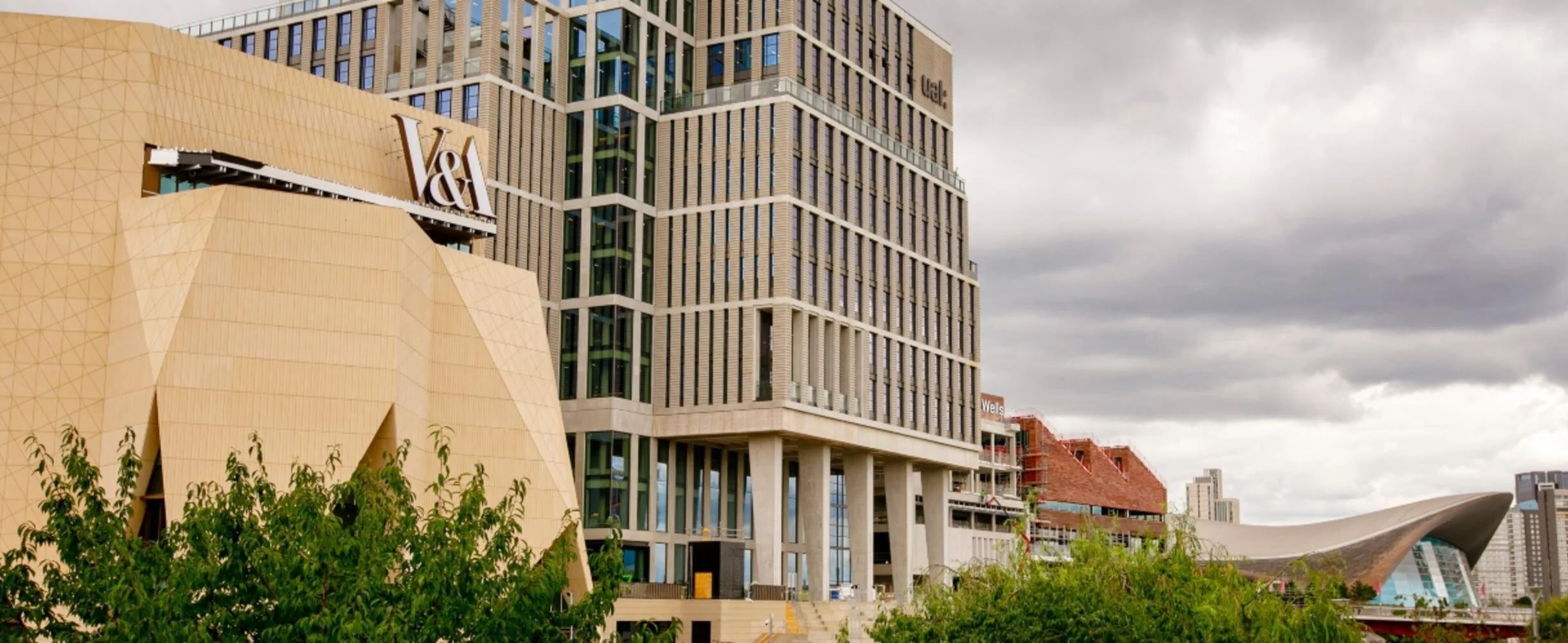
The V&A East lands on a strip of creativity including the UAL and Sadlers Well East
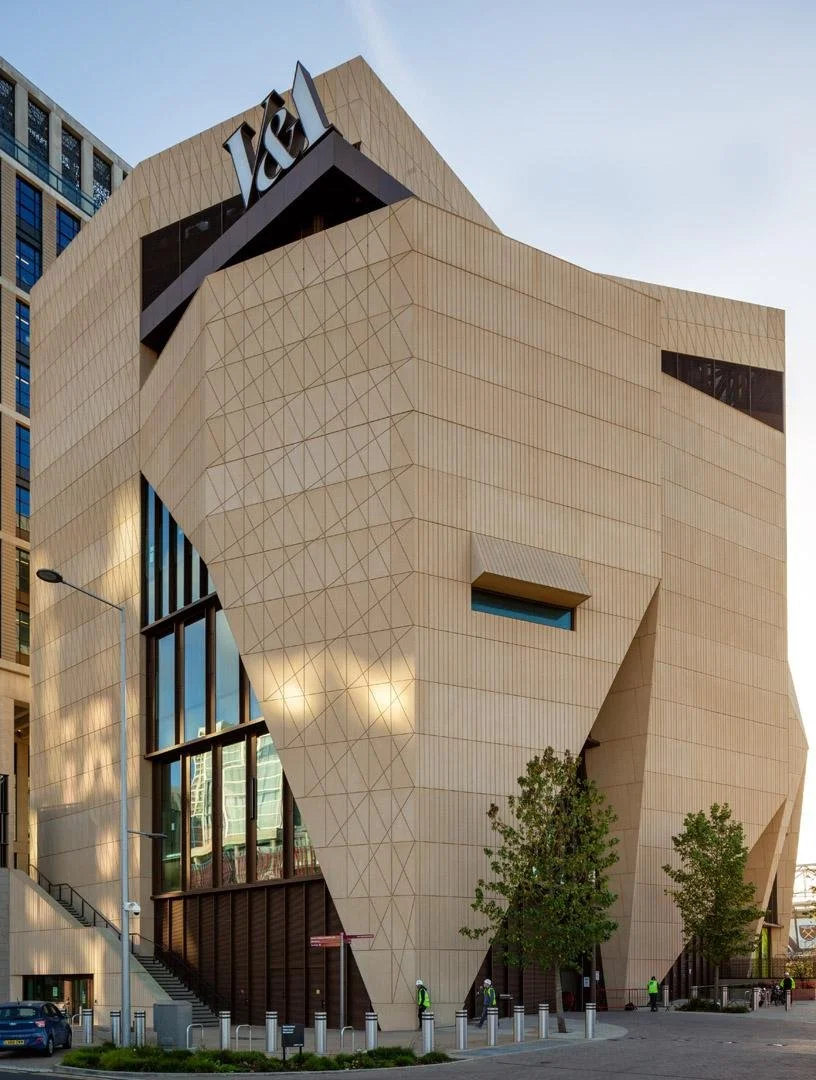
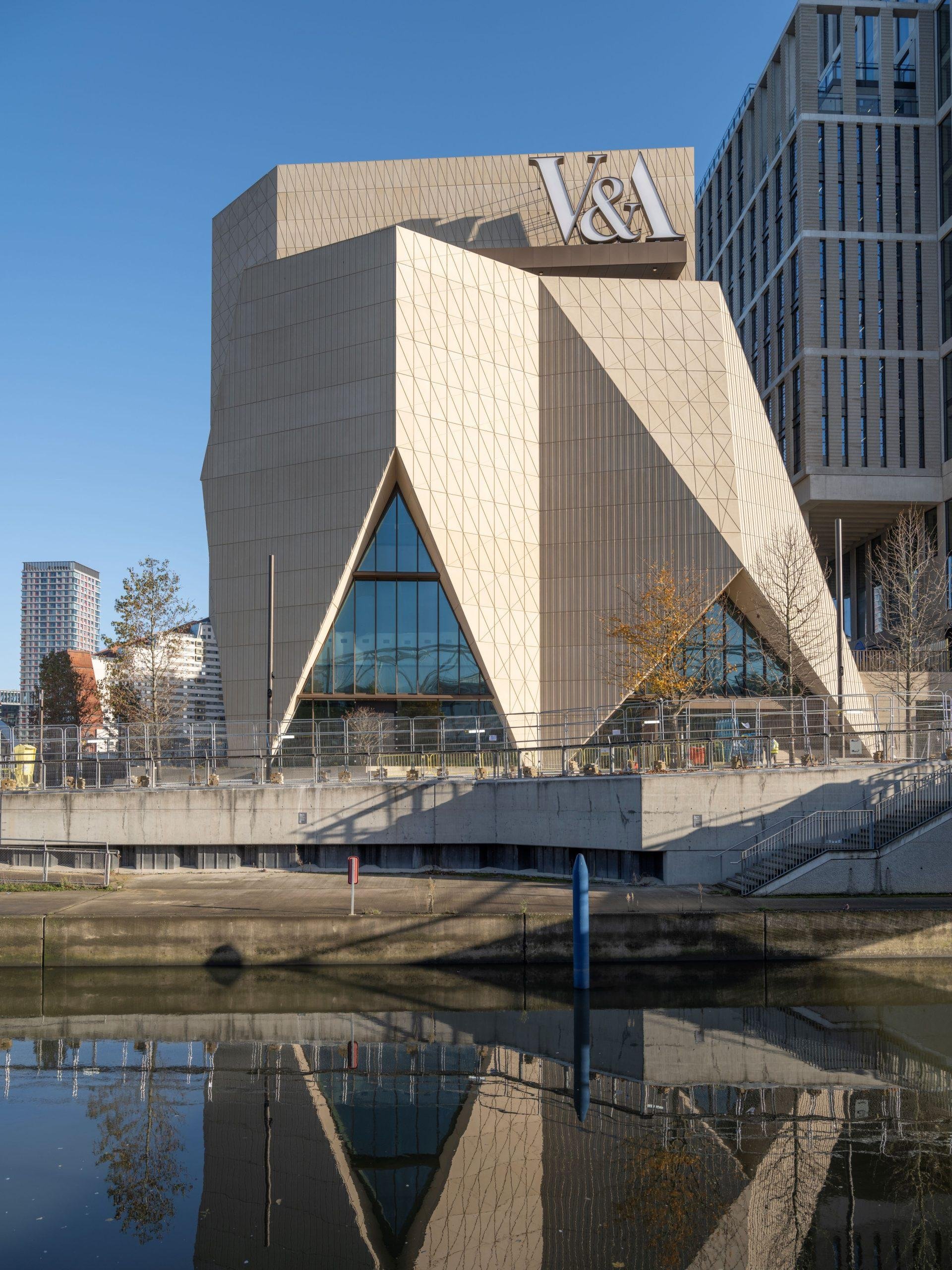
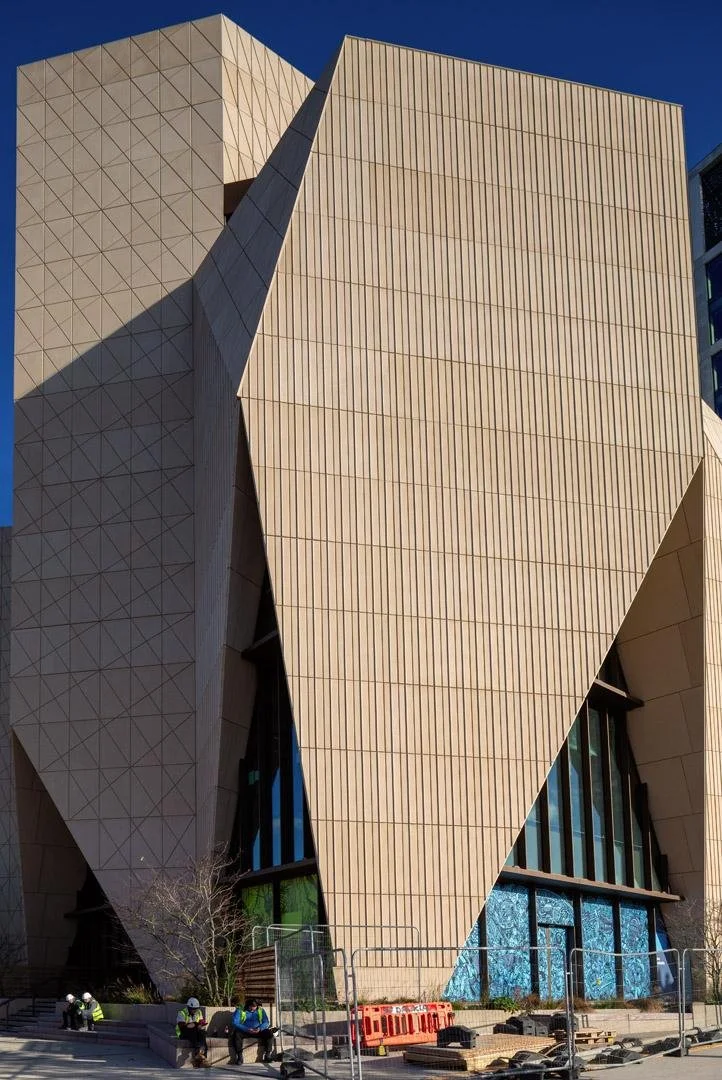
A building shaped like fabric
Designed by O’Donnell + Tuomey, the museum has been linked to a 1954 Balenciaga couture dress. You can see it in the folds of the façade — it reads more like draped cloth than fixed structure, which gives it movement and softness. But that quality doesn’t always land from the outside. Some of the approach routes are tight and constrained, compressing the building into narrow views that flatten its drama and leave it feeling oddly sterile until you’re properly inside.
Space, and what’s missing
Inside, the central idea — Why We Make — is held in just two rooms, smaller than expected. Around them, there’s a noticeable amount of open space, walls and volumes that feel underused. It’s hard not to think about the nearby Storehouse, where vast parts of the collection sit just out of reach behind a waiting list. A museum with so much, showing relatively little, in a building that could comfortably hold more.
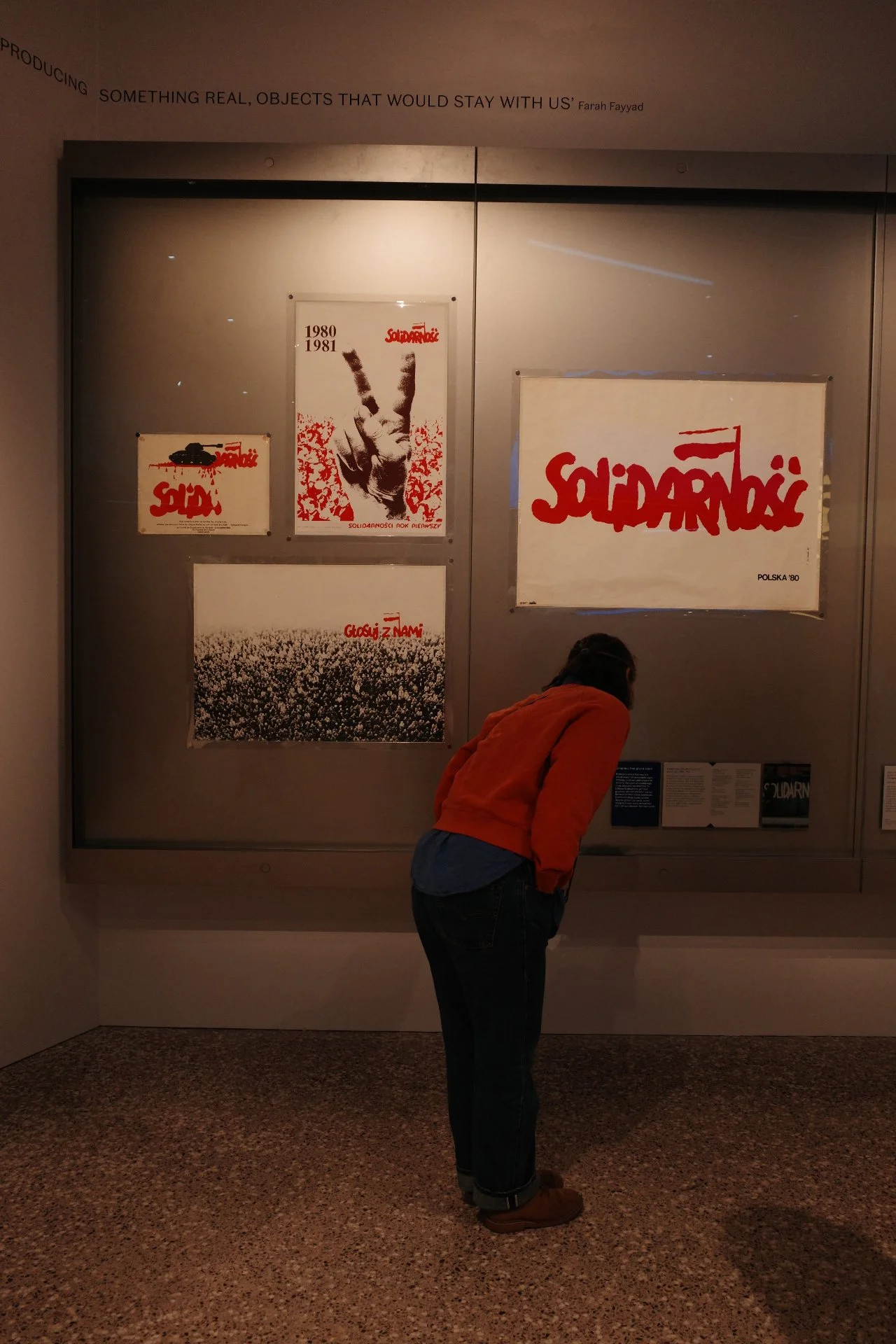
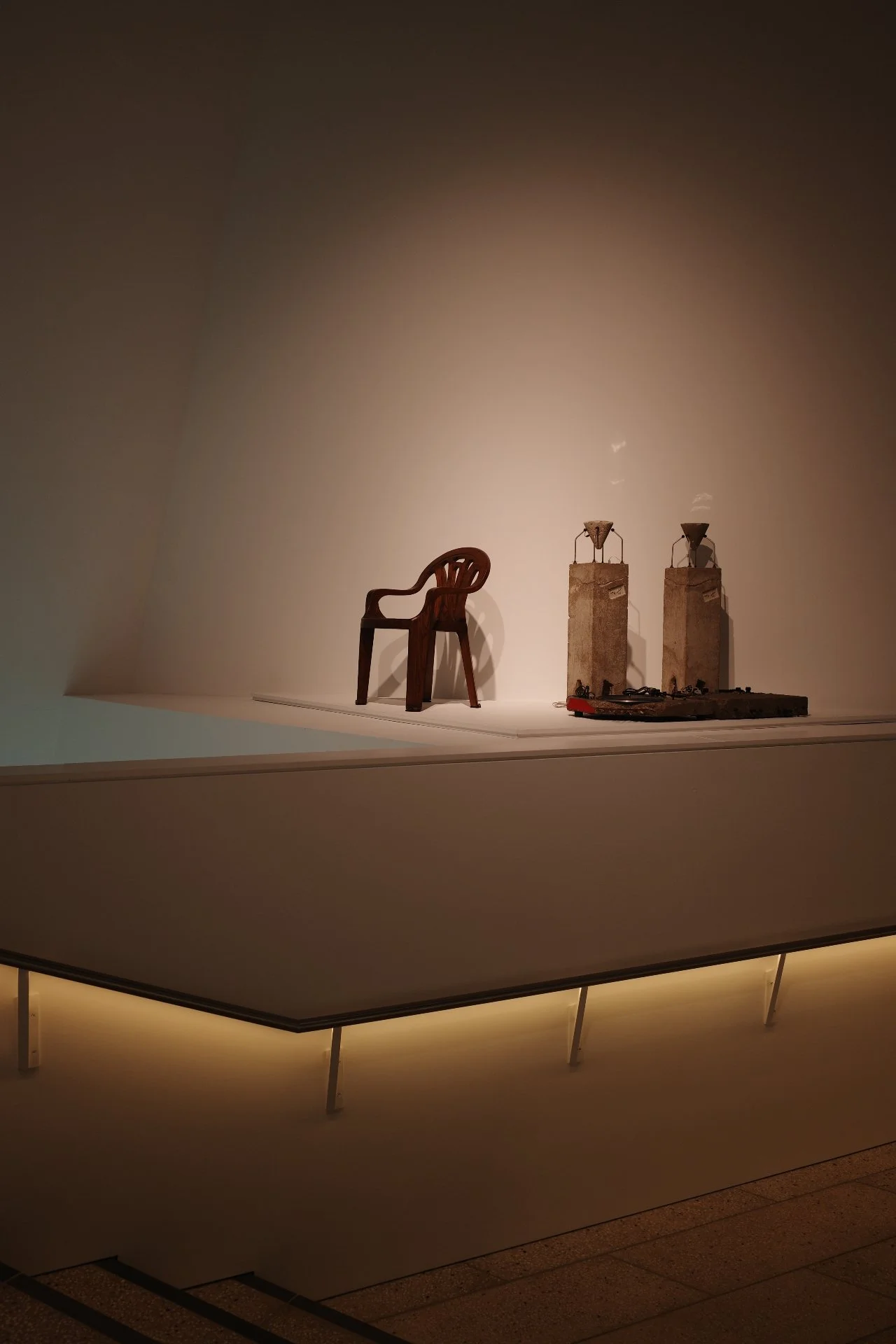
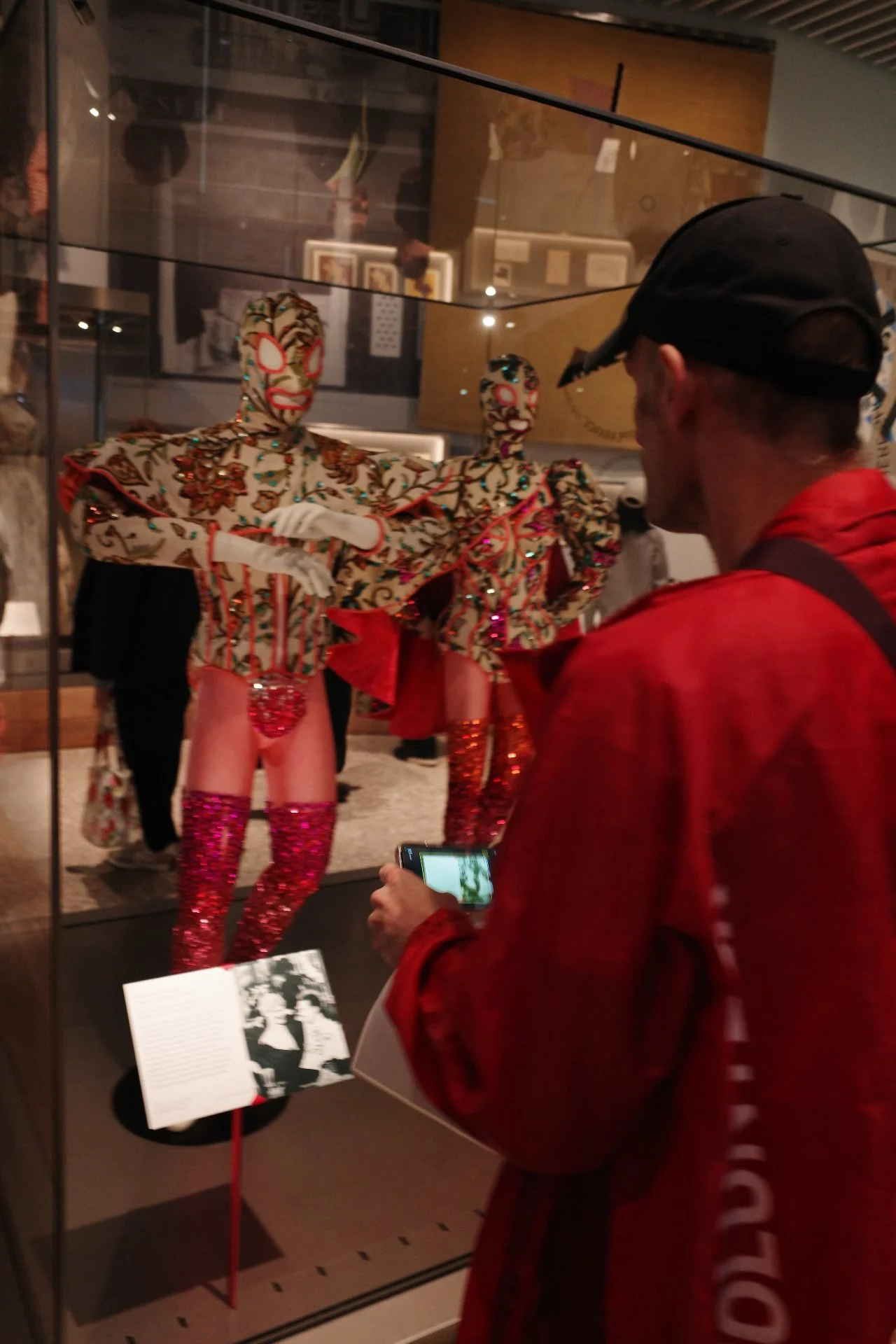
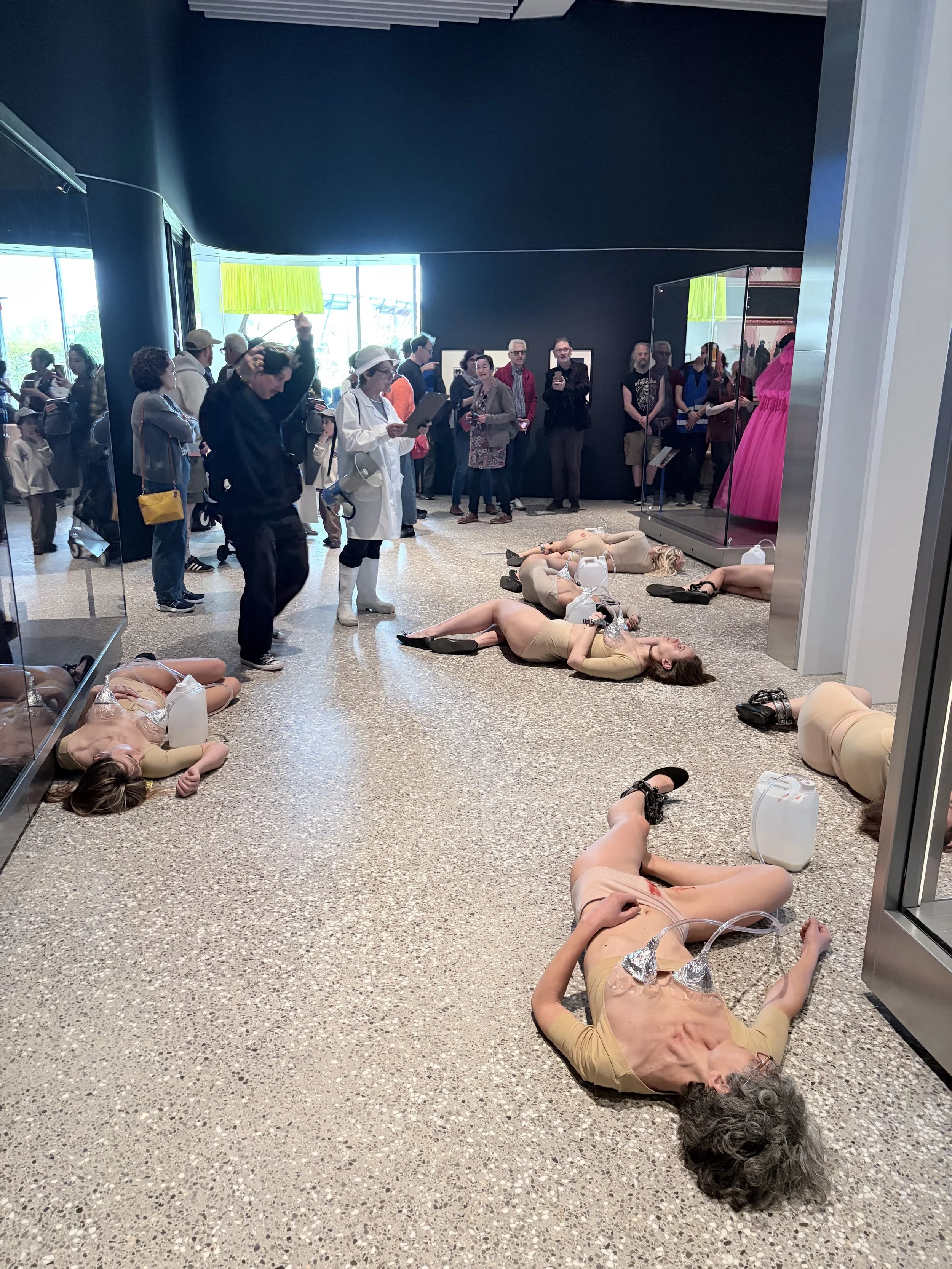
The view wins
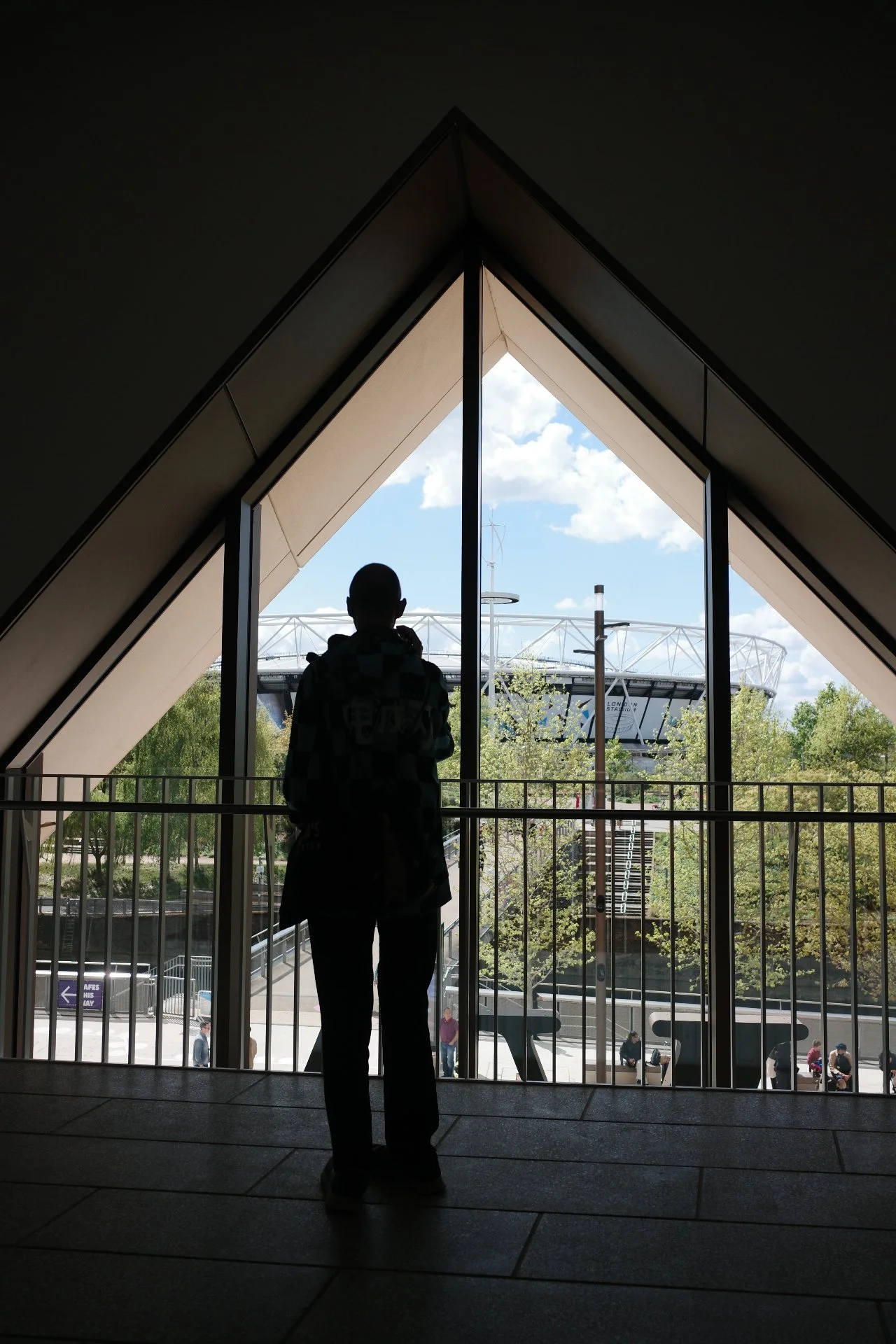
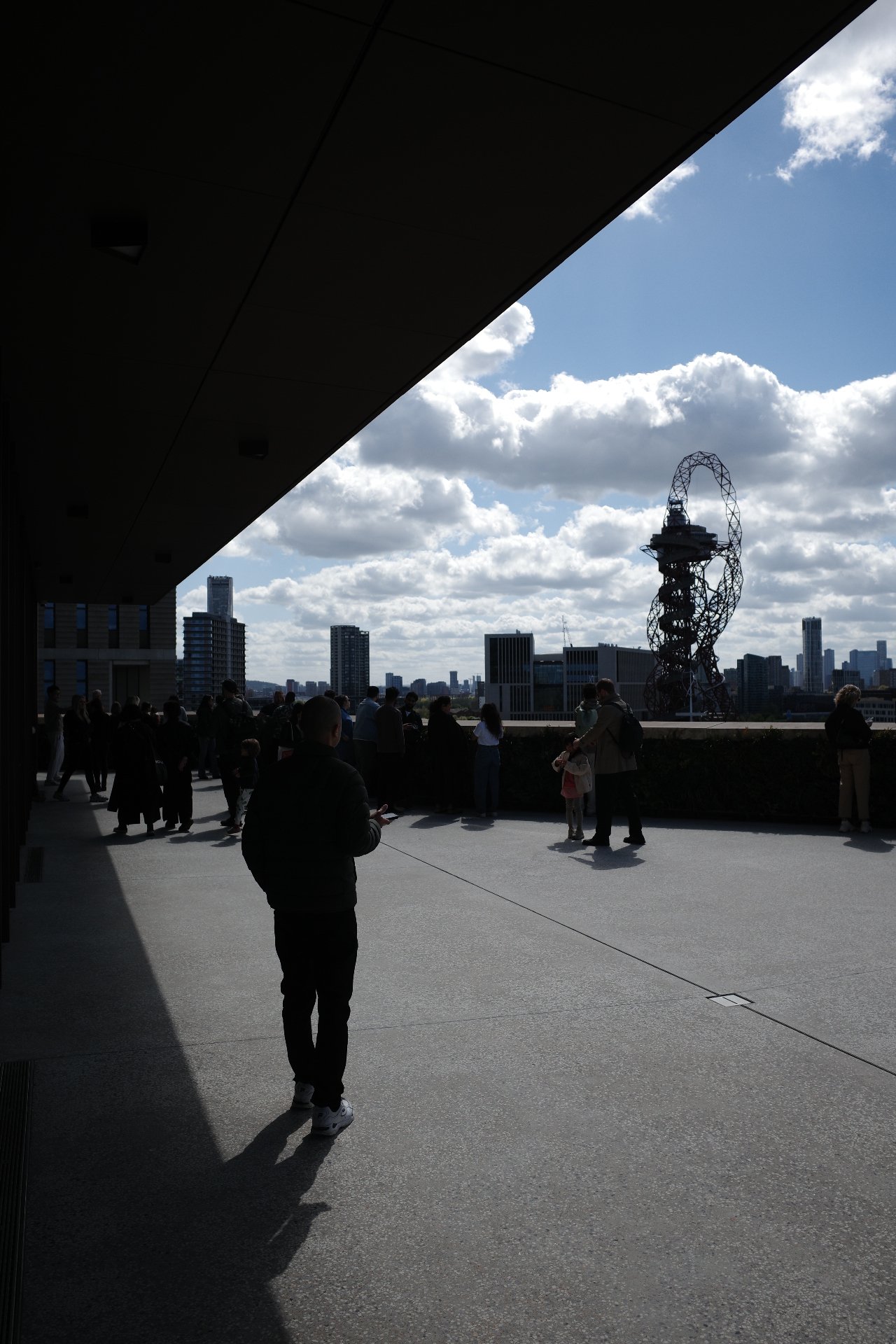
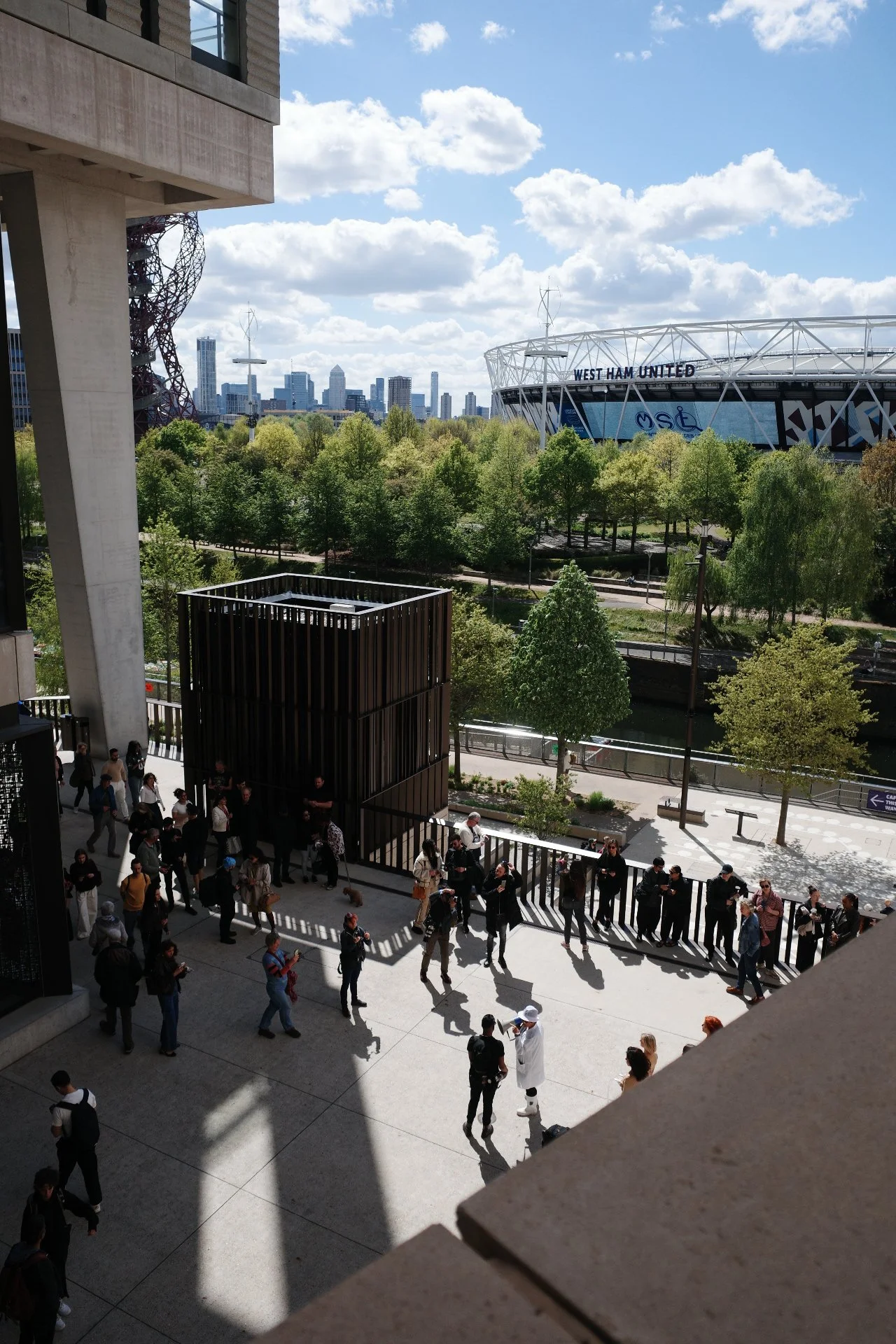
At the top, the mood shifts. The view across East London is genuinely beautiful and has quickly become one of the most popular spots. People sit, linger, spend time — not with objects, but with the city itself. It’s telling. The building works best when it relaxes and lets people find their own rhythm within it.
Early days
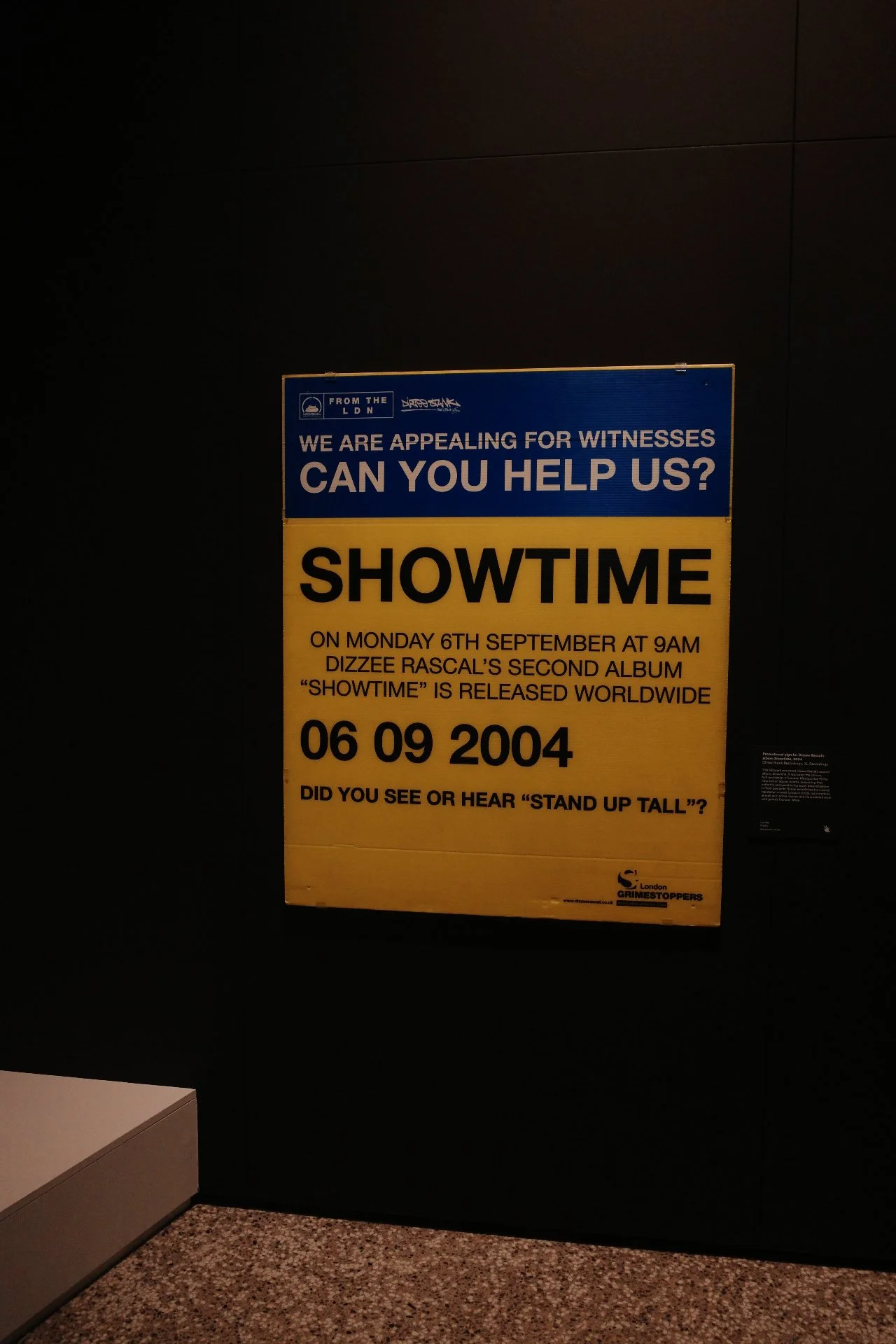
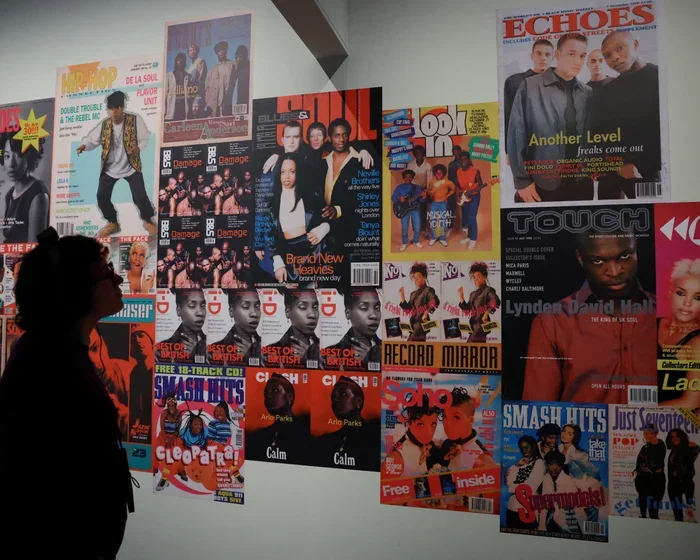
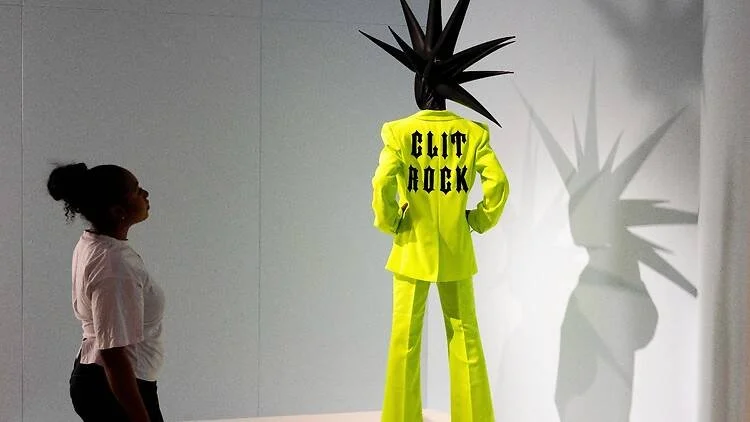
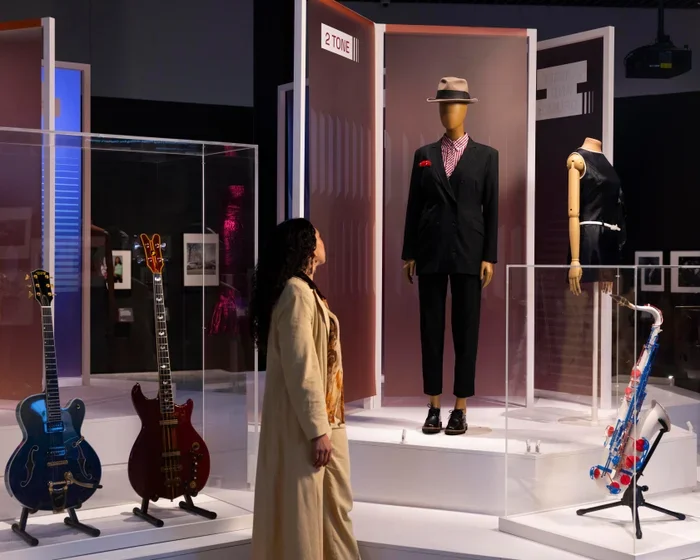
The temporary exhibition, The Music is Black: A British Story, is excellent — generous, confident, and culturally grounded. It shows what happens when the content really takes you on a journey. You hope more of that richness, and more of the original V&A’s sense of discovery and density, makes its way here as things settle. This is the sixth major site — it shouldn’t feel like a work in progress for too long.
What does the café tell us now?
The café remains a good measure of everything, just as Saatchi & Saatchi once understood. There’s no Diet Coke — instead, a £4.50 alternative cola that’s ethically sourced and thoughtfully positioned. It’s doing all the right things, and yet it’s not quite as satisfying. Not worse, exactly. Just different. Slightly over-considered, definitely more expensive. A Diet Coke at the original V&A, in the members room in the same week, was a very reasonable £2.50 and with a more comfortable seat.
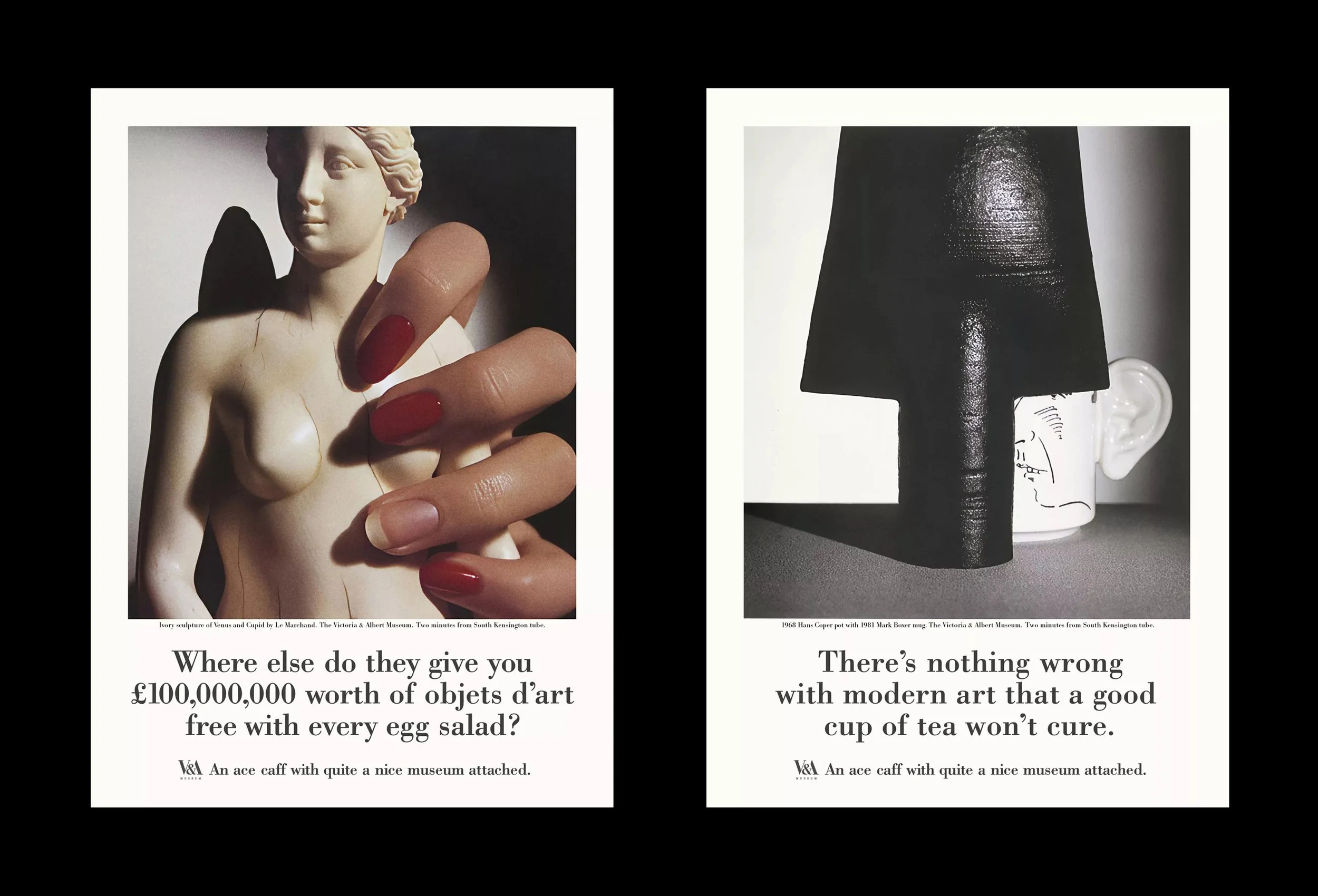
Saatchi & Saatchi ads for the V&A in 1988, featuring the infamous line, “An ace caff with quite a nice museum attached.“
Let people in
What’s happening here is a shift in how the museum sees its role. Less about presenting a fixed view, more about opening things up. But a working museum needs to leave space for people to interpret, to project, to disagree. At times, it still feels a little too guided, a little too certain of how things should be read.
“A working museum needs to leave space for people to interpret, to project, to disagree”
What Saatchi & Saatchi began with a line of copy, V&A East is now trying to carry through in built form. It’s close. It just needs to show a little more, loosen slightly — and occasionally give people what they actually want. Diet Coke included.
vam.ac.uk/east
vam.ac.uk/exhibitions/the-music-is-black-a-british-story
collections.vam.ac.uk/context/organisation/A7931/saatchi-saatchi
odonnell-tuomey.ie/