

Geography is not just a location decision. It’s a brand strategy.
Too often, expansion is treated as a commercial exercise. Where is there demand? Where is there footfall? Where are the right customers, partners, landlords, investors or tax conditions? All important questions, but not the only ones. Because where a brand chooses to appear changes what people believe about it.
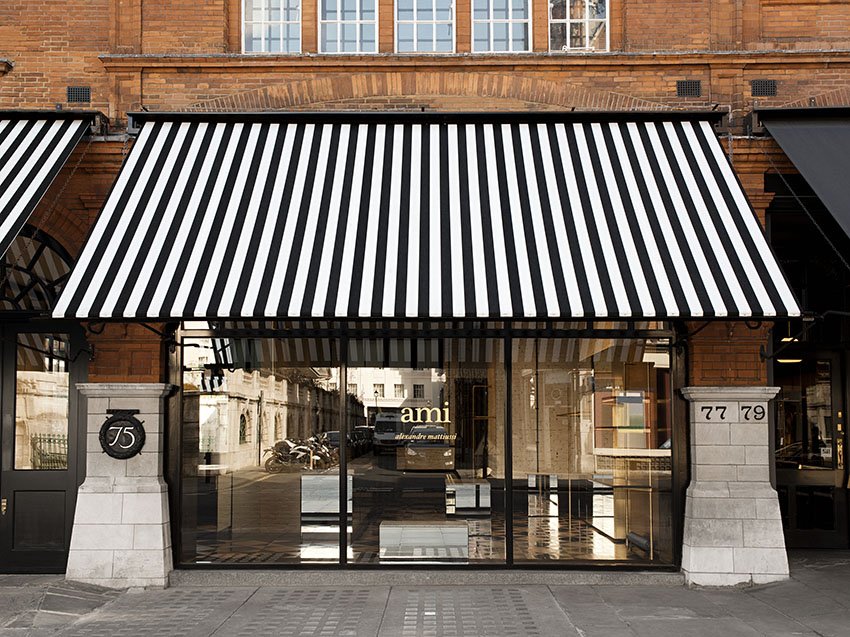
Ami Duke Street - Mayfair, London
A recent example is AMI. The brand quietly closed its Mayfair store and opened in Chelsea; a move of only a few miles, but one that makes a lot more sense. Mayfair is extreme luxury. Chelsea is everyday wealth. Mayfair is destination, status and spectacle. Chelsea is lifestyle, routine and proximity. It is where a certain customer actually lives, shops, walks, meets friends, gets coffee and builds brands into their everyday life.
That distinction is important. Expansion does not always mean leaping into another major city. Sometimes the better move is local - but optimised. Sézane in Notting Hill and nearby Marylebone. Aesop adapting itself street by street. Lina Stores moving from Soho into King’s Cross, Marylebone, Clapham and beyond. Each one is not simply opening “more stores”. It is creating different versions of itself for different rhythms of the same city, albeit one with many like London.
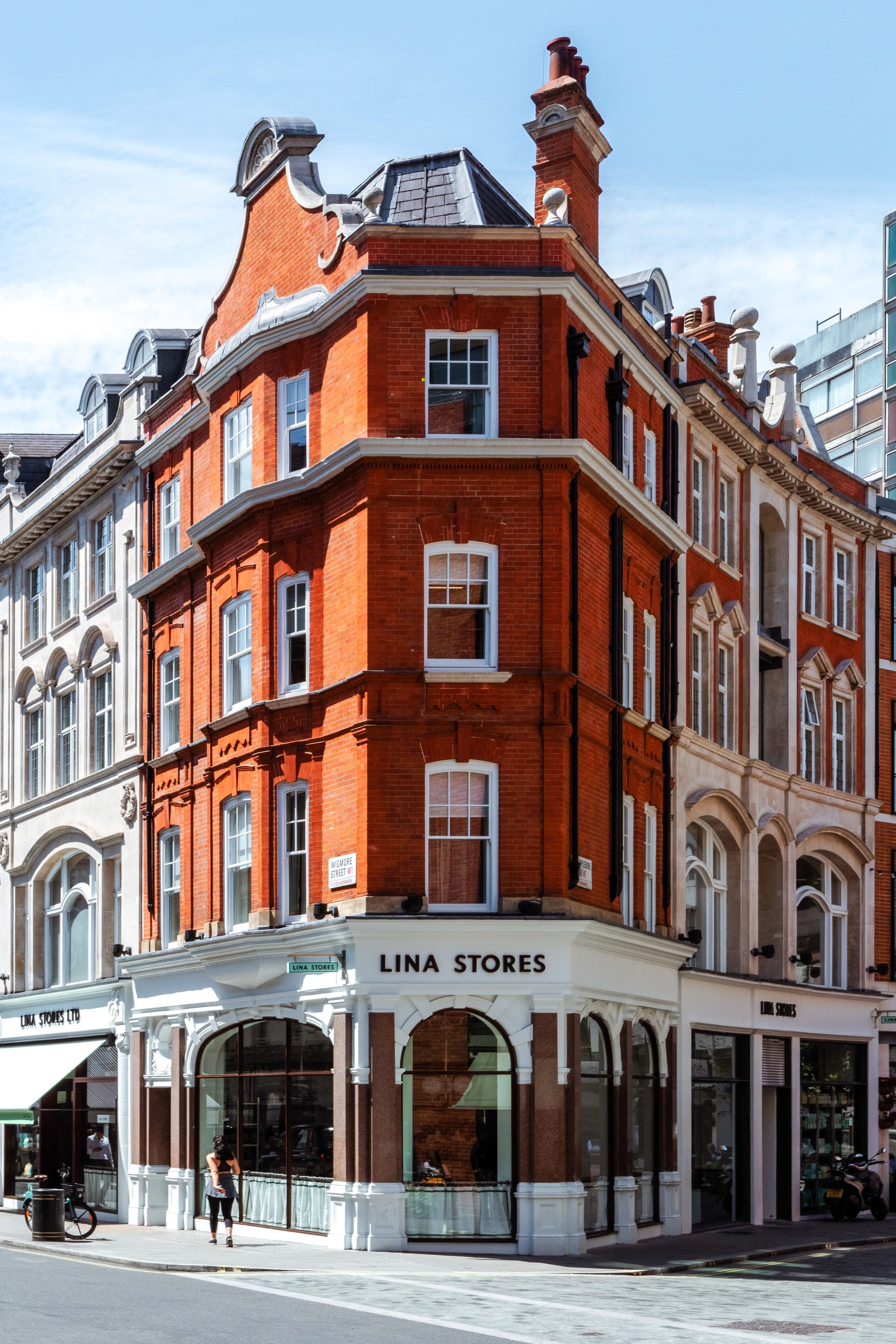
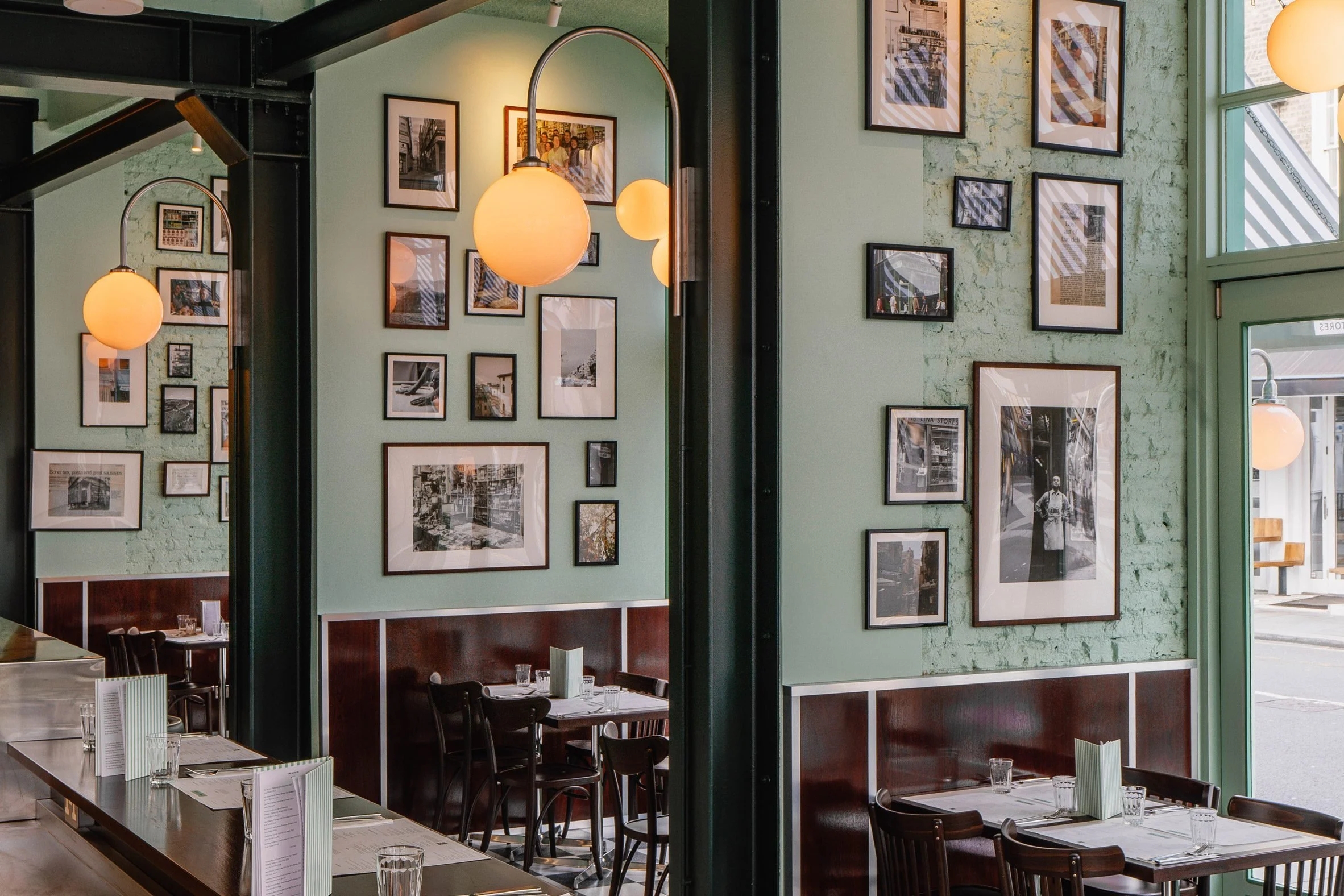
A clear geographical strategy depends on a clear understanding of the consumer. Not just who they are on a segmentation slide, but how they move. Where they spend time. What streets they trust. Which areas give a brand permission. Which locations make it feel more desirable, more useful, more relevant, or more confused.
On a recent research trip to Malta, we were struck by the abundance of British and international brands: Matalan, Next, M&S, Zara, Bershka. The usual global retail shorthand was everywhere, but the local brand landscape felt much quieter. It was a reminder that expansion is never neutral. A brand arriving in a place does not just sell to a market; it contributes to the visual, commercial and cultural texture of that place.
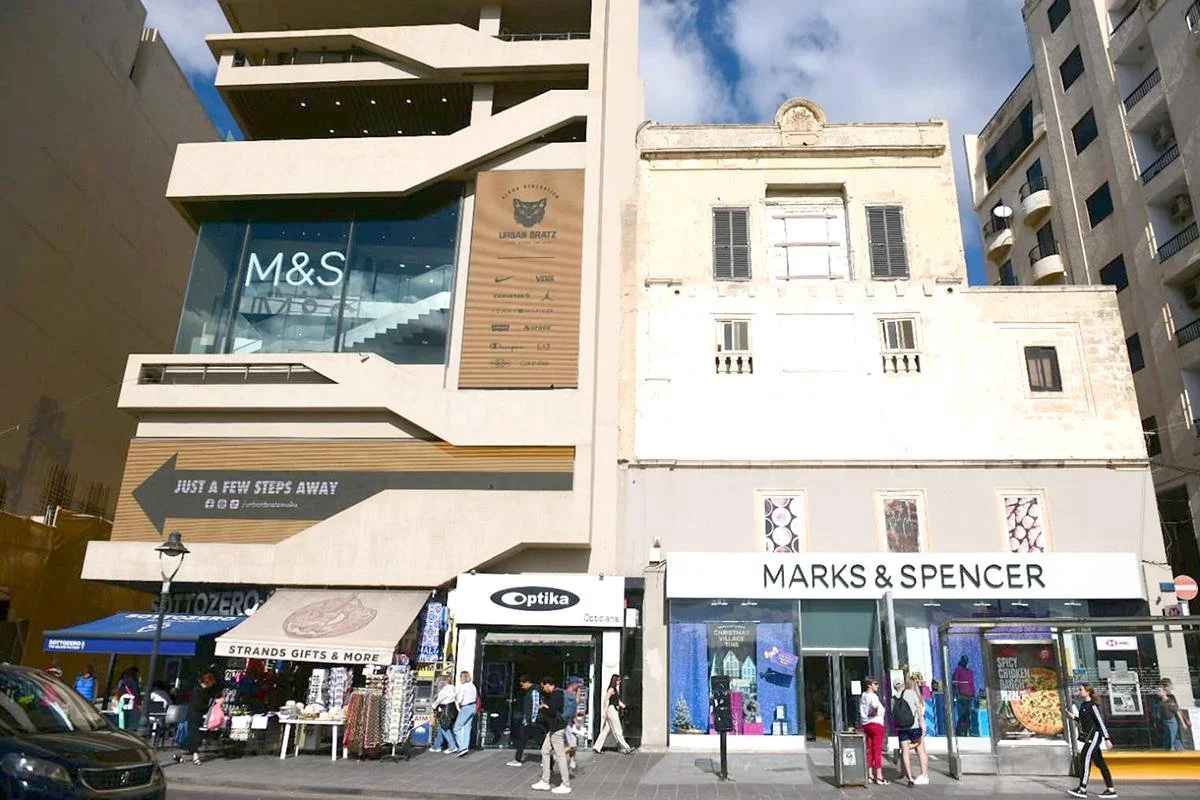
M&S Store - Sliema, Malta
The history of branding is full of well-documented translation mistakes, but choosing where to go next is far more layered than putting a website through AI translation and hoping the meaning travels. Geography carries class codes, cultural memory, habits, weather, architecture, aspiration and resistance. A brand can be technically present in a market and still feel entirely out of place.
And then there is the internet. The world is now your shopfront, but it is also your competition. Consumers can discover you from anywhere, compare you with everyone and judge you against brands that may never open a store on the same street. Physical expansion therefore has to work harder. It has to mean something. It has to make the brand more legible, not just more available.

Ubud, Bali - Indonesia
This is especially true in hospitality, where place does even more of the brand work. A hotel in Ibiza and a hotel in Paris may share the same level of service, design ambition and commercial expectation, but they cannot tell the same story. Ibiza gives permission for release, hedonism, informality, music, late nights and sea air. Paris carries a different mythology: elegance, heritage, fashion, ritual, romance, discretion. The guest arrives with different expectations before they have even stepped through the door.
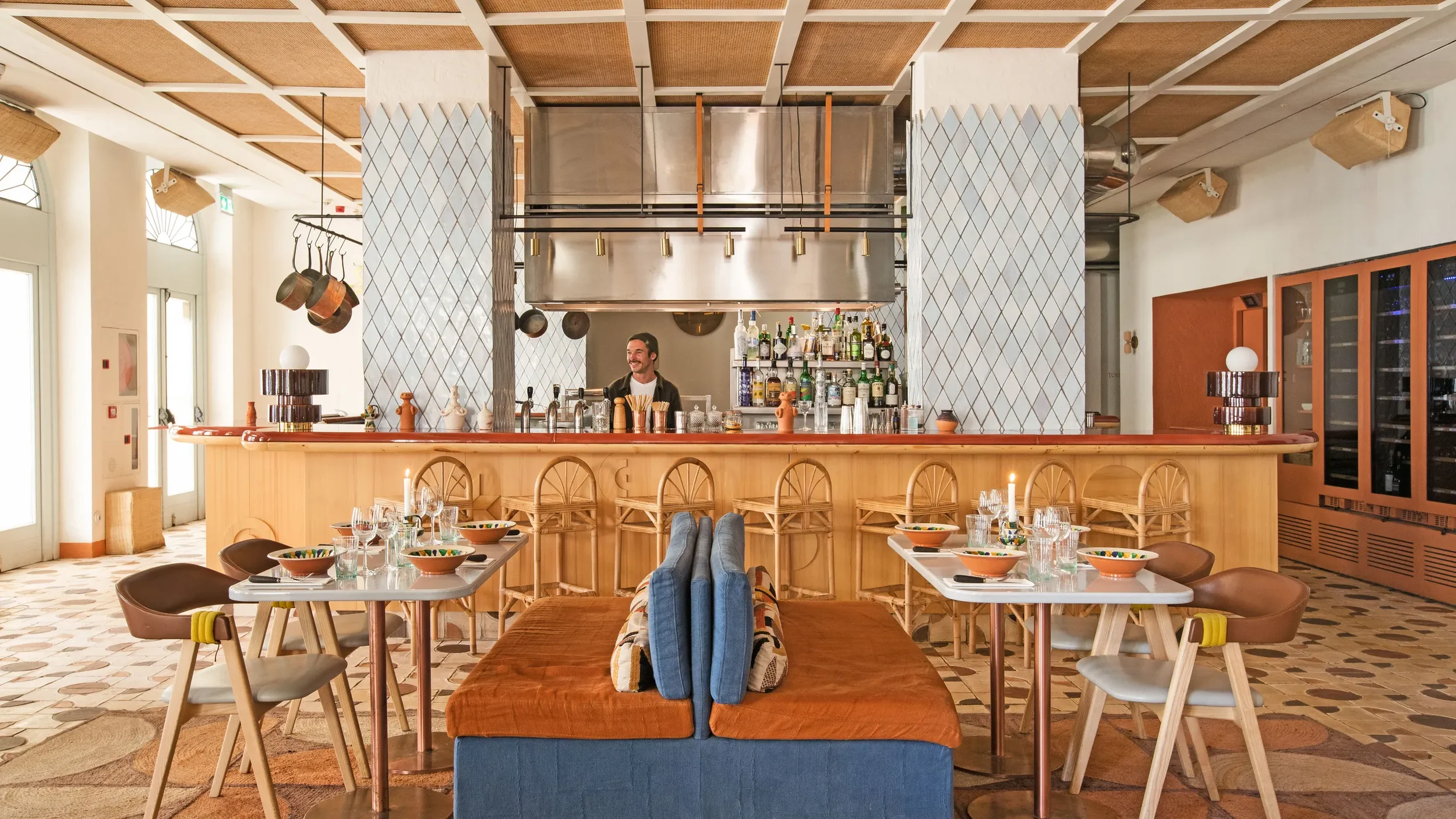
Montesol Experimental Hotel - Ibiza, Spain
The strongest hospitality brands understand this. They do not copy and paste a concept from one city to another. They translate the spirit of the brand through the emotional logic of the place, we call it going local. The restaurant, the scent, the lighting, the uniforms, the tone of service, the breakfast, the pool, the late-night energy; all of it has to feel inevitable there, not imported.
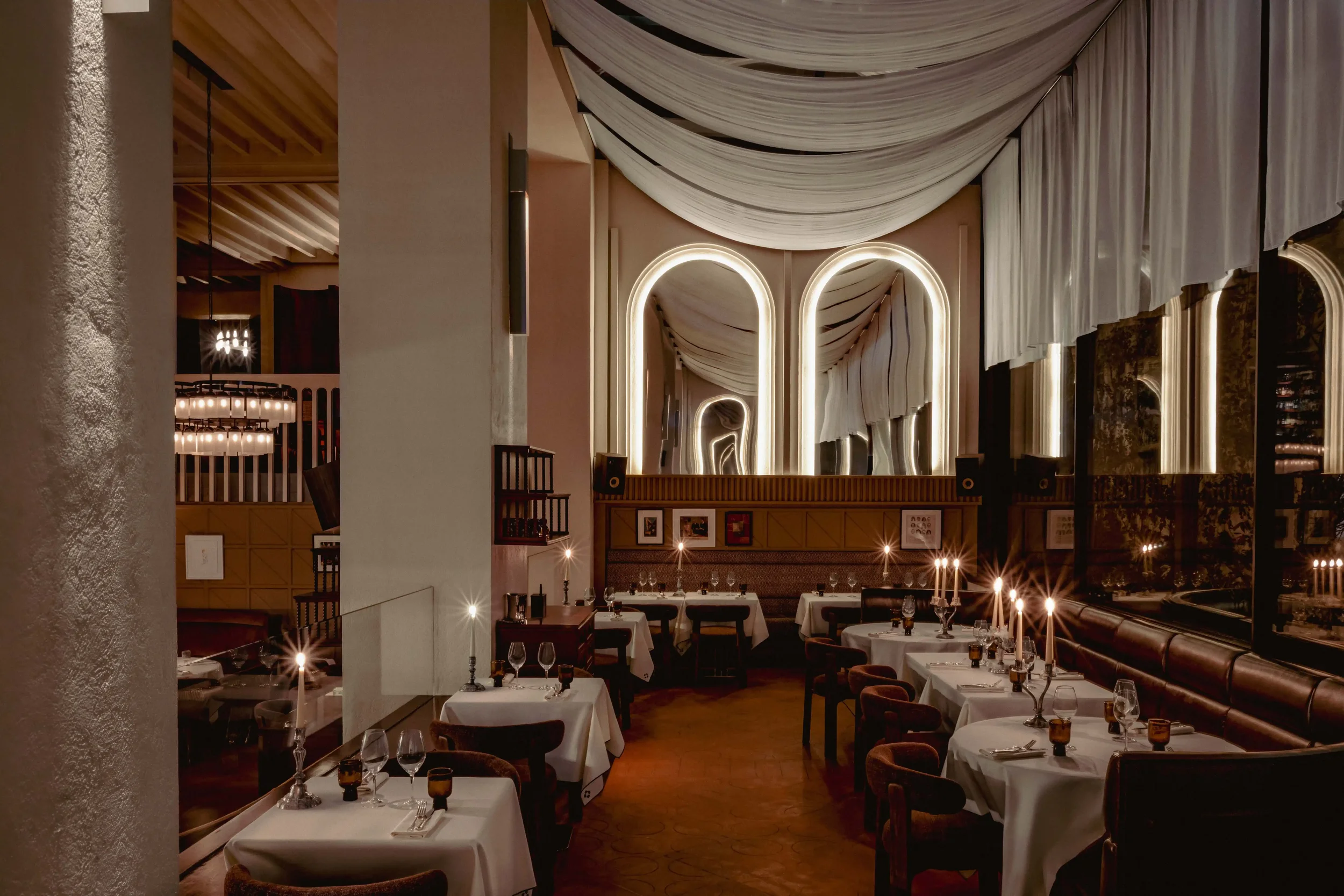
Experimental Hotel Marais - Paris, France
The strongest brands cannot afford to just ask, “Where can we grow?” They ask, “What does this place do to our story?” Does it sharpen the brand or dilute it? Does it bring us closer to the right people, or just closer to money? Does it help us fit into their world and their ilk, or are we simply chasing visibility?
Growth is not just about being in more places. It is about knowing where you belong, where you can stretch, and where your presence will make the brand feel more itself.