A lesson in authenticity - Orient Express
Bringing back an icon isn’t about looking backwards. It’s about proving that its relevance endures.
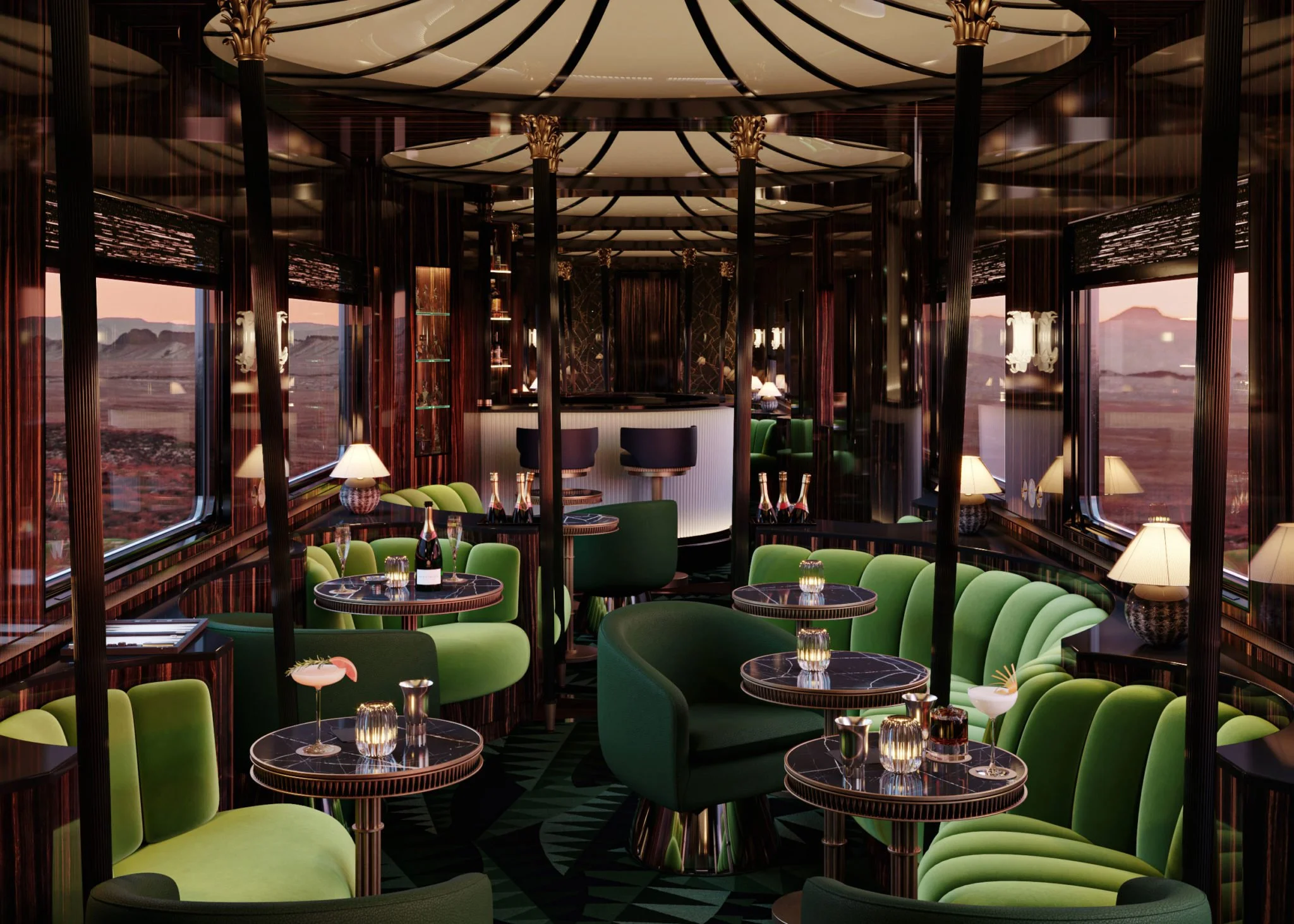
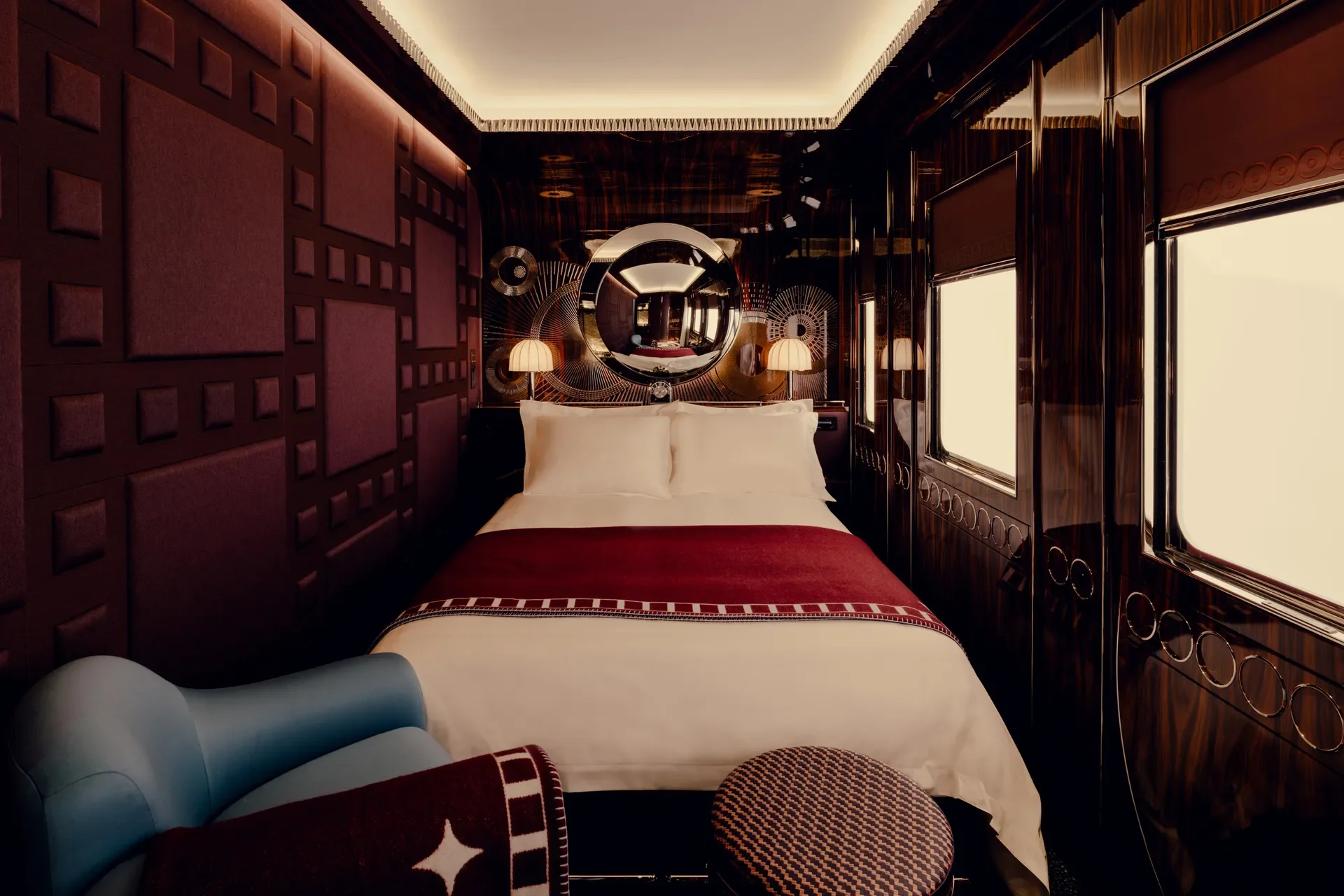
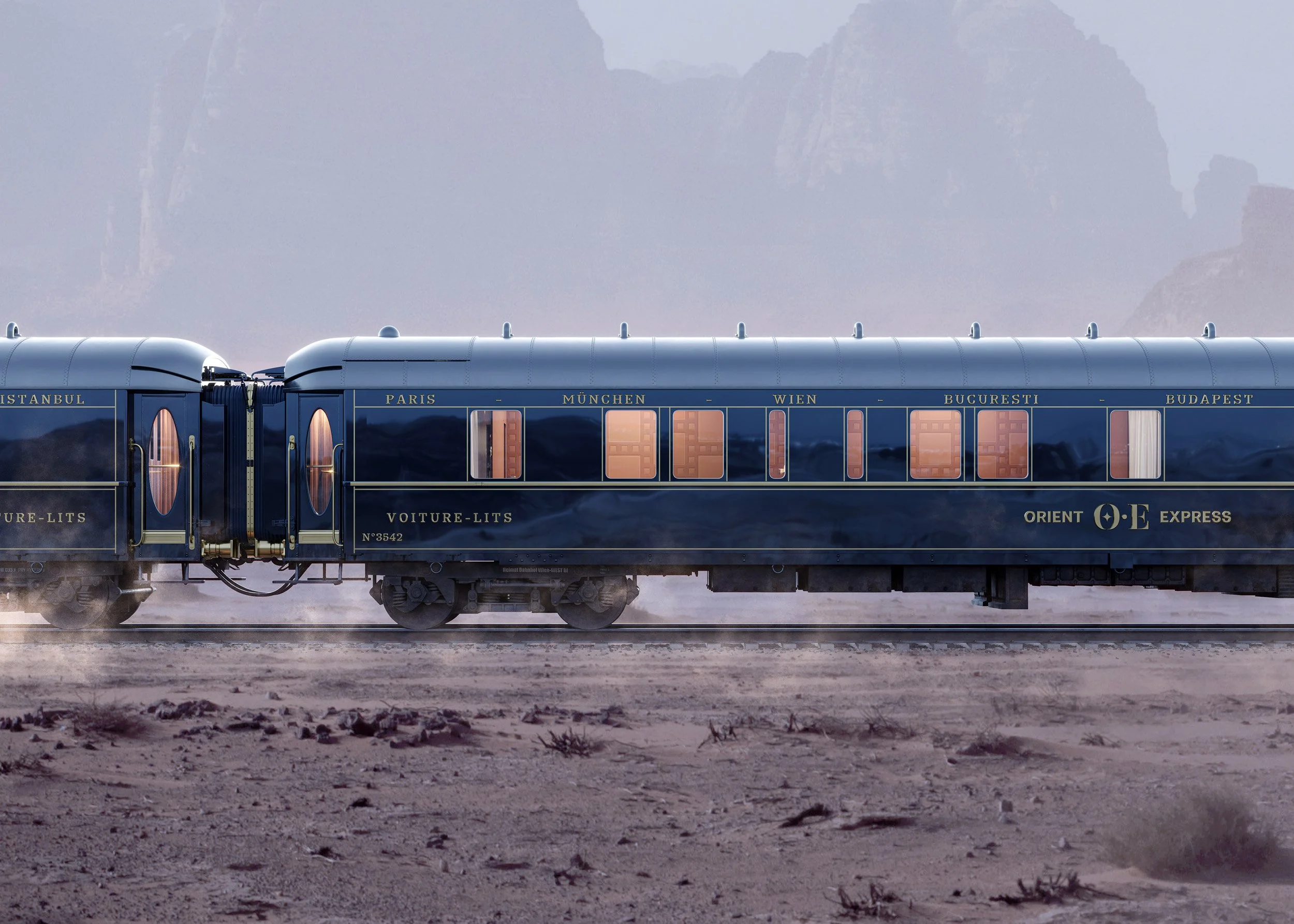
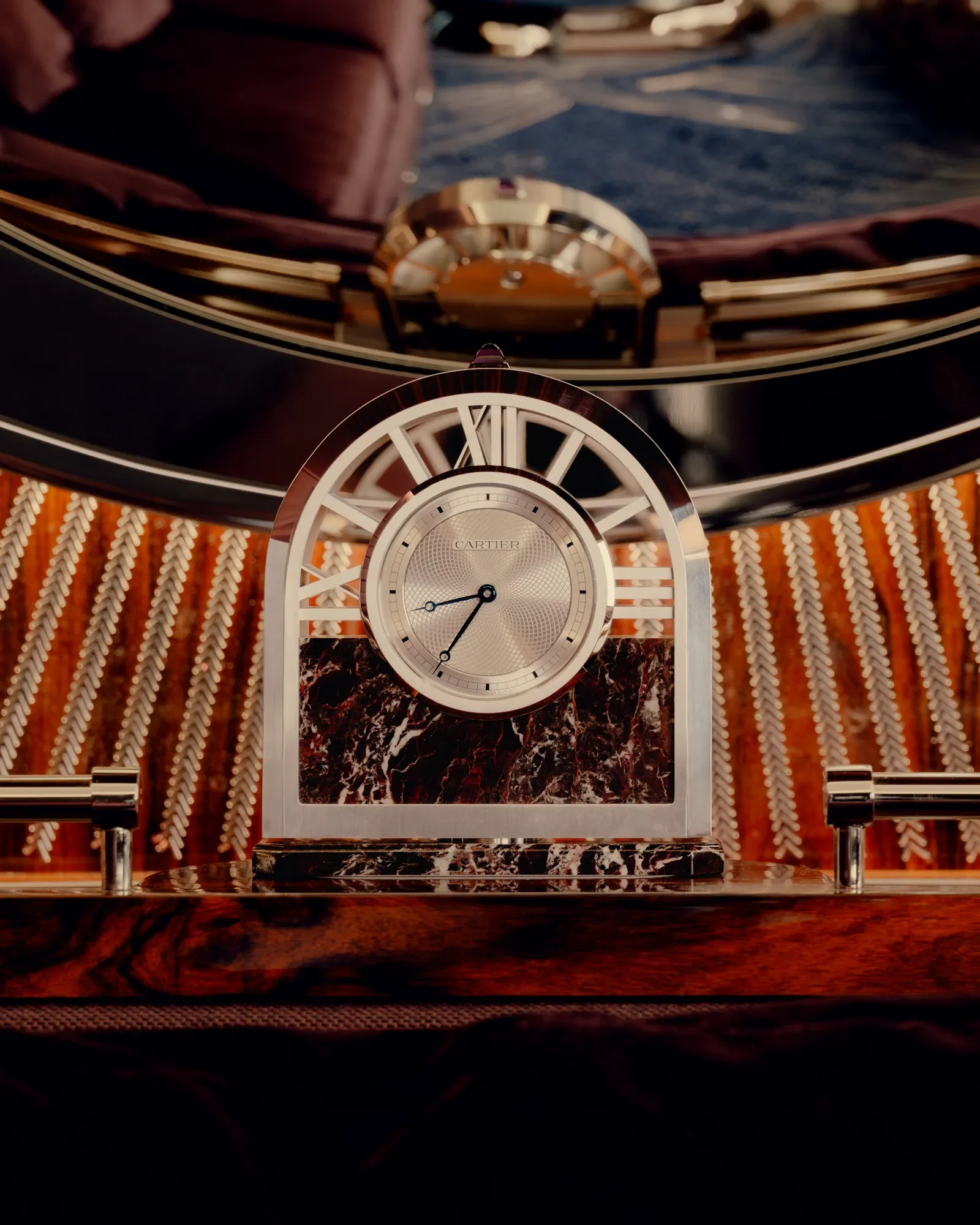
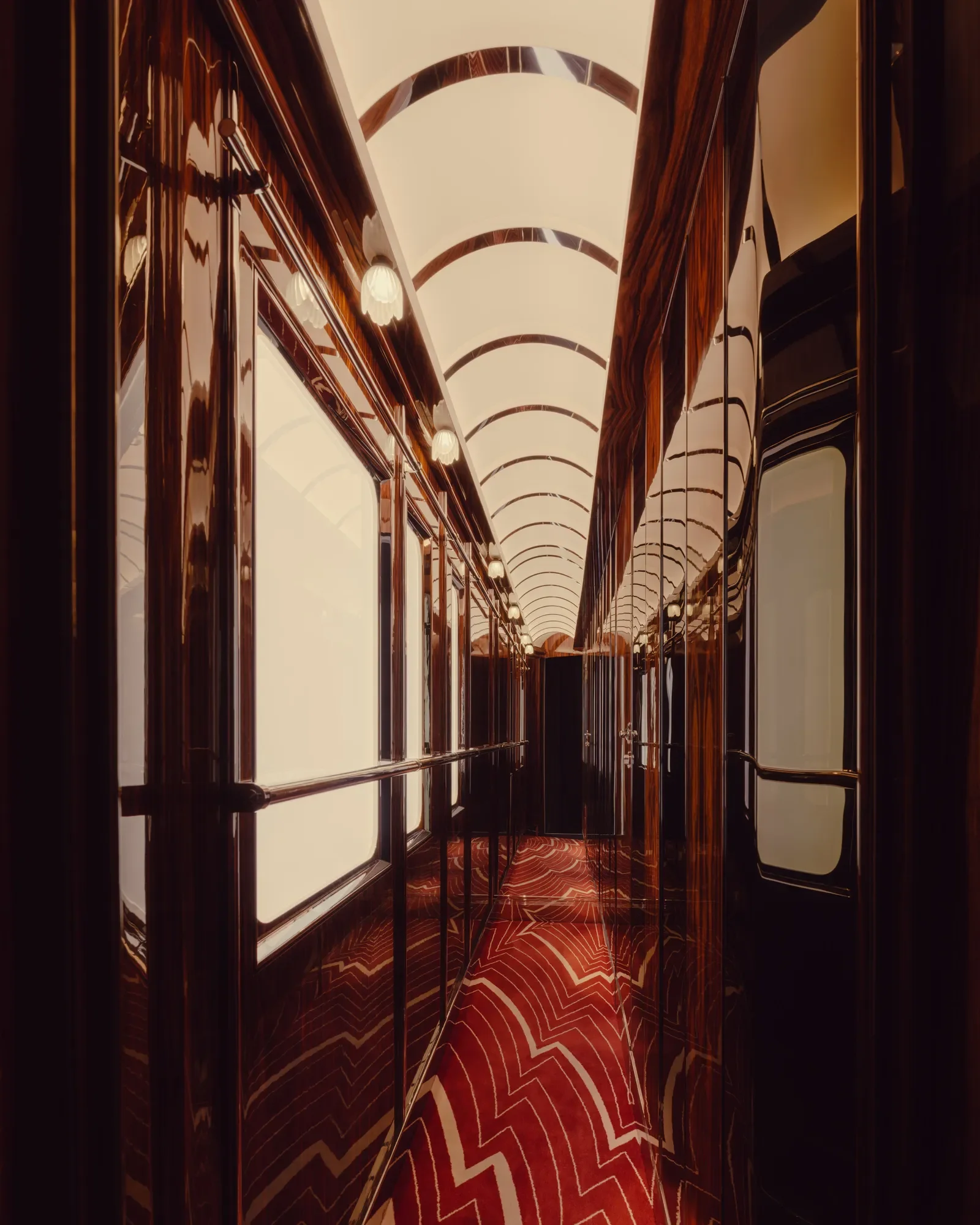
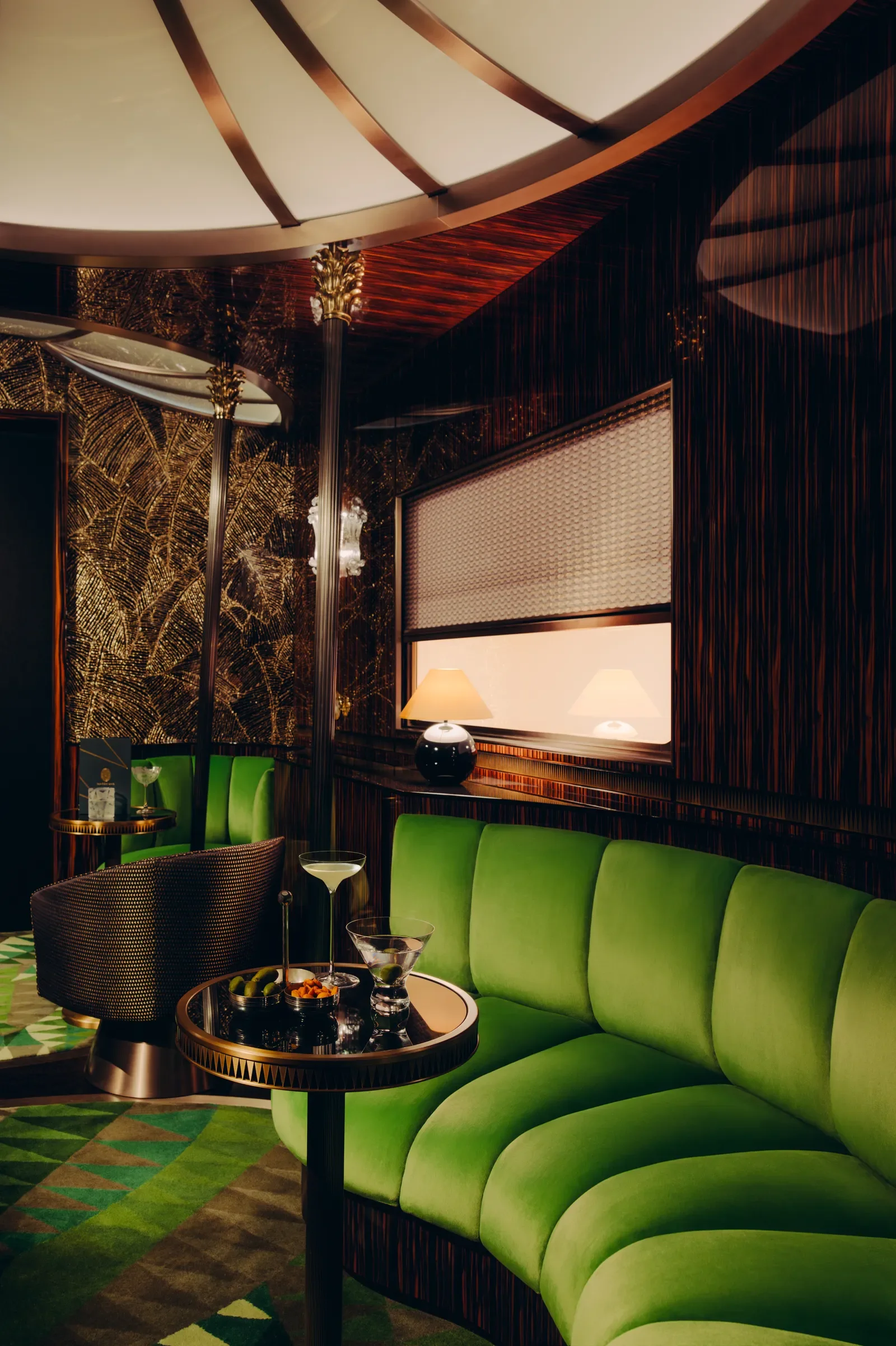
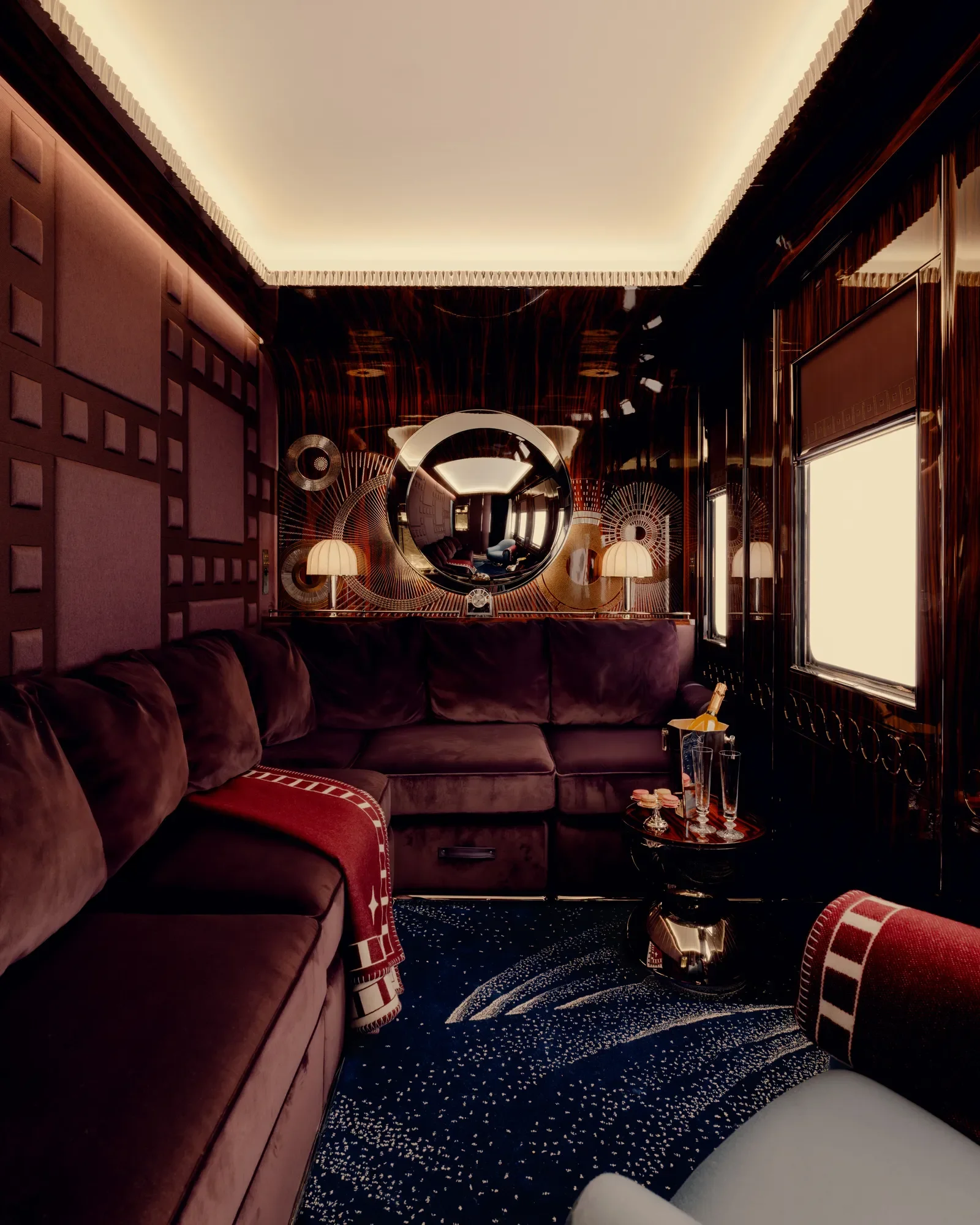
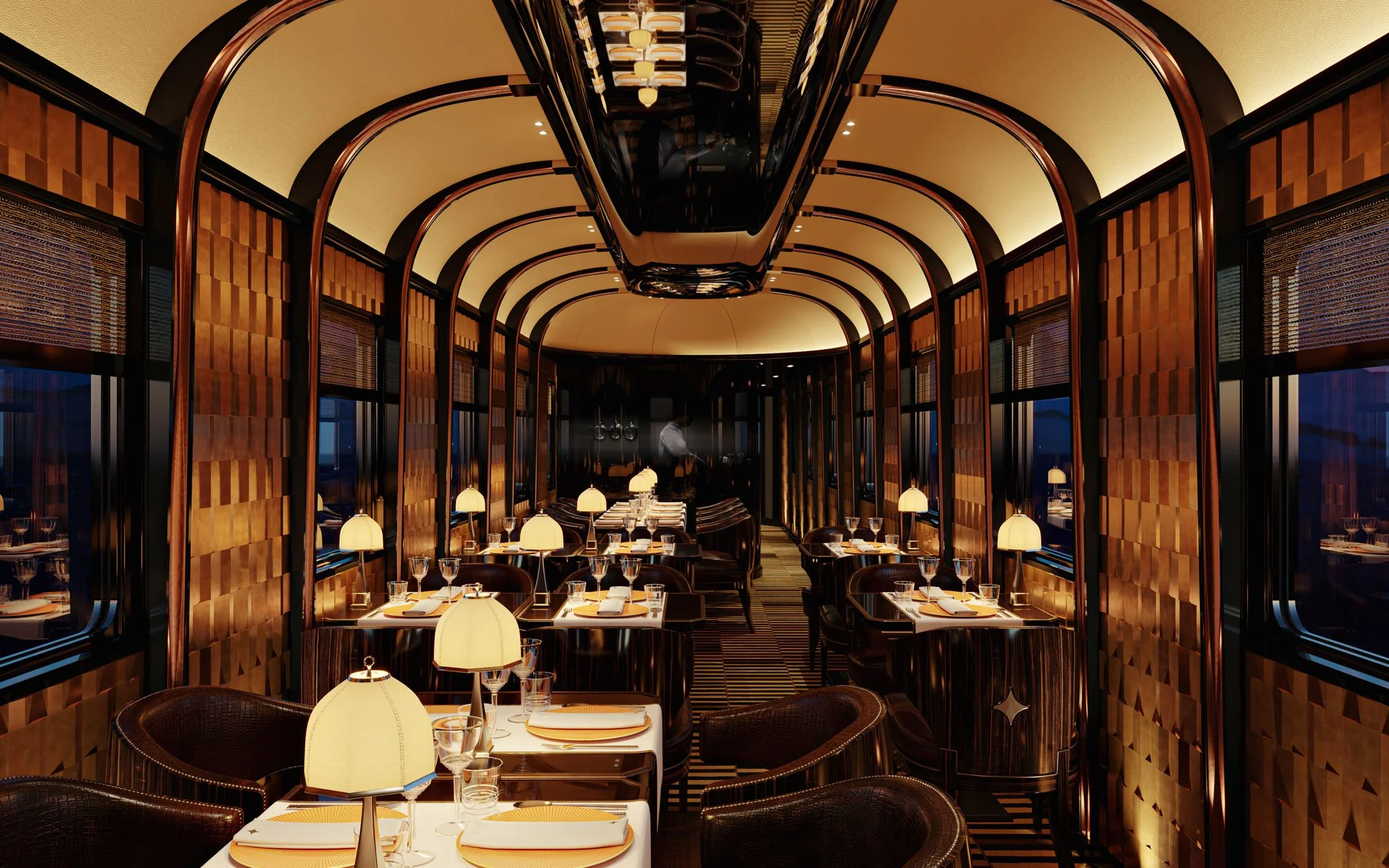
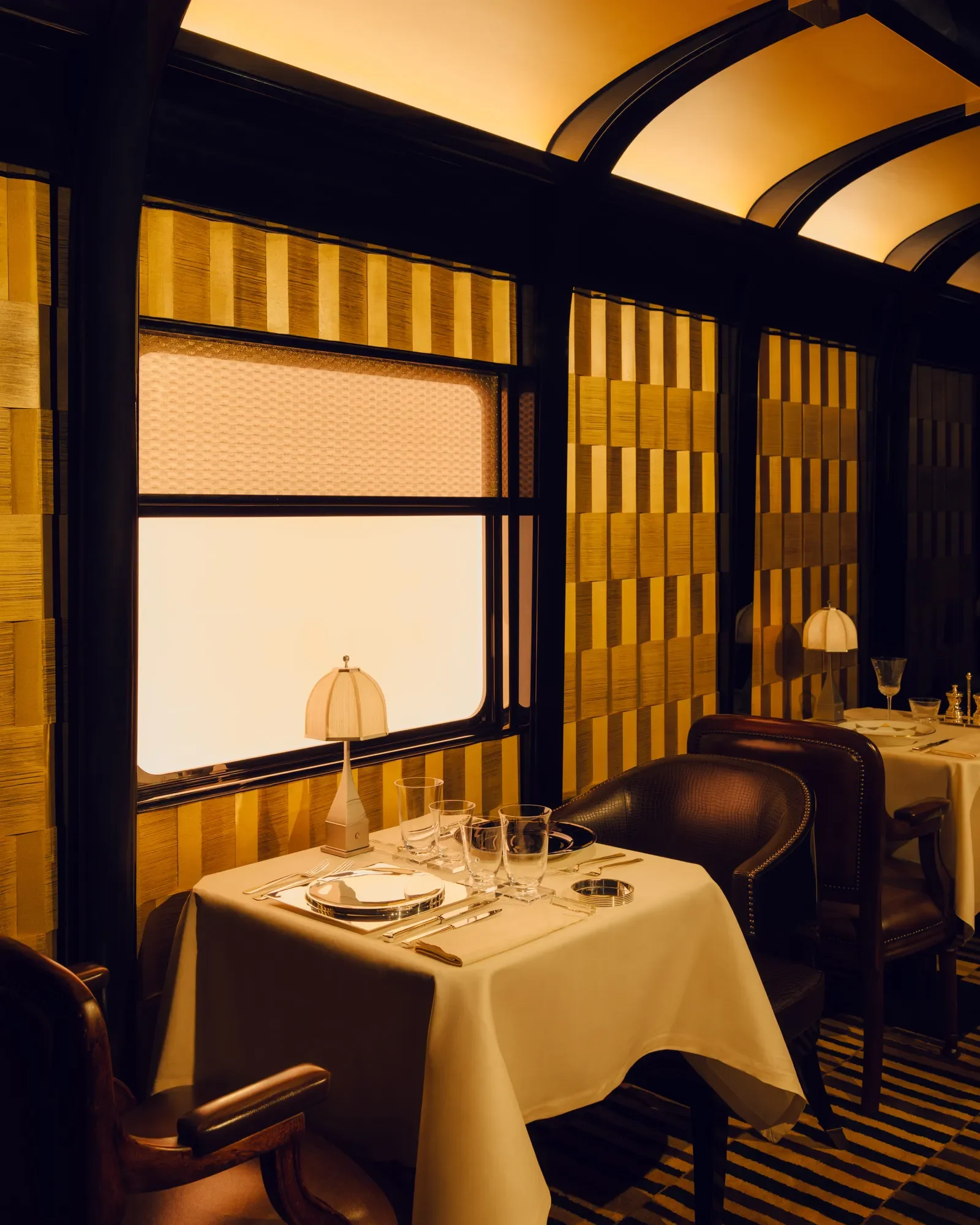
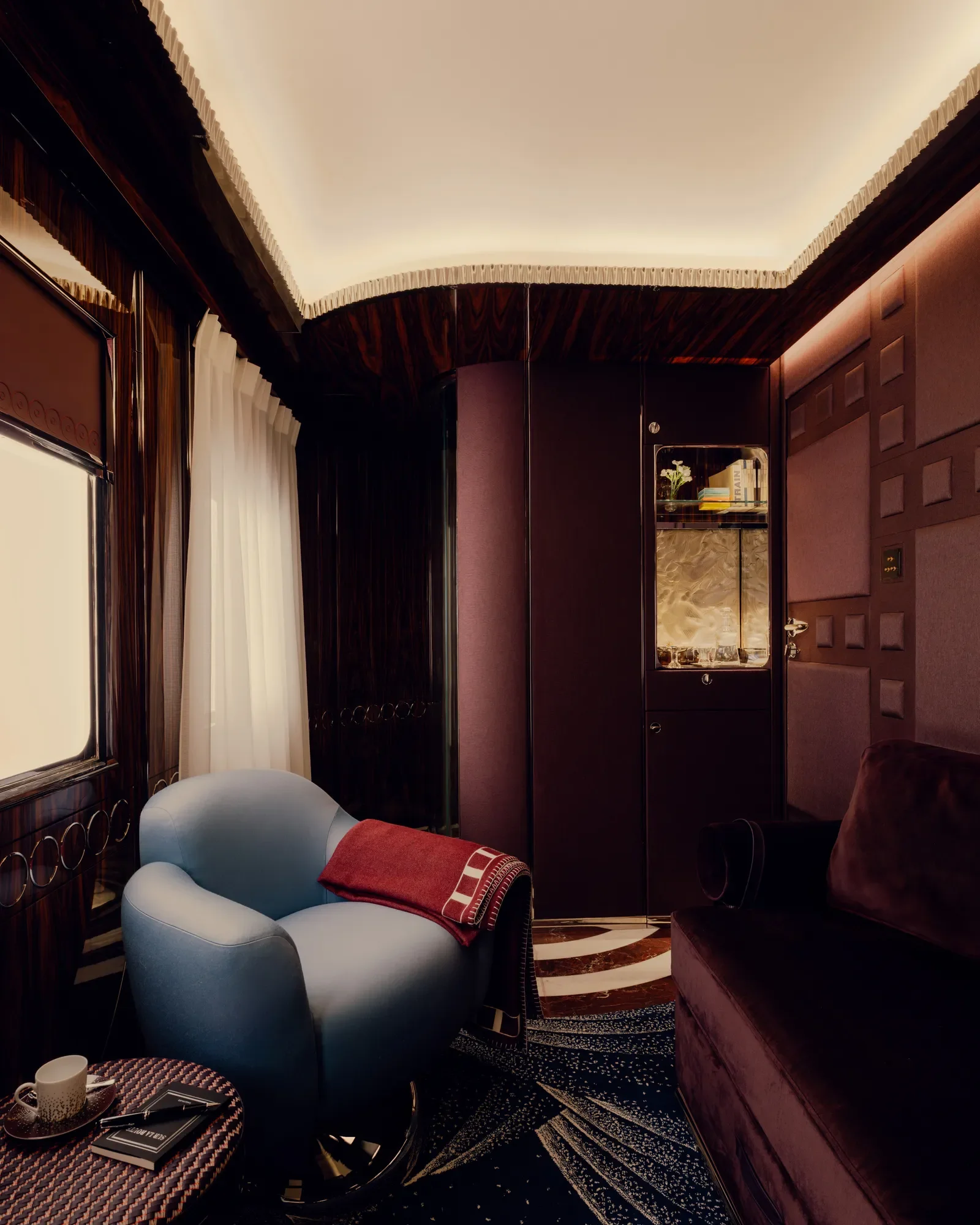
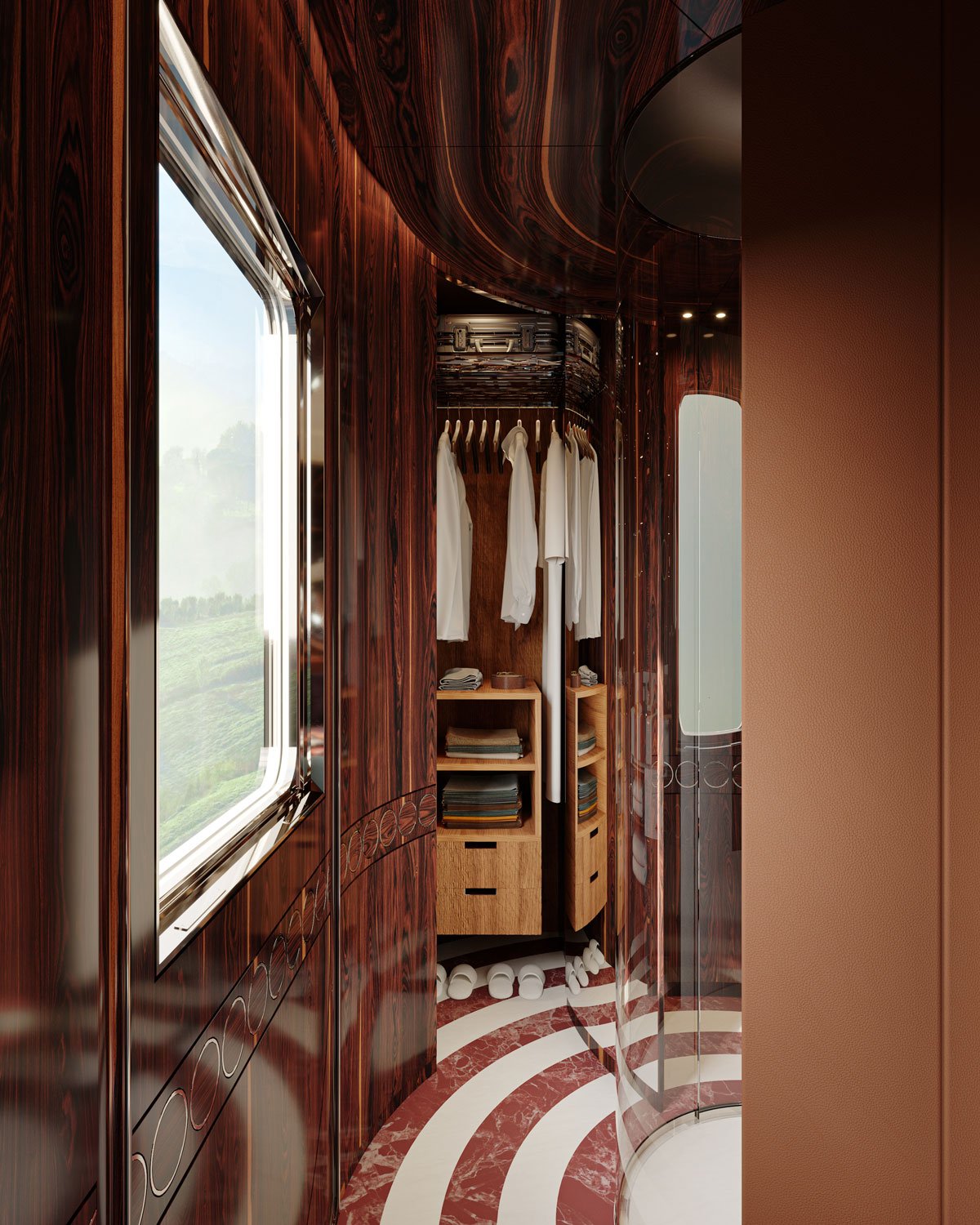
Architect Maxime d’Angeac has taken on one of hospitality’s most ambitious creative briefs: to reimagine the Orient Express, a name that shaped the mythology of luxury travel, for a new generation of global explorers. The starting point was extraordinary: 17 abandoned original carriages discovered on a remote siding near the Poland–Belarus border — a literal lost chapter of design history. Restored in France with exacting attention to materials, engineering and haute-métier craft, they carry forward the spirit of Ruhlmann, Dunand and Lalique in a modern vocabulary of comfort, technology and sustainability.
The romance of the rails never went away. Today, Belmond’s Venice Simplon-Orient-Express still goes between Paris, Venice and beyond in preserved 1920s carriages, and Italy’s La Dolce Vita Orient Express reframes slow travel through a distinctly contemporary and deliciously culinary-led lens. These journeys have kept the flame alive, proof that there remains a deep appetite for elegance, ritual and time well spent.
Now, Accor is building something bigger: a full Orient Express universe. Hotels in Rome and Venice. A sailing yacht. And, in 2027, a new flagship train that doesn’t simply relive the past but redefines what travel can feel like: intimate, intentional and about the journey itself.
For those of us who have always believed that train travel is the most interesting way to cross the world, this isn’t nostalgia. It’s the future. As much as bullet trains excite us, the thrill of the past is equally enjoyable.