

Hotel photography feels stuck. Let’s loosen it up

The Time is Now
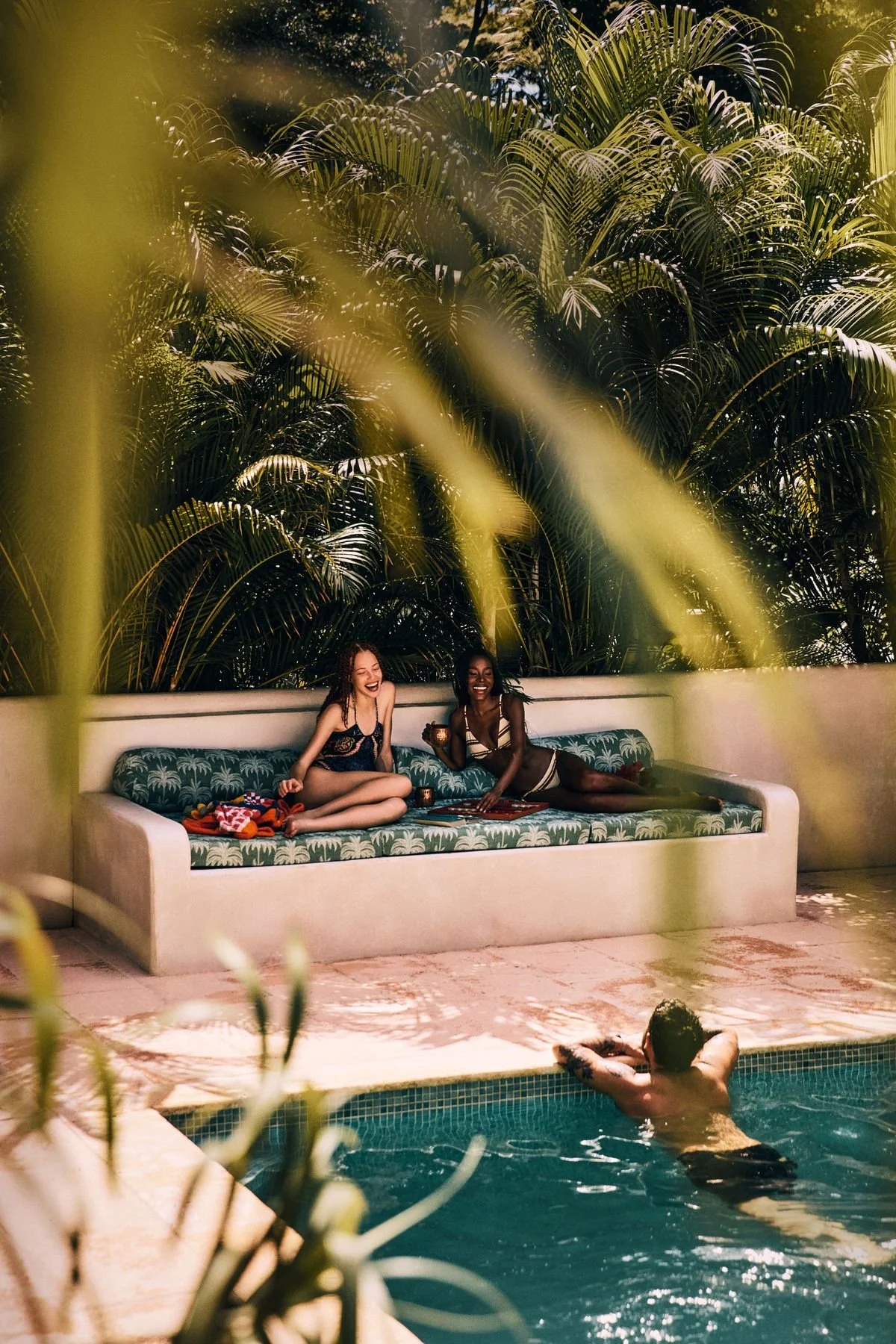
It’s time to update hotel listings — not to refresh them, not to “elevate” them, but to actually change them. For too long, and across far too many hotels, photography has been stuck in a repetitive visual loop. The same awkward close-up of a vase of gerberas. The same perfectly smoothed bed that looks like it’s never been slept in. The same couple on a rooftop, champagne mid-pour, performing enjoyment rather than actually experiencing it.
This isn’t a one-off problem. It’s systemic. Scroll through any booking platform and the imagery starts to blur into a single, interchangeable hotel somewhere-ness.
Reassurance Isn’t Enough Anymore
Yes, there is a place for showing the room. We do want to see what we’re going to get. But hotel photography can no longer exist purely to reassure and specify. At this point, it has to do something more meaningful: it has to be relevant.
Scroll through Booking.com and the sameness becomes impossible to ignore. Vast, anonymous ballrooms dressed for conferences nobody wants to attend. Soft bokeh. Too many flowers. Spaces photographed as if no one has ever actually occupied them — let alone lived in them, moved through them, or left a trace behind.
Polite, Risk-Averse, Forgettable
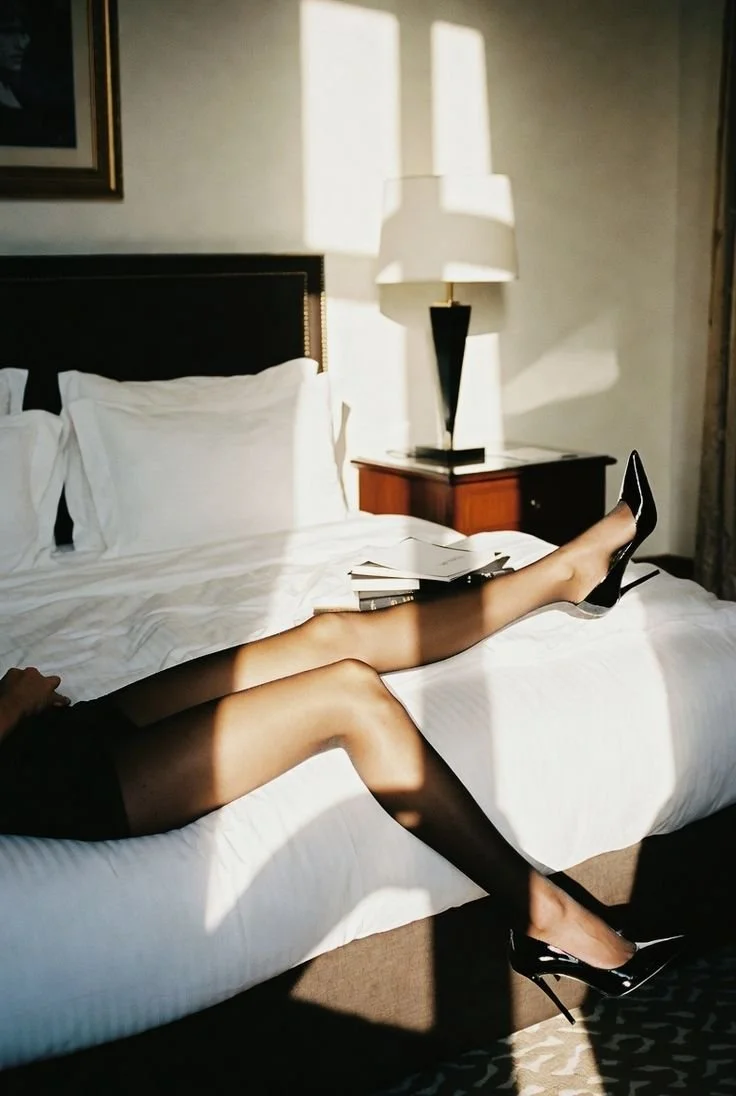
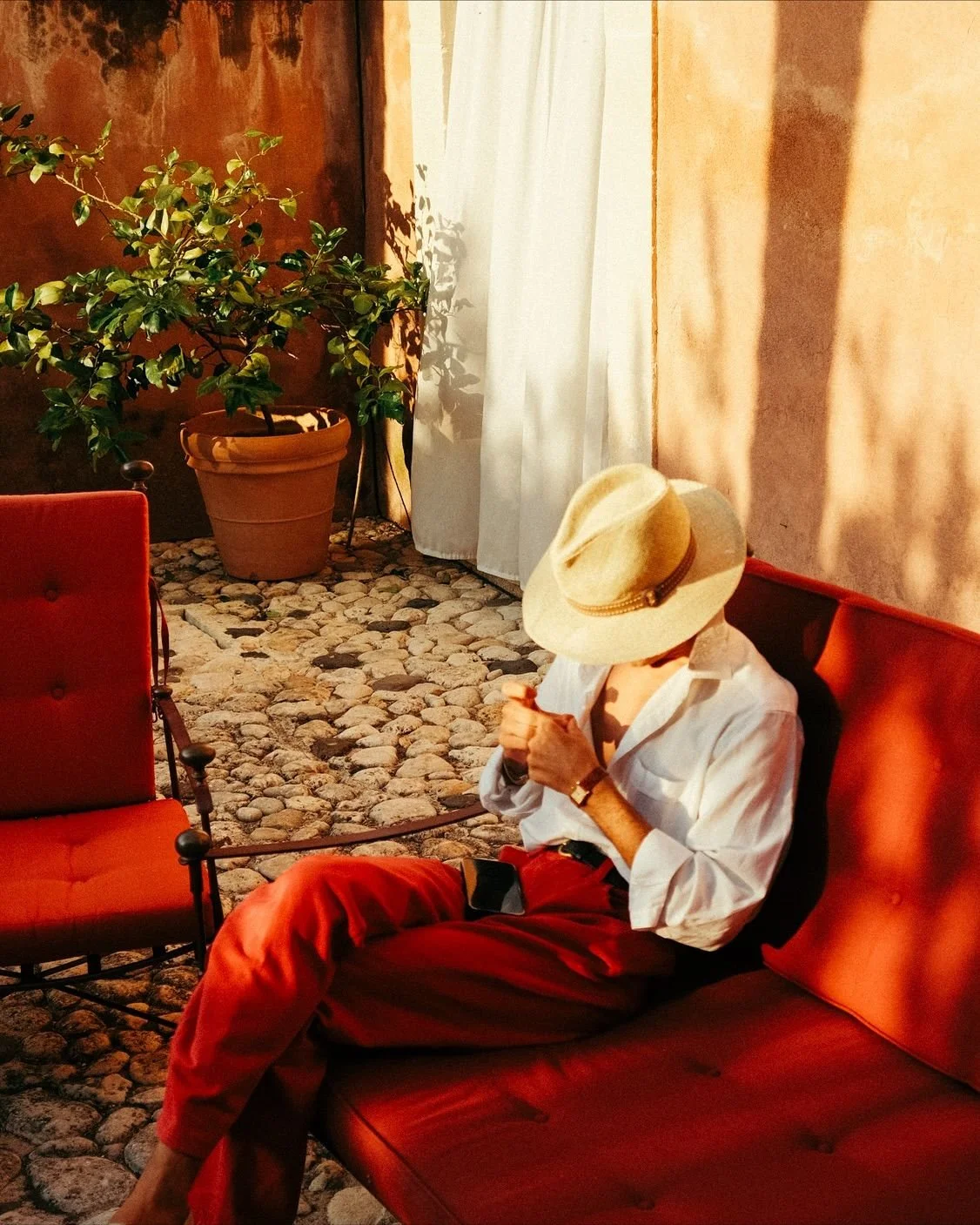
This isn’t bad photography. It’s simply dull — bloodlessly so. For an industry that talks endlessly about experience, emotion and storytelling, hotel imagery remains oddly frozen in time. It feels polite. Risk-averse. Sanitised. Designed to offend no one and, in doing so, excite absolutely no one.
Luxury, in theory, is about feeling something. Hotel photography, in practice, often feels like it’s been designed to feel nothing at all.
The Audience Has Moved On
The issue isn’t that people don’t understand luxury anymore. The issue is that audiences have evolved faster than hotel imagery has.
Millennials and Gen-Z are visually fluent. They’ve grown up immersed in fashion campaigns that build worlds, restaurants that sell atmosphere, and brands that understand mood, tension and point of view. They can spot stock tropes instantly — and hotel photography is full of them.
What once read as “aspirational” now reads as generic.
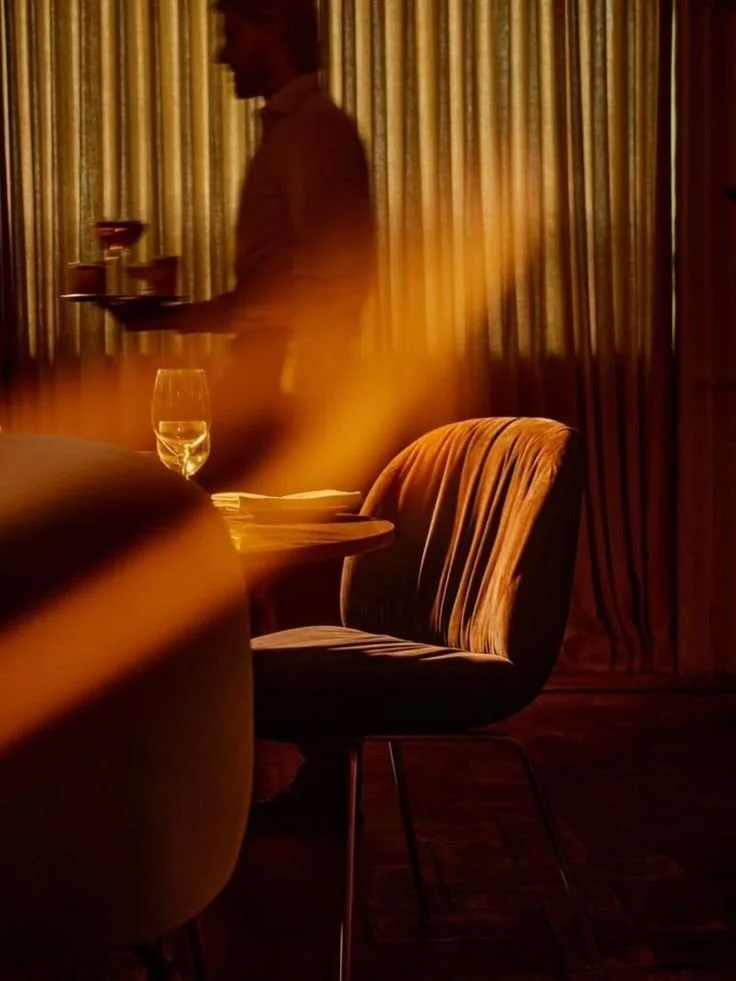
Restaurants Got the Memo
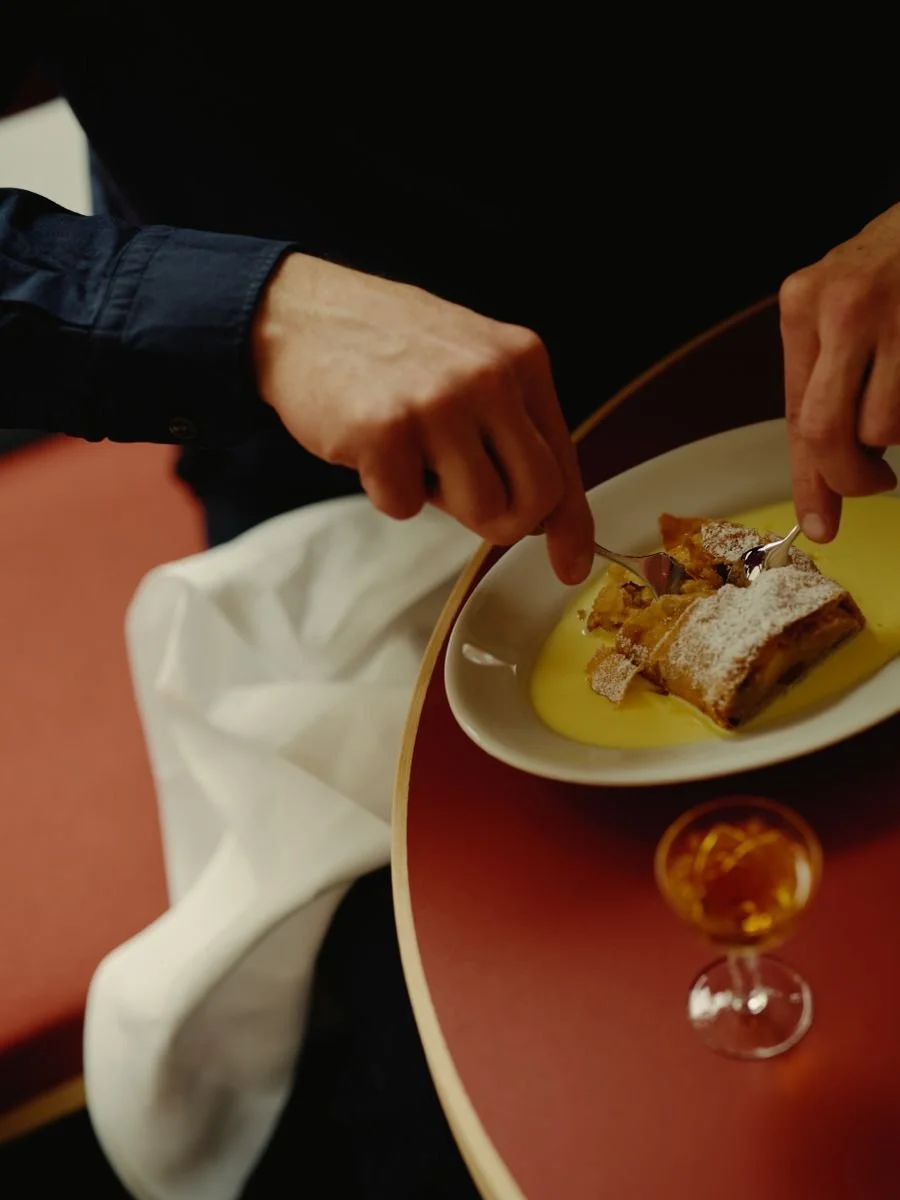
Look at what’s happened in food and restaurants over the last decade. That world evolved. Photography became more confident, more imperfect, more human. Sometimes strange. Always intentional.
Restaurants realised that showing a pristine dining room wasn’t enough. You had to communicate energy. Attitude. A sense of life unfolding. Hotels, by comparison, are still photographing spaces as if people don’t really exist — or worse, as if people are an inconvenience to the image.
What’s Missing Is Point of View
What hotel photography lacks isn’t budget or technical skill. It’s point of view.
Where is the sense of time passing? Of personality? Of real moments happening within the space? Where is the friction, the intimacy, the small messiness that actually makes travel memorable rather than merely comfortable?
Travel is rarely perfect. It’s defined by in-between moments, quiet details, half-used spaces, and personal rituals. Yet hotel imagery continues to present environments as pristine, sealed, and untouched.
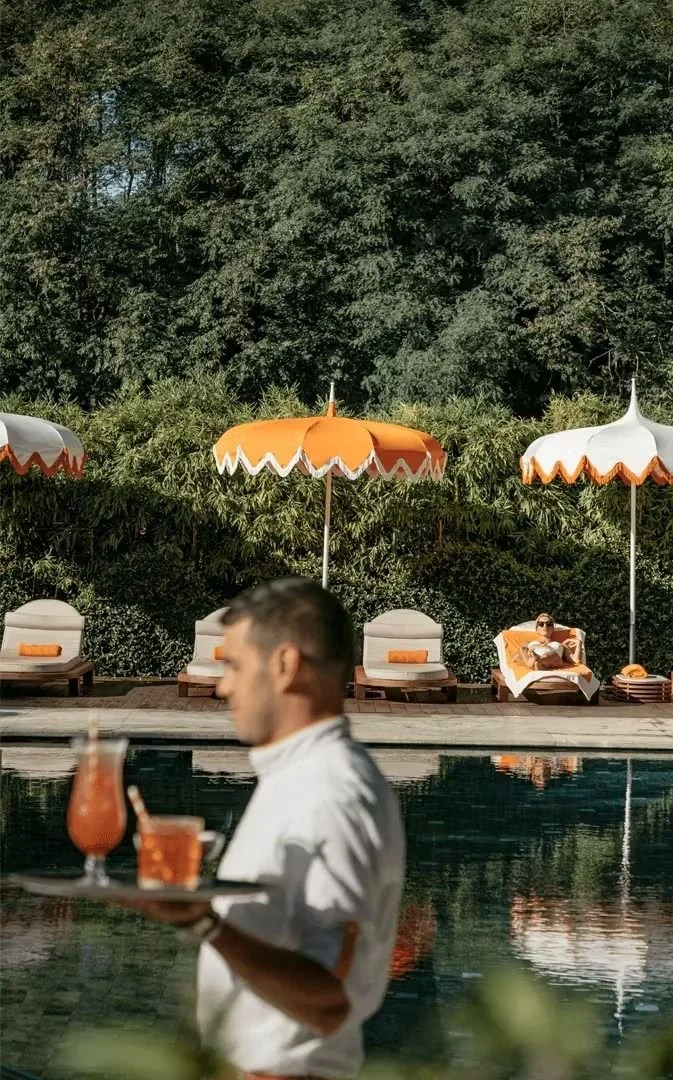
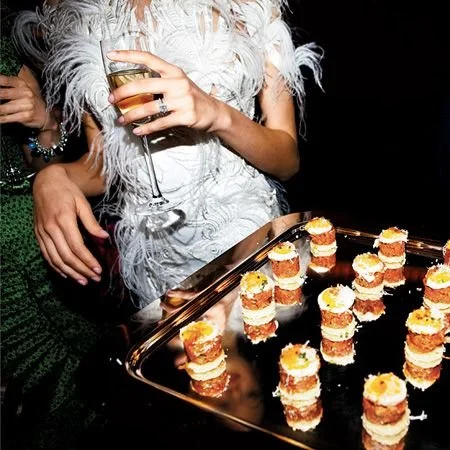
Less Showroom, More Life
We don’t need more empty rooms washed in sunset light. We don’t need another identical rooftop toast. What we need is hotel photography that feels lived-in, observational and slightly risky.
Imagery that reflects how people actually move through spaces — not how marketing decks imagine they should. Photography that understands atmosphere, not just amenities.
Time to Catch Up
This isn’t about being edgy for the sake of it. It’s about catching up to the visual literacy of the audience. The people booking hotels today are not naïve viewers. They’re culturally fluent, visually sharp, and deeply bored of being sold the same story over and over again.
We’ve all seen the old shots.
We’re bored of them.
And now feels like exactly the right moment to move on.
Speak to us to discuss elevating your brand photography.