

Ethics Aren’t an Aesthetic
Beyond Woke-Washing. Moving away from performative purpose in hospitality
Sustainability has become the baseline. What is emerging now is regeneration: hospitality designed to restore ecological, cultural and social systems rather than merely limit damage. As the language accelerates, so does scepticism. The opportunity for brands is real, but so is the risk of woke-washing; surface-level ethics deployed as branding while underlying business models remain fundamentally extractive.
The market signal is nonetheless hard to ignore. Regenerative tourism is already estimated at approximately USD 185 billion, with projections pushing beyond USD 500 billion over the next decade. That growth is not being driven by slogans or certifications, but by brands able to translate impact into lived experience, credibility and long-term asset value.
Four ways regeneration becomes structural
Economic Regeneration
Fogo Island Inn
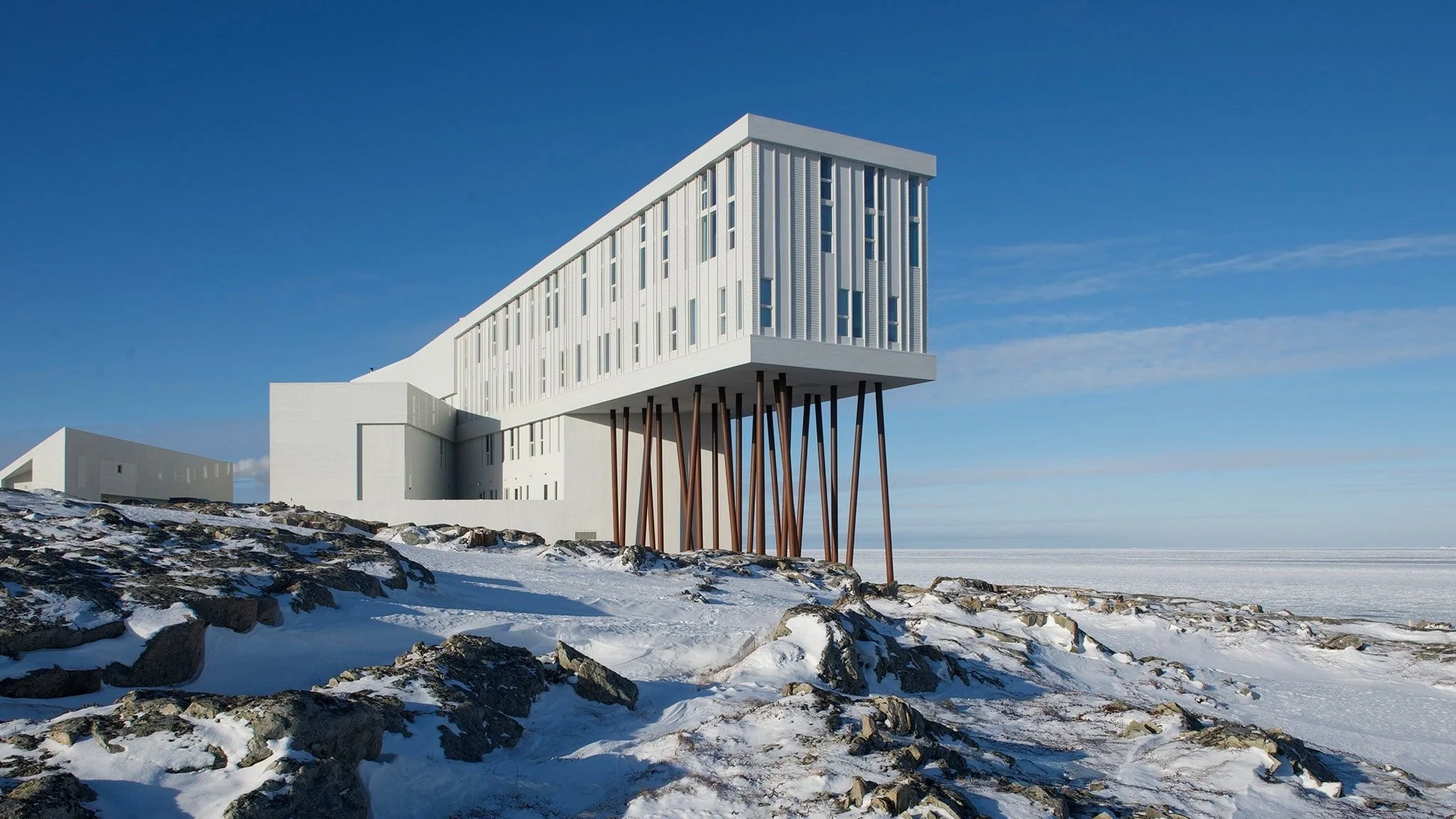
Fogo Island Inn - Newfoundland, Canada
Fogo Island Inn was conceived in response to long-term economic decline in a remote fishing community. Its operating structure deliberately routes surplus back into the local economy rather than external ownership, with employment, procurement and production anchored to the island.
Craft, furniture and services are produced locally, and the hotel functions as part of a wider economic system rather than a standalone asset. Its relevance sits less in the guest experience than in the way hospitality is used to stabilise a place rather than extract from it.
Ecological Regeneration as the Asset
Bushmans Kloof Wilderness Reserve
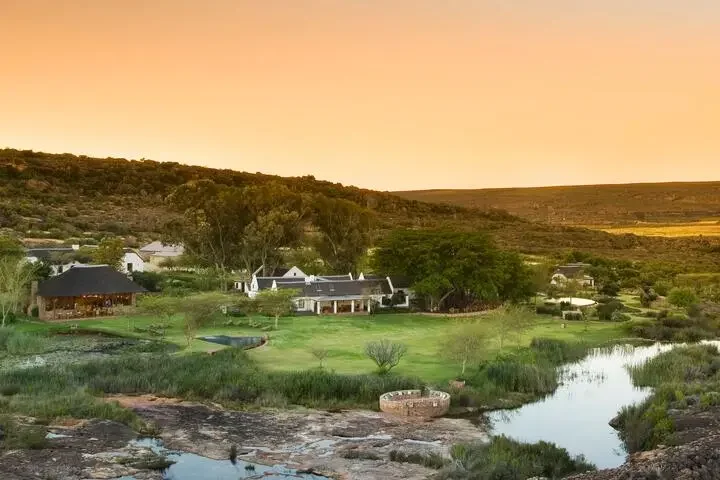
Bushmans Kloof operates within a protected landscape containing rare biodiversity and significant San rock art sites. Conservation and cultural stewardship are funded directly through the hotel’s operation.
The viability of the business is tied to the ongoing health of the land. The environment is not positioned as scenery or amenity, but as the core asset. Degradation would represent a material threat, not simply a reputational one.
Cultural & Political Grounding
Six Senses Bhutan
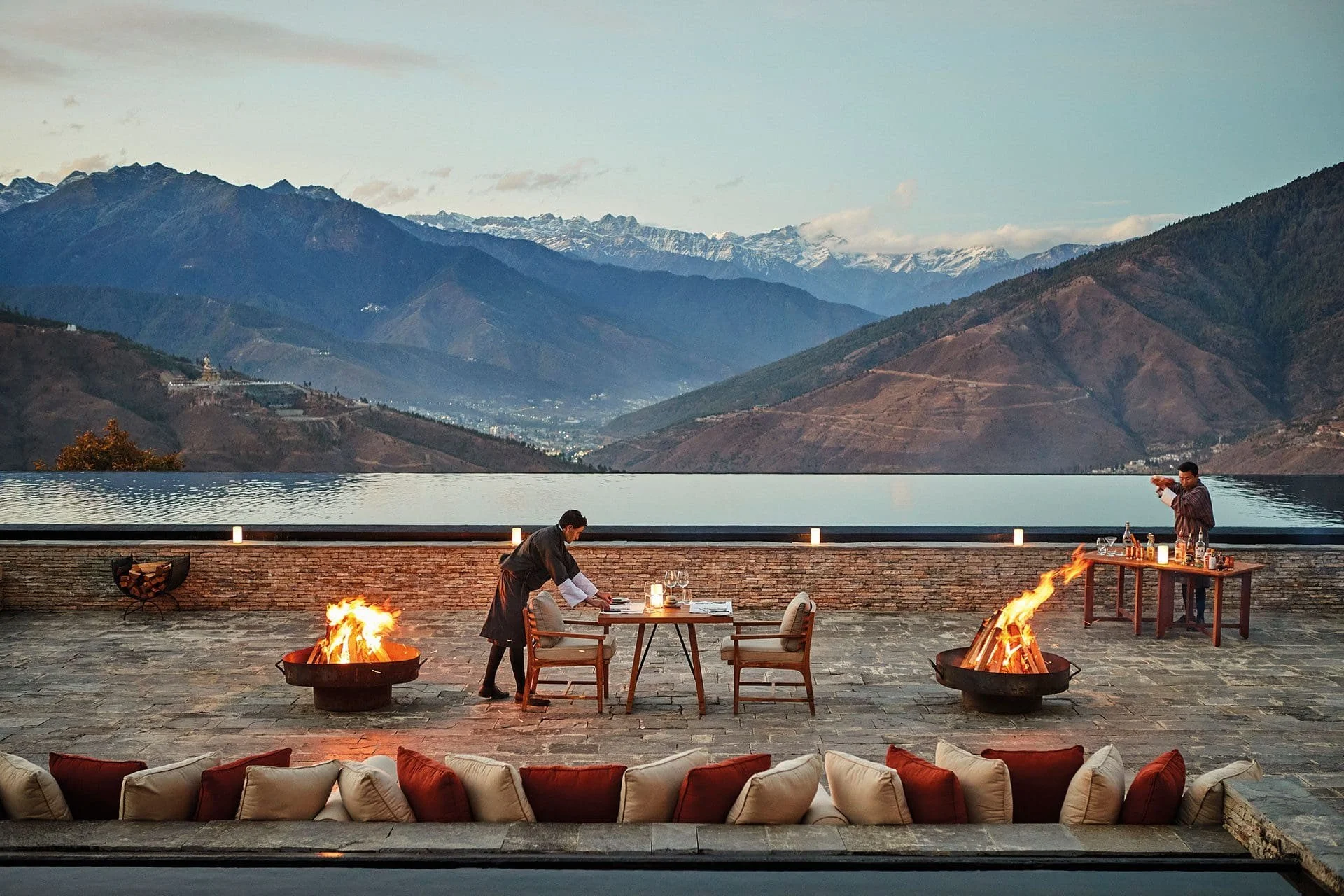
Six Senses Bhutan is shaped by Bhutan’s national development philosophy, which prioritises collective wellbeing and cultural continuity. Architecture, labour practices, sourcing and wellness programmes reflect this context rather than a globally standardised luxury model.
The project works because it aligns with existing political and cultural systems, rather than attempting to introduce an external framework of ethics or sustainability.
Design-Led Regeneration
Whitepod Eco-Luxury Hotel
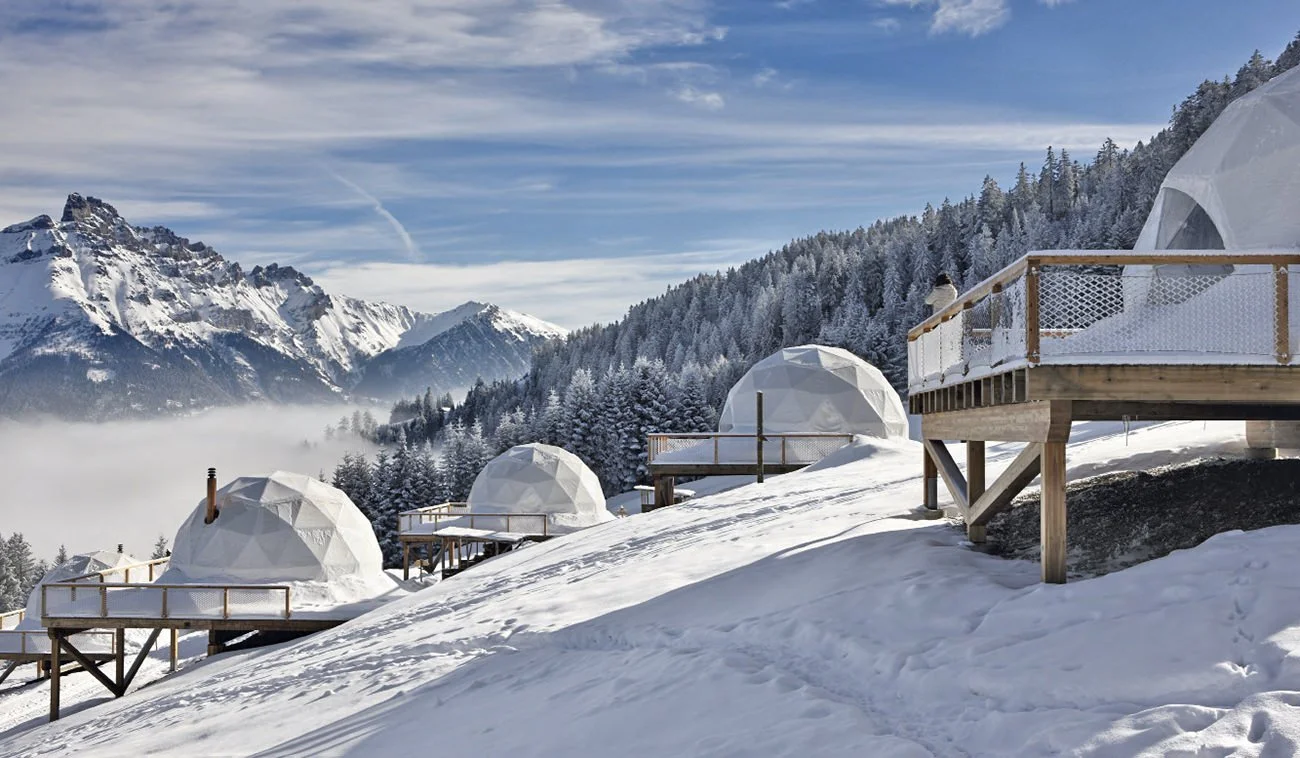
Whitepod addresses environmental impact primarily through design decisions made before operations begin. Lightweight, reversible structures minimise land disturbance, while passive design reduces long-term energy demand.
Rather than compensating for impact through offsets or behavioural messaging, constraint is embedded directly into the physical fabric of the hotel.
The Alternative View
Scepticism is justified. Much of what is currently labelled “regenerative” remains extractive tourism with better language: offsetting instead of structural change, storytelling instead of systems. Without changes to ownership, labour models, land use and supply chains, regeneration risks becoming the next diluted buzzword - persuasive in tone, weak in substance.
From an investment perspective, this cuts both ways. The lack of standardised metrics makes comparison difficult, but it also creates opportunity. Brands able to demonstrate verifiable outcomes alongside strong commercial performance stand out precisely because the market is crowded with claims and short on proof.
The Opportunity for Brands
Regeneration is not a moral stance; it is a strategic one. When embedded properly, it builds credibility, defensibility and long-term relevance. When applied superficially, it becomes woke-washing and increasingly easy to see through.
The next decade will likely separate hospitality brands that borrow the language of regeneration from those willing to rebuild their operating systems around it.