

Helmut Lang and the Art of Total Control
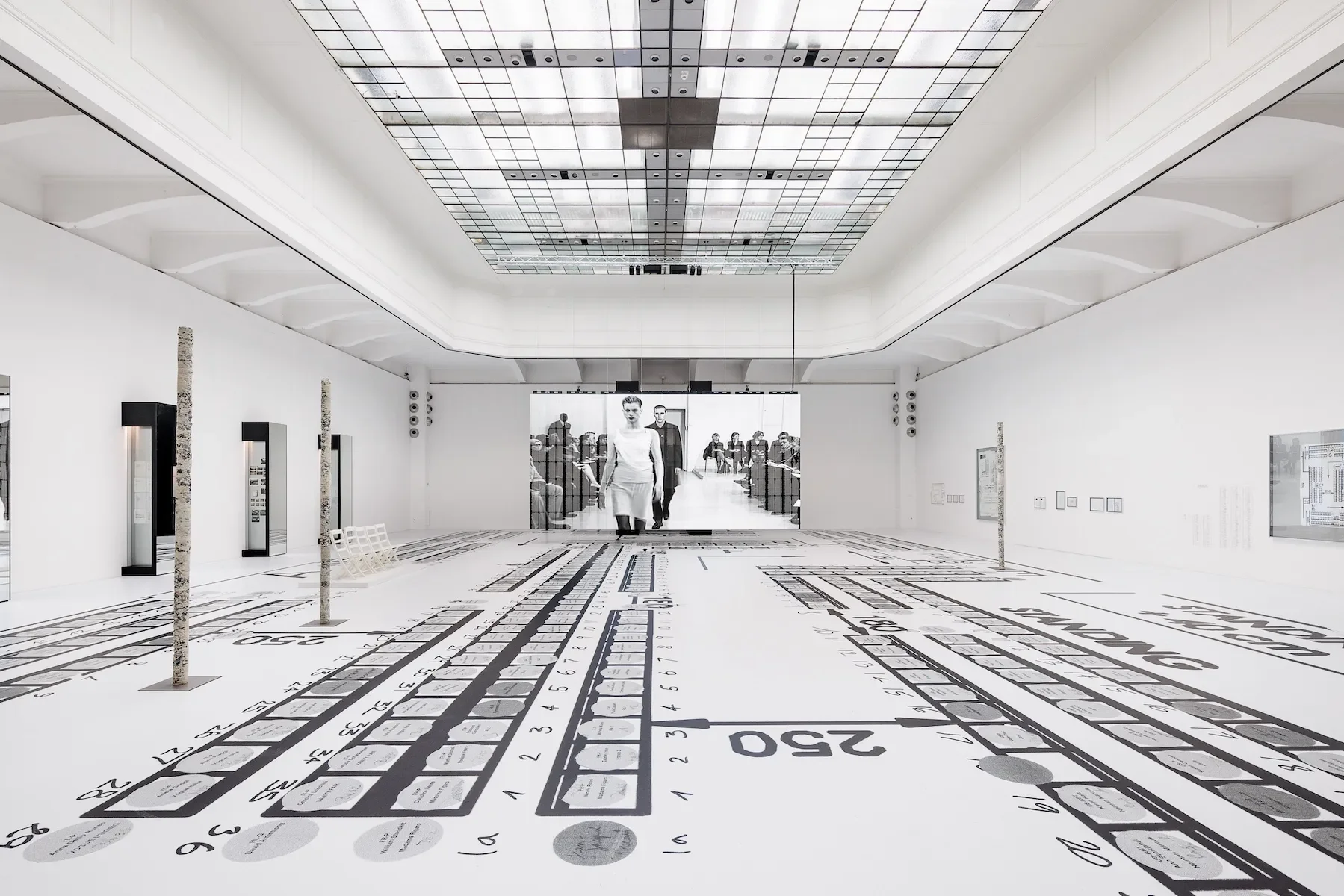
We went to the Helmut Lang exhibition at MAK, Vienna (Museum of Applied Arts) expecting just another 90s fashion retrospective.
What we found instead was something far more interesting: a showcase of a designer who had already resolved many of the things contemporary luxury is still trying to articulate.
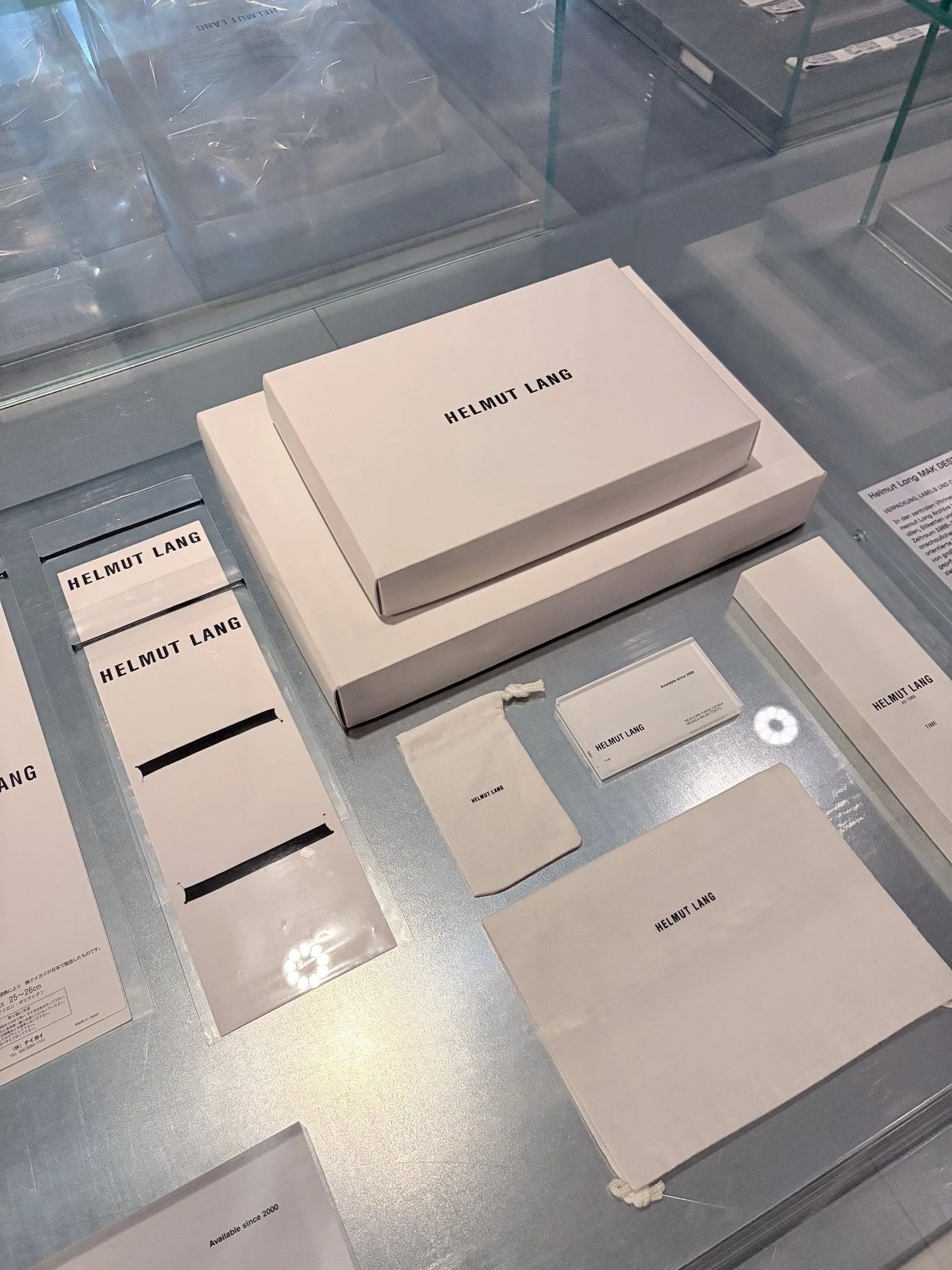
Helmut Lang: Séance de Travail 1986–2005 unfolds less like a look back and more like a system for best-in-class branding. Clothing, photography, store architecture, casting, sound, artist collaborations - everything aligned, thoughtful and together.
Celebrating Backstage Before It Was a Strategy
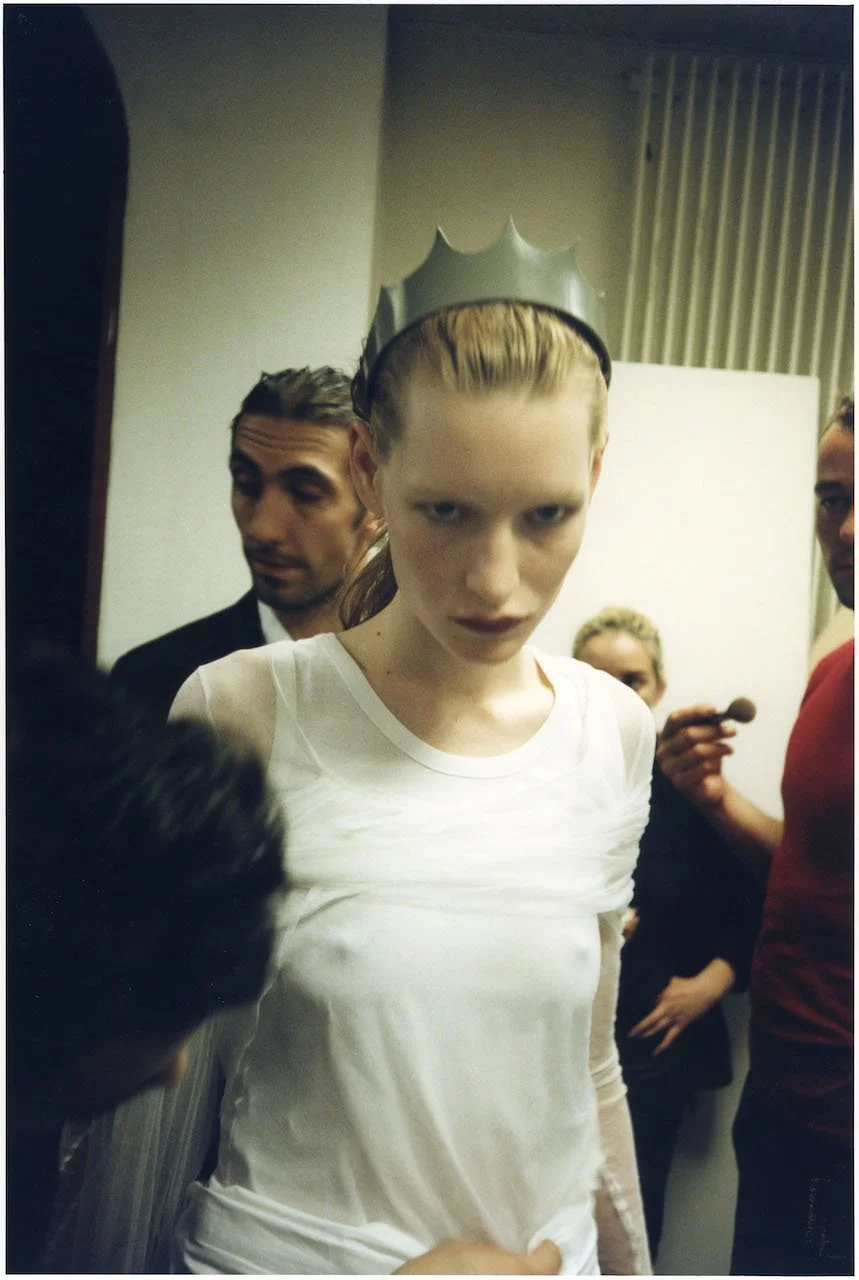
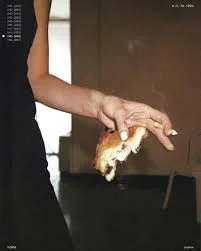
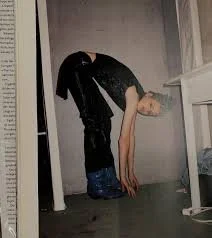
Today, the process is shown everywhere. Fittings, studio fragments, behind-the-scenes edits - proof of craft has become part of the product and of everyday life in the age of BTS.
Lang approached this as more than just another content pillar.
Through his early-90s collaboration with Juergen Teller, backstage imagery, Polaroids, casting sheets, work-in-progress moments all became central to the brand’s visual language. The line between making and showing disappeared, but without theatrics. There was no oversharing, no performance of authenticity. The work carried its own authority. That was enough and at the time, it was unusual.
Looking at it now, it was quietly ahead of its time. The transparency many brands attempt to stage today was already embedded in the way he worked.
A Real Appreciation of Art
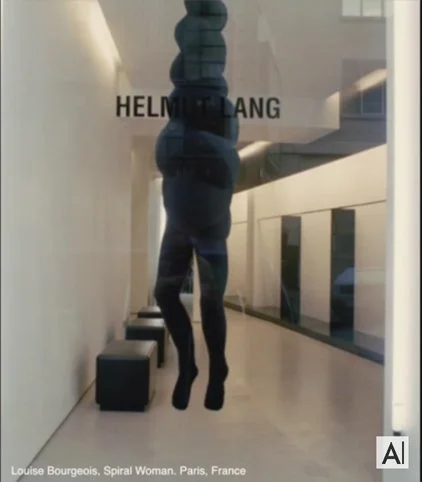
Luxury has always aligned itself with art. What’s striking at MAK is how fully Lang integrated it.
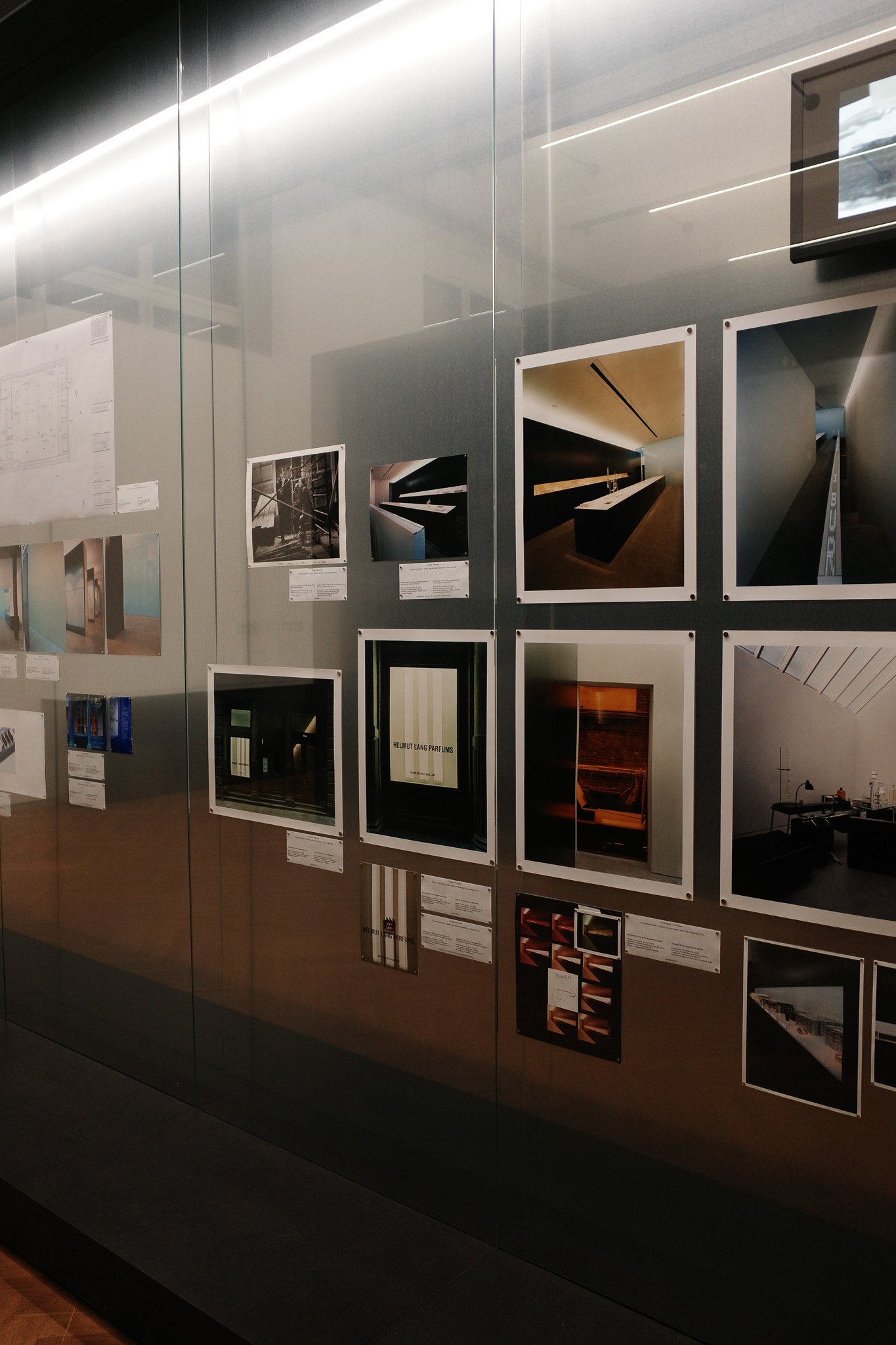
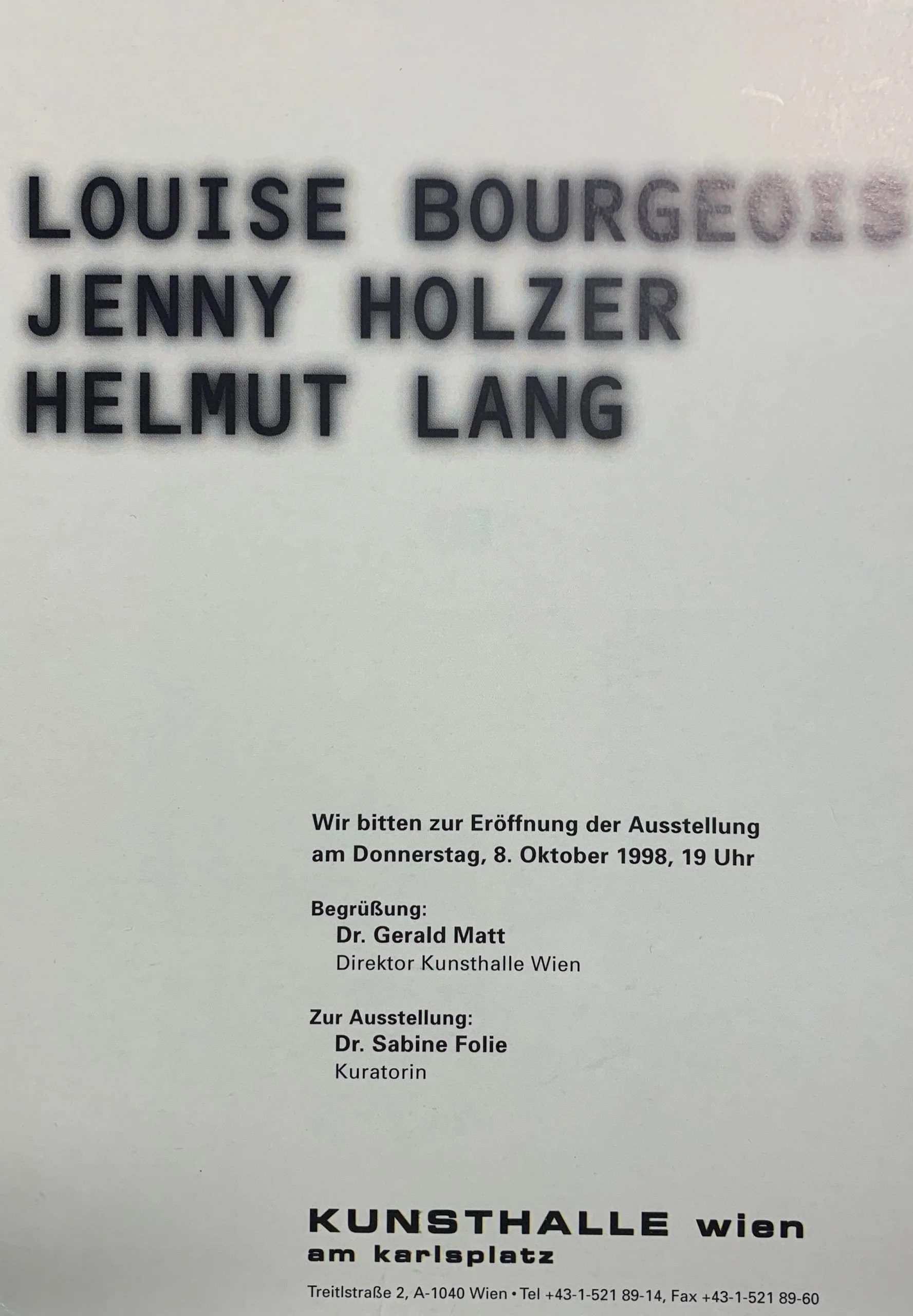
Jenny Holzer’s LED texts were embedded within his store environments. Louise Bourgeois’ sculptures existed alongside the clothes without hierarchy, visible not just to the art world, but to anyone walking past a shop window. The architecture itself, conceived with gallery-level severity and 90s minimalist perfection, directed the eye.
The reconstructed store sections at the exhibition make this clear: these weren’t boutiques decorated with art. They were environments where clothing, text, sculpture and space operated as one cohesive brand experience.
We now see echoes of this everywhere: retail as cultural space, brand as curator, architecture as narrative device. Lang treated it as infrastructure rather than enhancement.
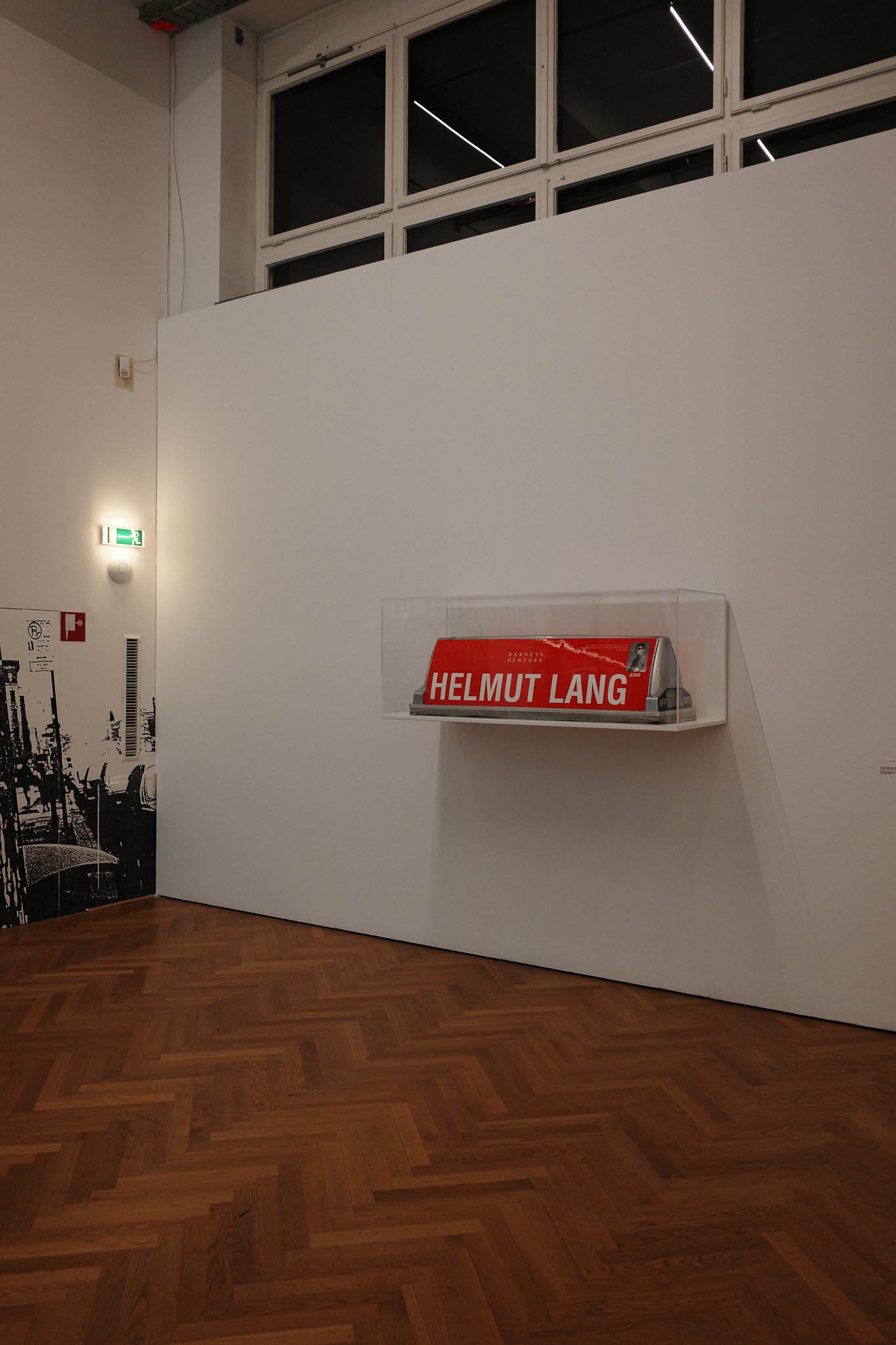
The Taxi Roof
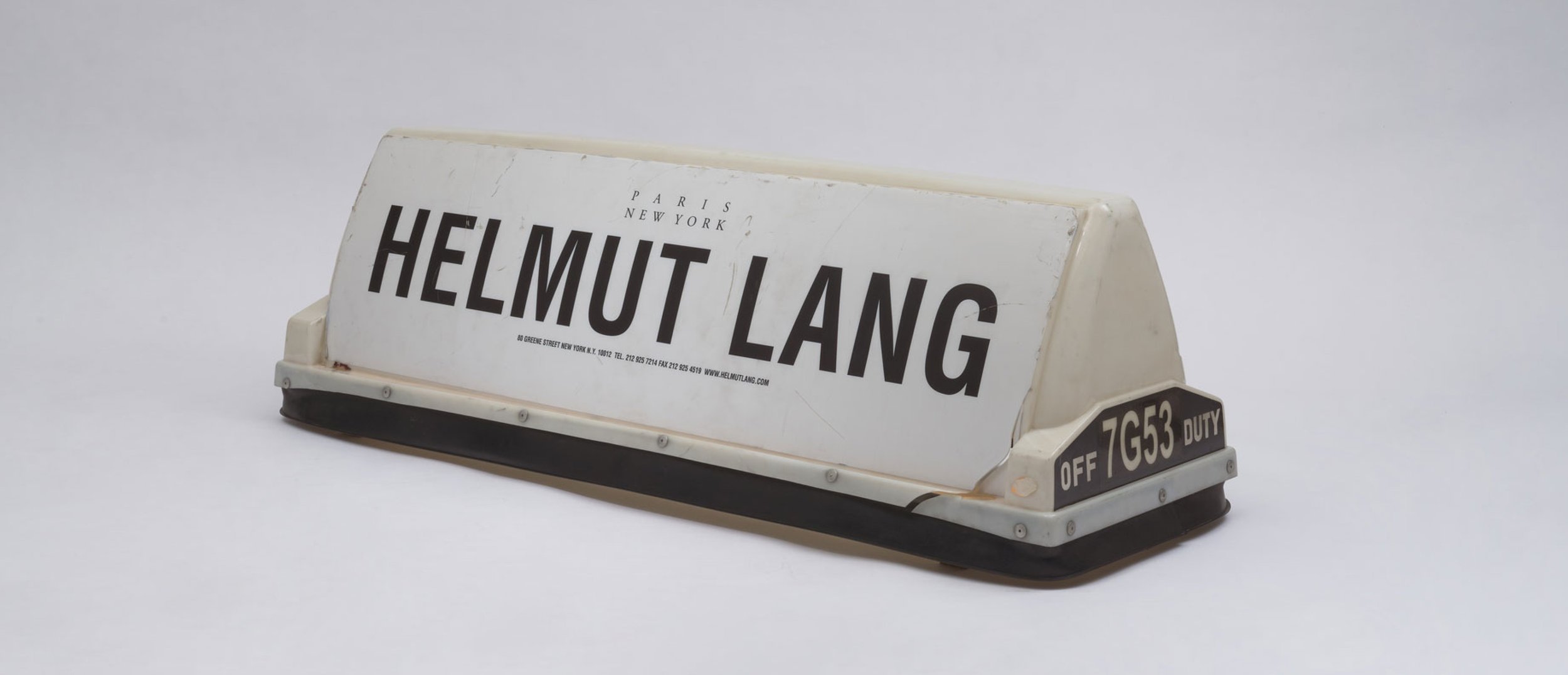
And then there’s the now iconic taxi campaign.
Late-90s New York. A city filled with imagery, brands and advertising. Lang places nothing but his name across cab roofs. No clothing. No models. No seasonal messaging.
In an era dominated by high-gloss fashion fantasy, he chose reduction and placement. The starkness itself became what grabbed attention.
Today, it looks both audacious and restrained, a reminder that confidence in identity can be enough. Not everything needs a manifesto, a layered narrative, or - god forbid - a QR code.
Minimalism And Friction
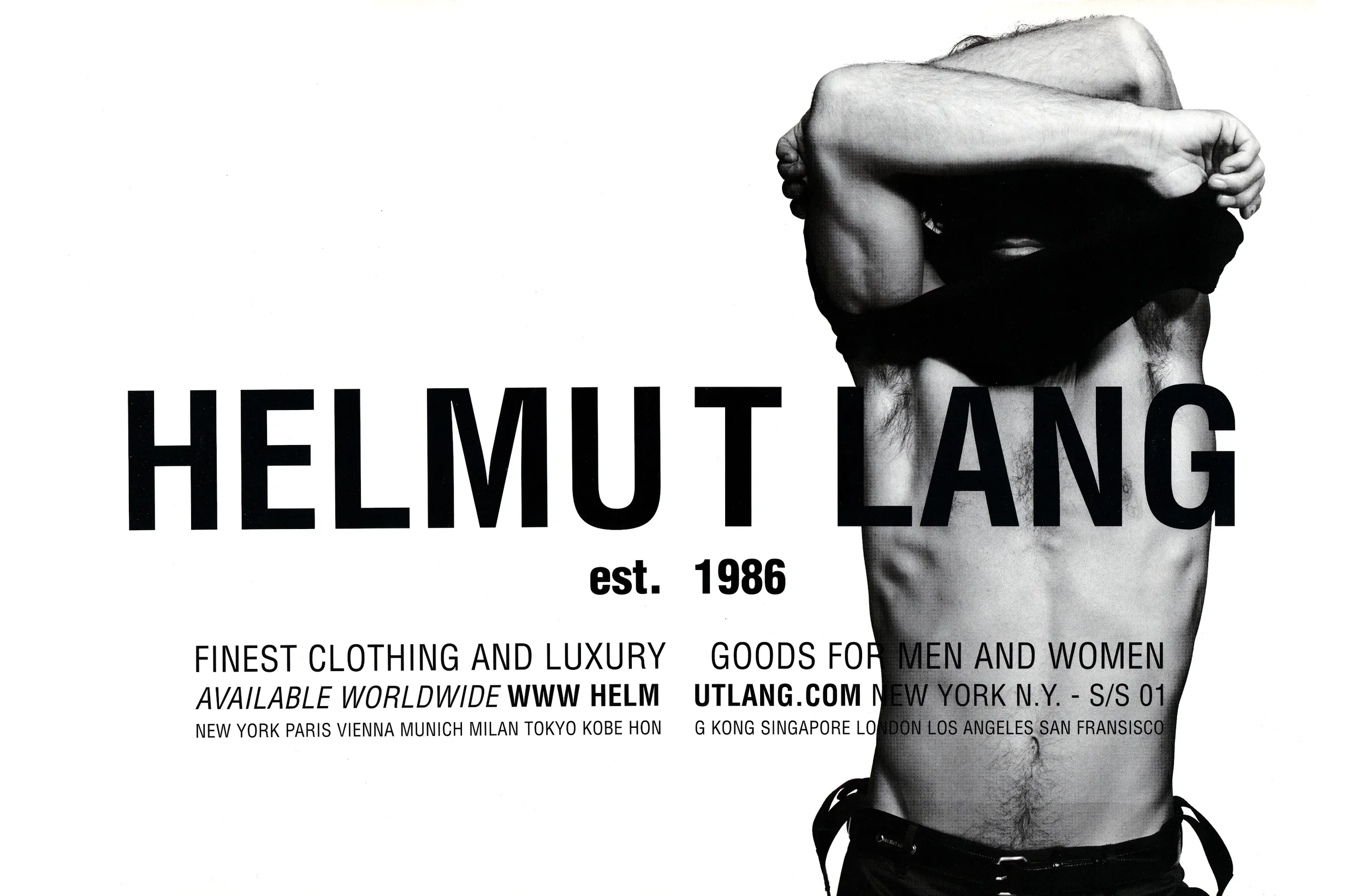
The exhibition cleverly dismantles the easy label of “90s minimalism.”
Yes, there is exceptional tailoring and crisp proportions. But there is also weirdness like latex, eel skin, sheer mesh, flashes of acid colour cutting through monochrome control. References to workwear sit beside hints of fetish and futurism.
The clean lines and stark simplicity is, once again, what makes the disruption standout.
In 2026, contemporary quiet luxury can sometimes drift into neutrality - beige cashmere, anyone? - Lang’s restraint carried tension. It had bite.
Directing the Gaze
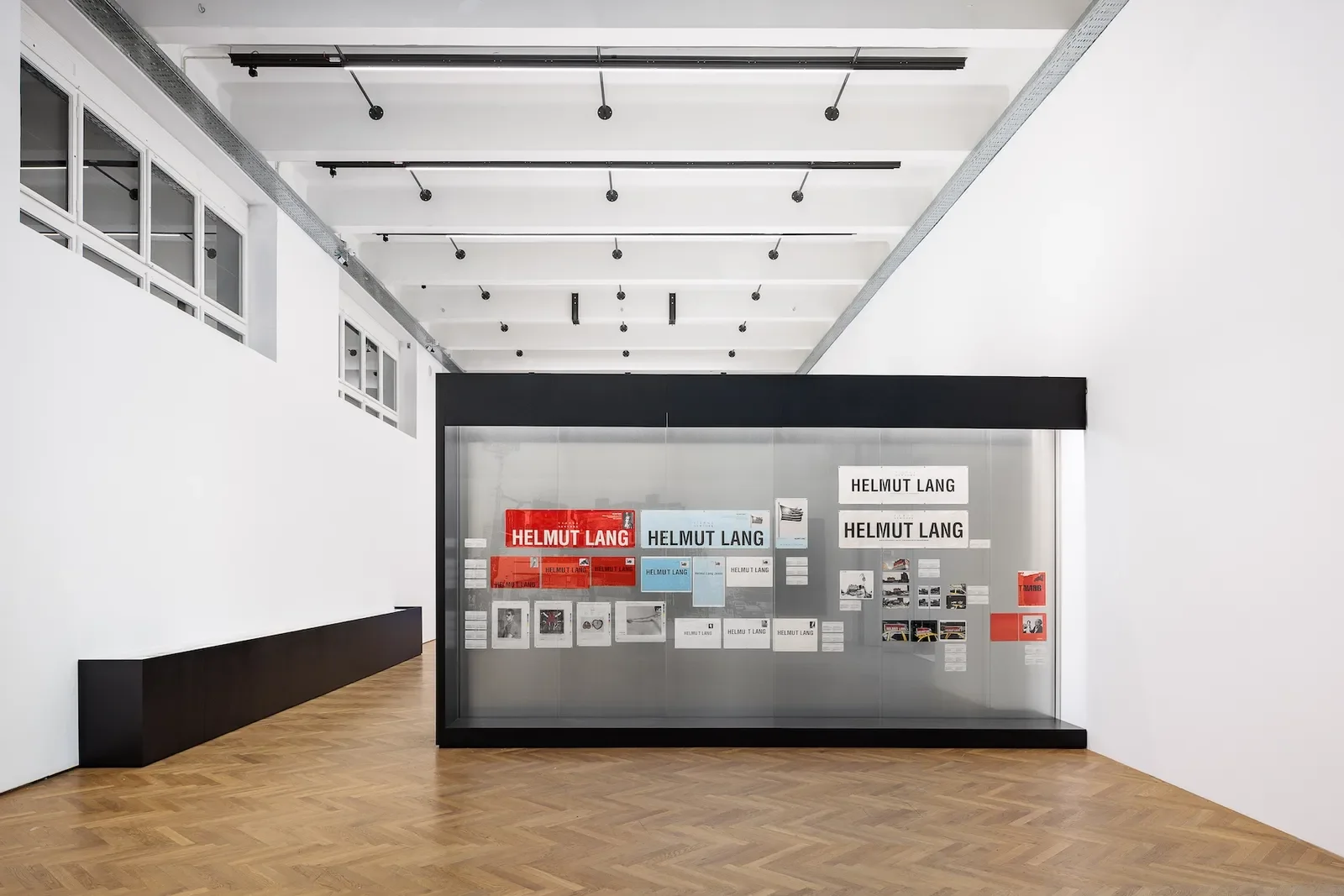
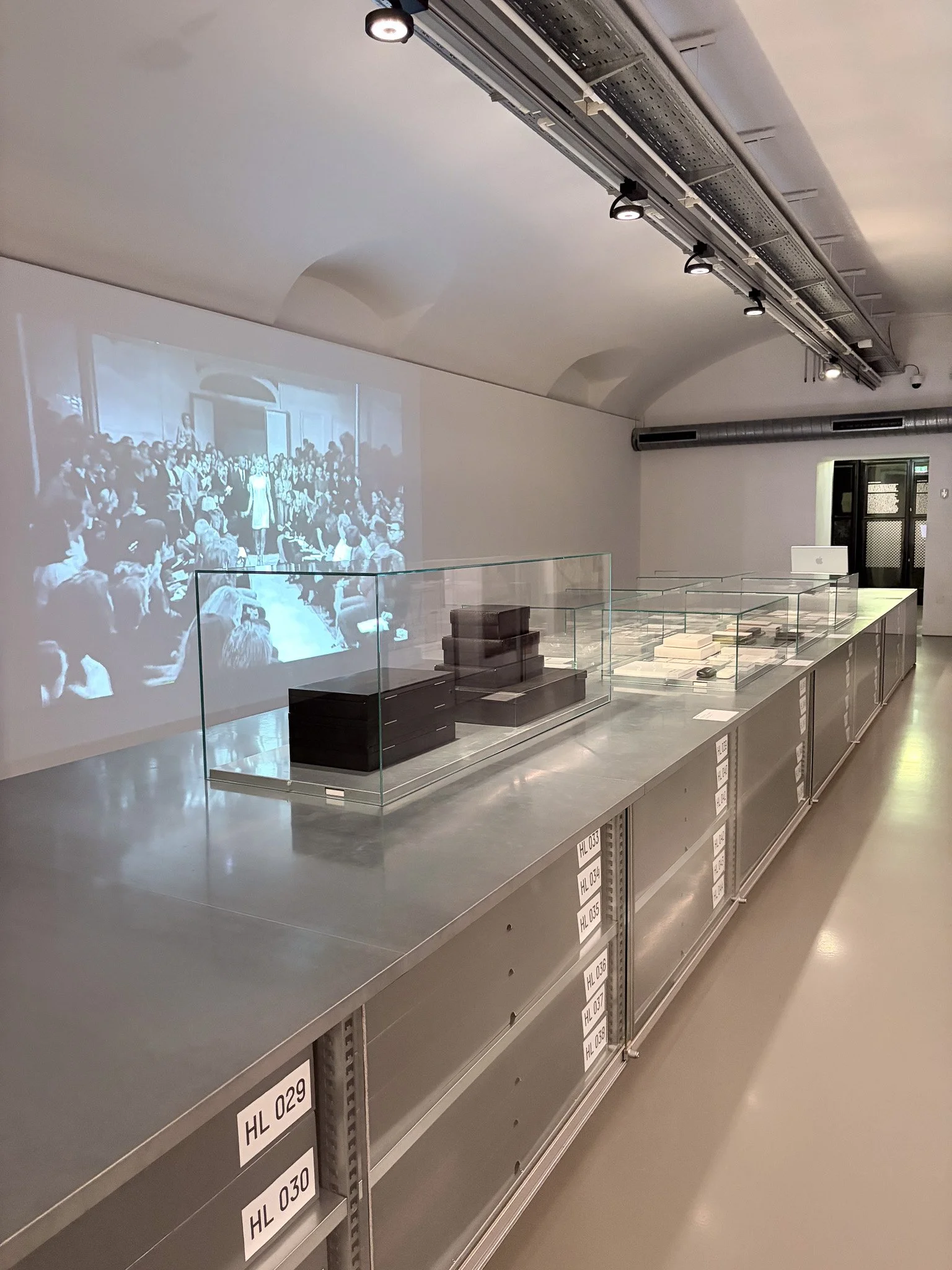
The exhibition curator Marlies Wirth notes that Lang’s stores were designed to direct how you look. The exhibition adopts that same principle.
Sight lines are controlled. Black cubes interrupt your journey. The floor itself maps the layout of a runway seating plan. You don’t just look at the work; you move through it in a choreographed sequence.
A photograph would never have been enough. The space constructs your perception and therefore your interpretation of it.
And that idea feels very current. Intelligent brands today understand that identity is not just what you produce, but how people move through it.
Composure
So much of contemporary luxury speaks about immersion, authenticity, collaboration and craft.
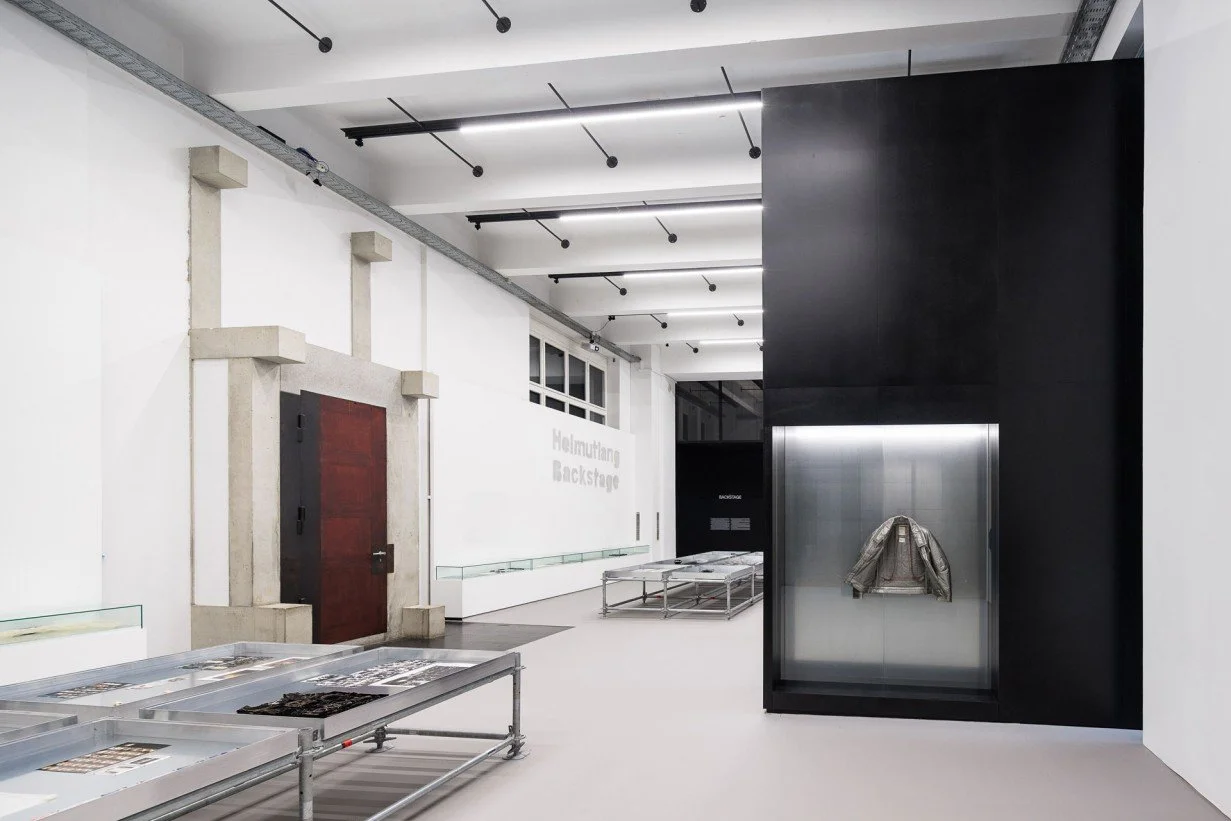
Visiting the MAK, it becomes clear that Lang wasn’t speaking about those ideas at all. He was just doing them.
Clothing, store, campaign, casting - every element aligned without being forced. Nothing was announced as strategy. Nothing felt embellished to prove a point.
You leave thinking less about fashion trends and more about brand authorship, the quiet confidence that comes from knowing exactly what you are and resisting the urge to decorate it further.
A lesson that many brands could learn from today.