

Milan Design Week 2026: When Design Became Content
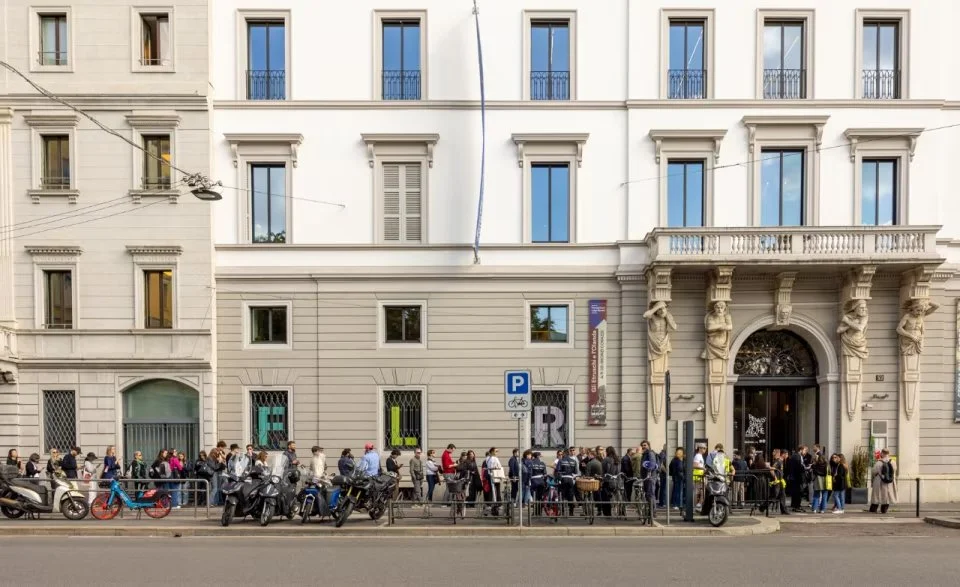
Ask anyone who attended this years event and you’re sure to hear about the queues
There’s been a lot of noise about brands taking over Milan Design Week. From being there, it’s hard to argue. The queues alone told the story — proper, fashion-week-level queues. Speaking to the team in Prada, they said it had been busier than Fashion Week, which says everything. This isn’t just a design audience anymore.
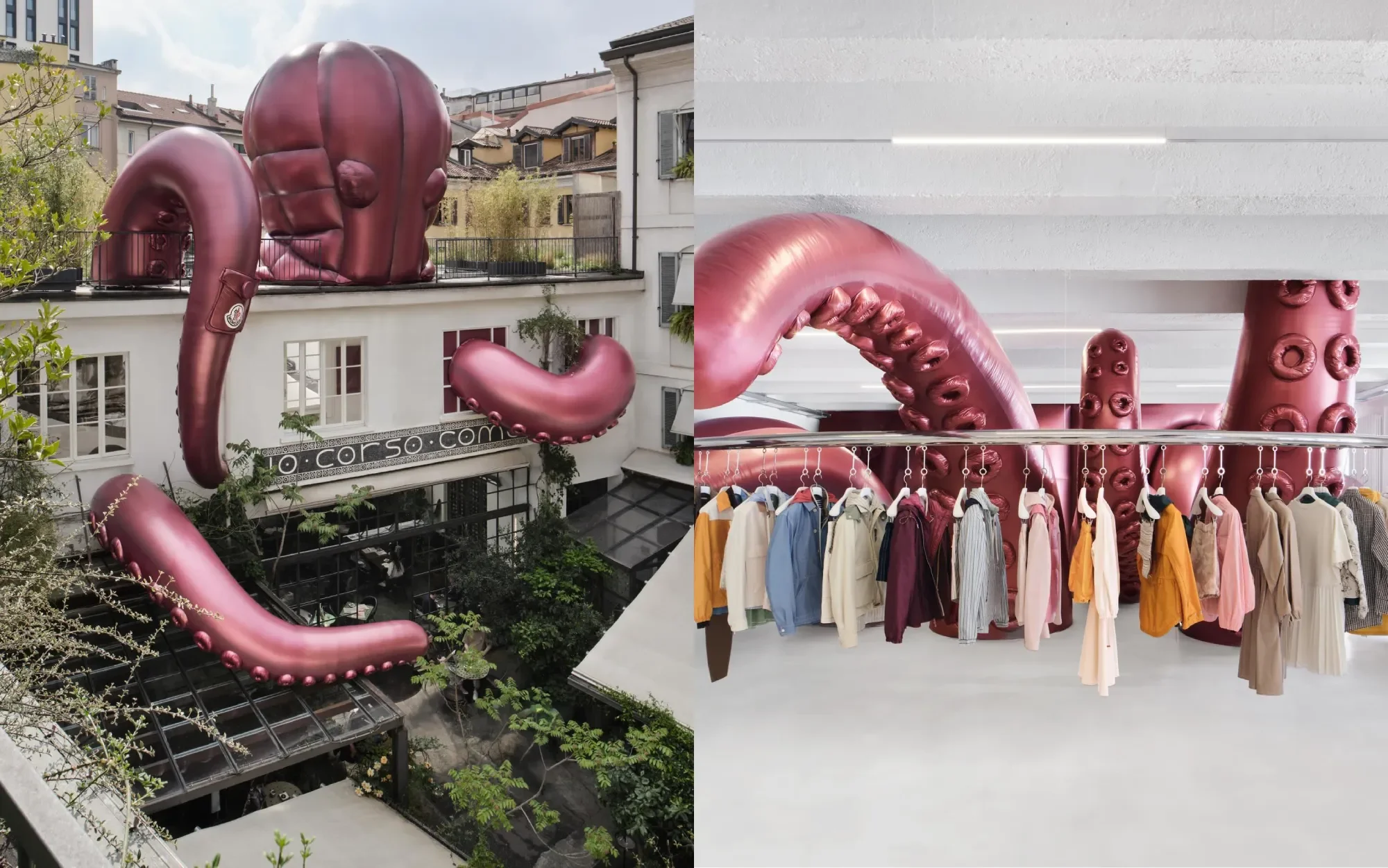
Confident branding: “Have a Putty Summer” by Moncler at 10 Corso Como
What was once a relatively niche, industry-led moment now feels closer to a global cultural platform. Moncler at 10 Corso Como, Acqua di Parma’s book launch, Fiat’s club concept — all less about product, more about world-building. RH’s opening landed as one of the defining moments of the week — an epic showroom that struck a rare balance: Hollywood spectacle, but grounded in genuine Milan roots. The recreated Bar Basso inside was part theatre, part homage, while outside the real thing was, predictably, overrun. In contrast, Marni’s collaboration with Pasticceria Cucchi felt more understated — culture used properly, not amplified.
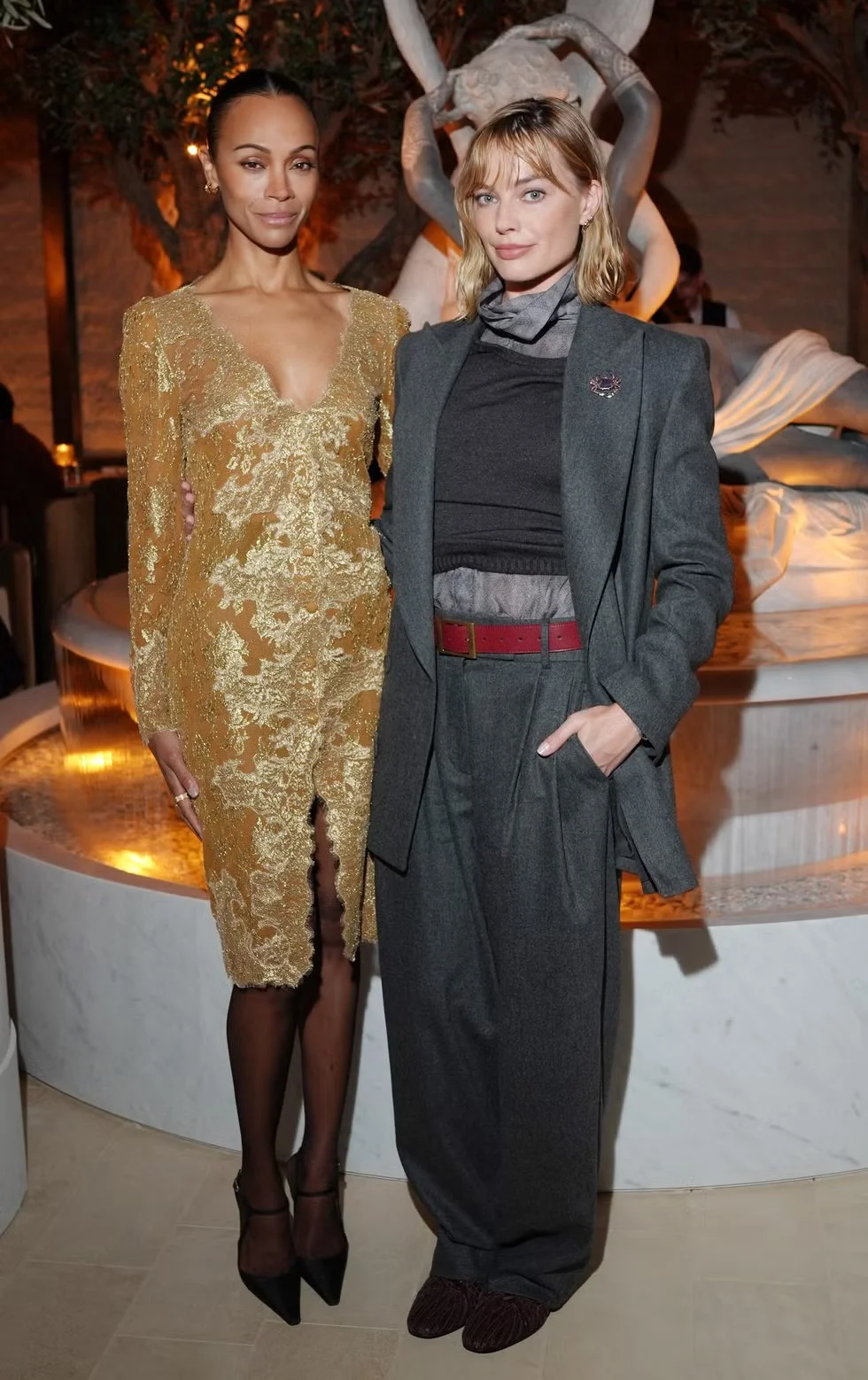
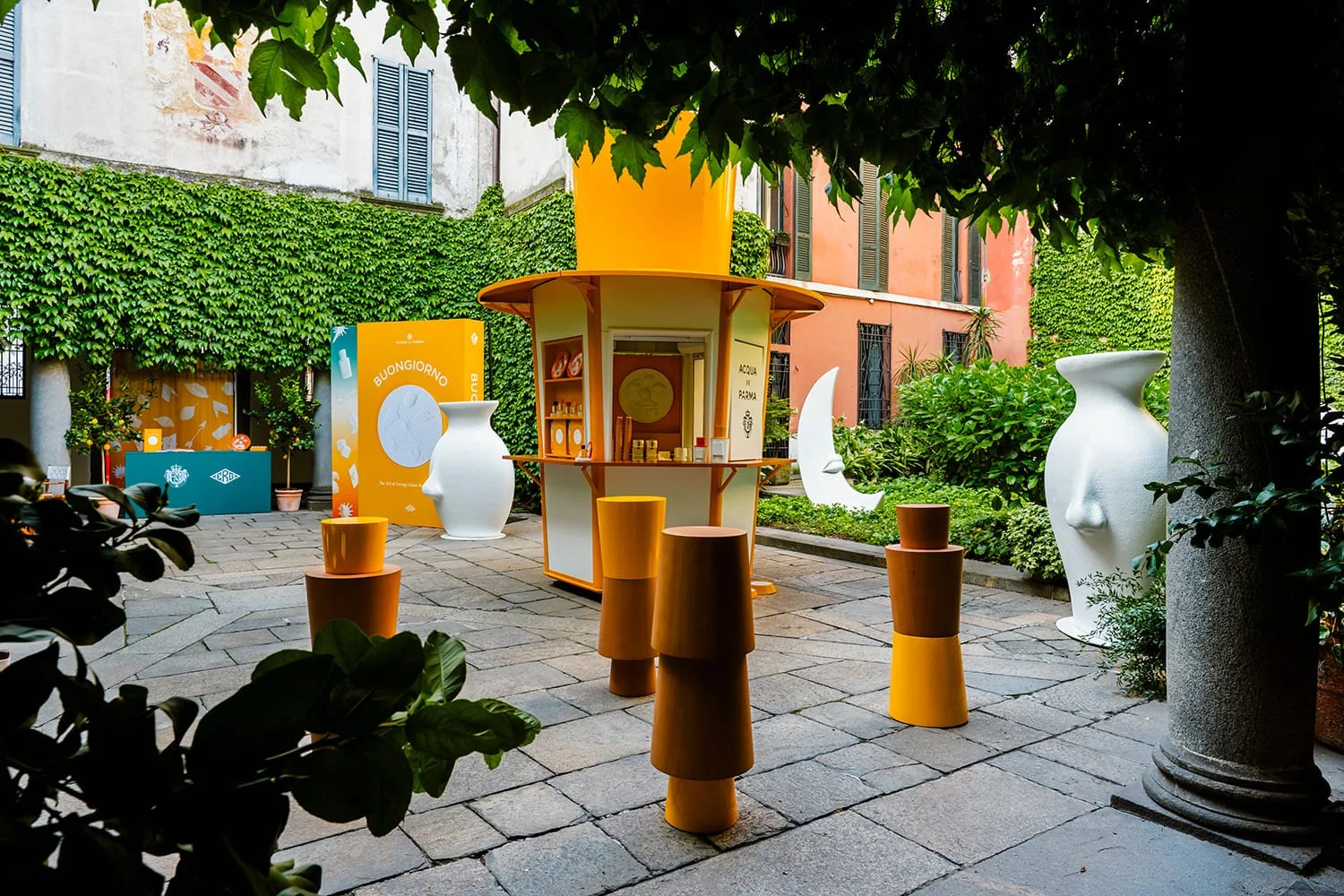
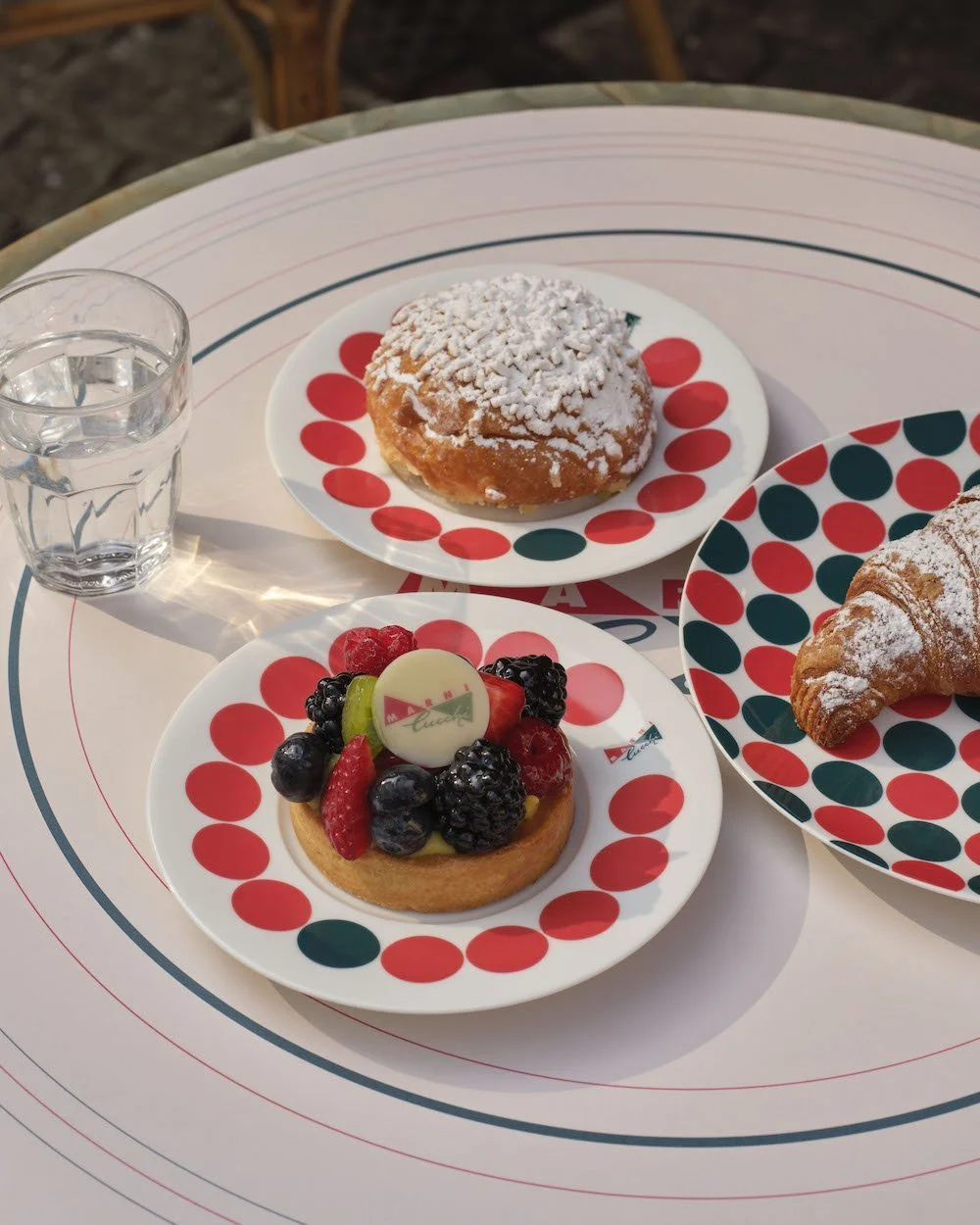
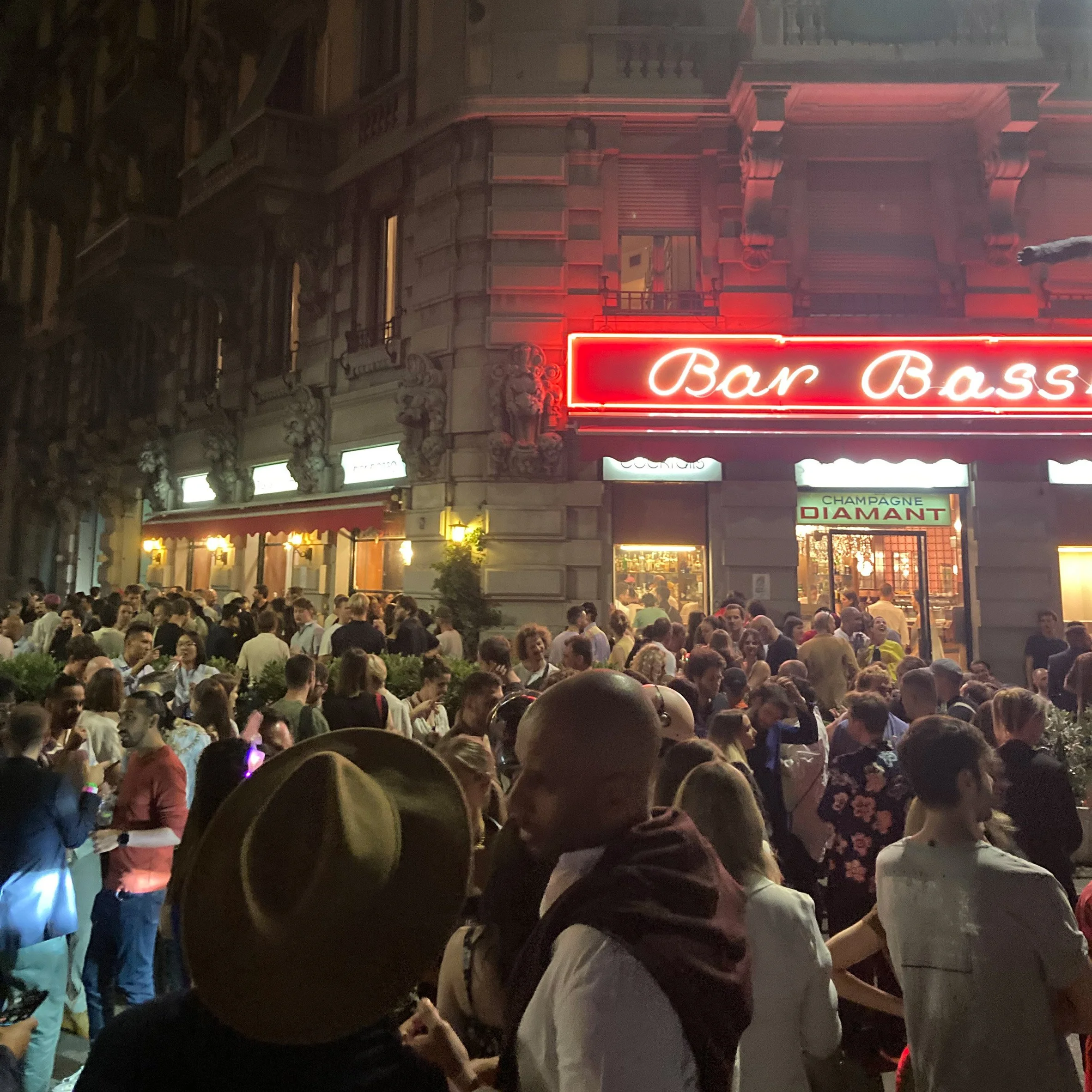
The moments that cut through
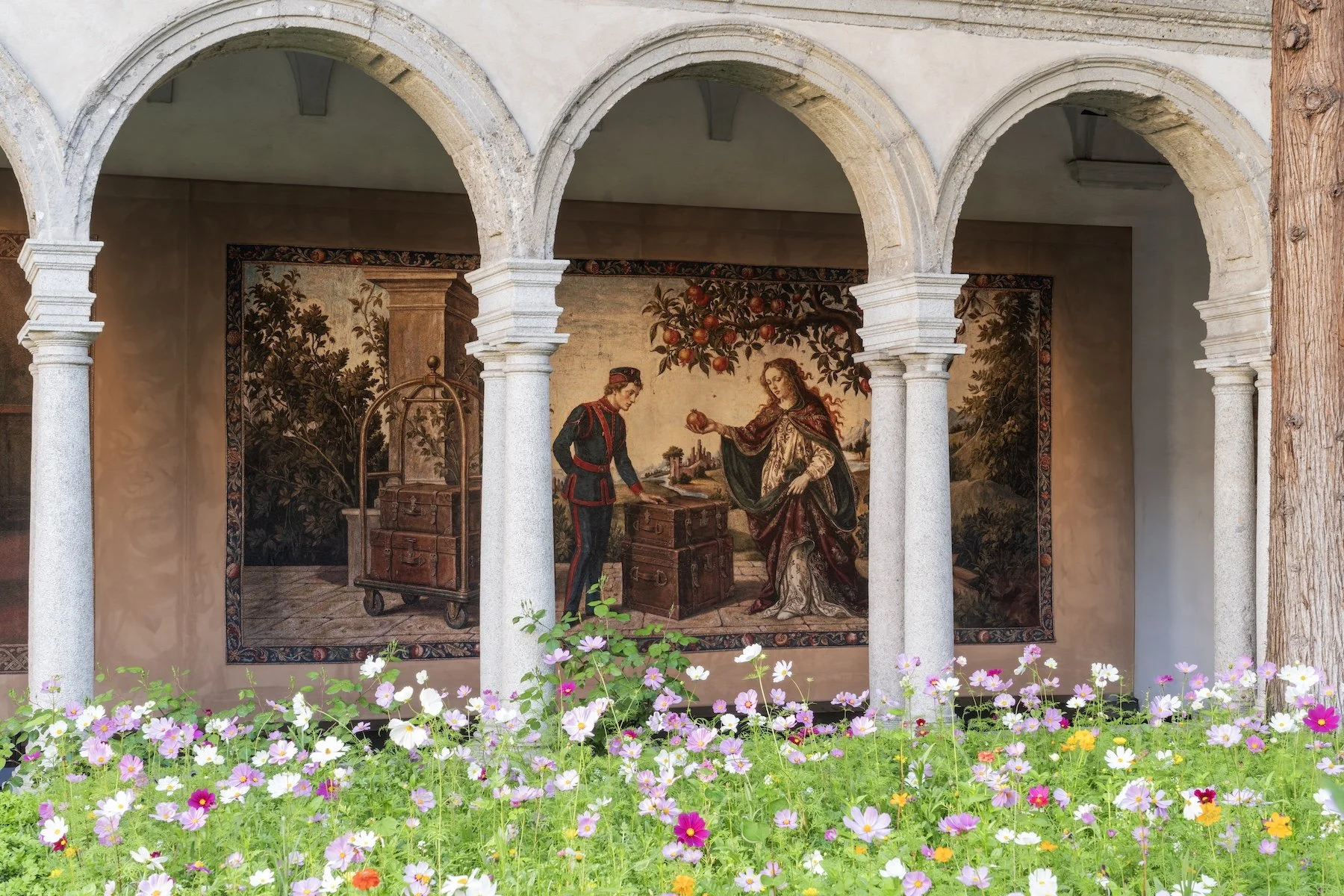
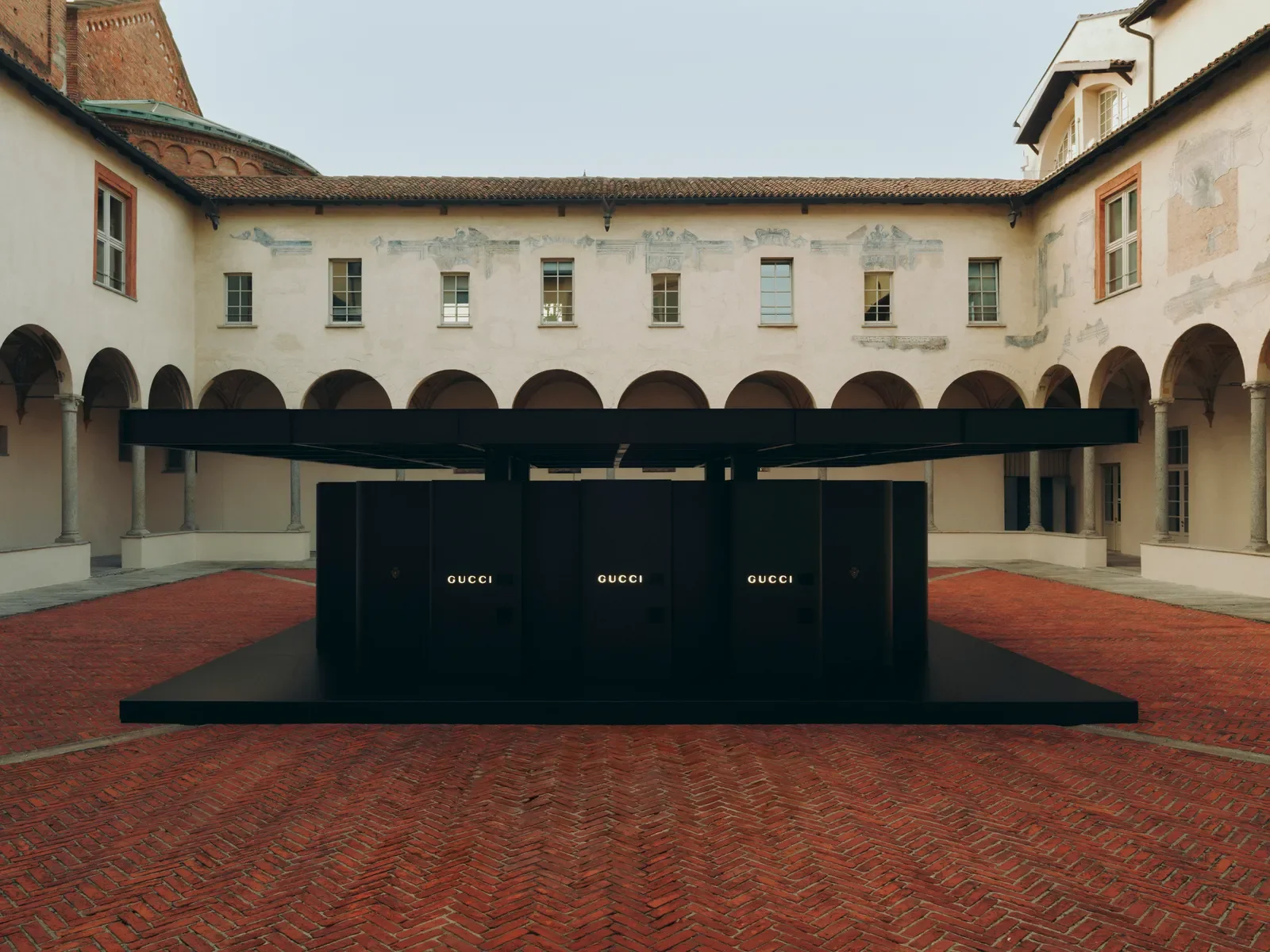
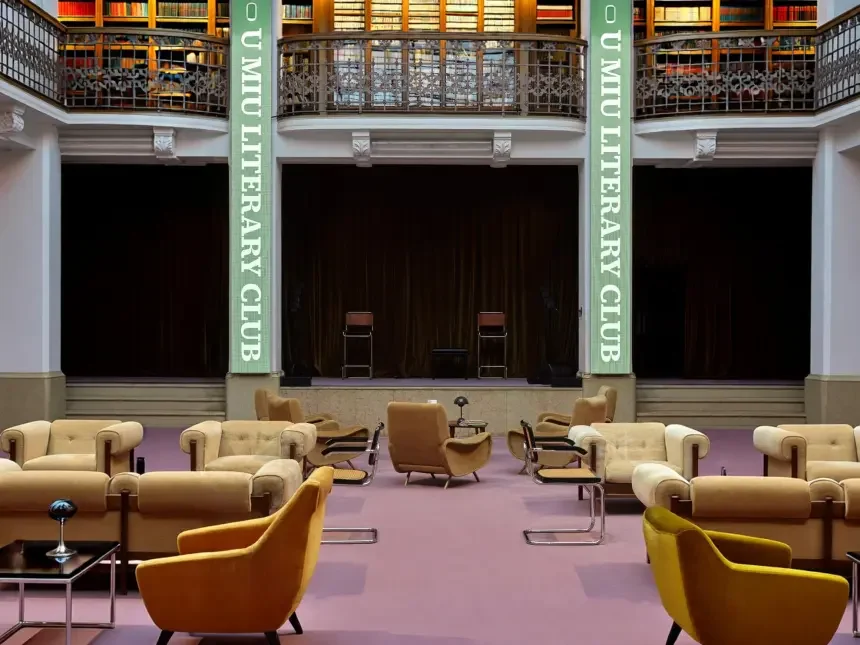
The brands that really worked weren’t doing one thing well, they were layering it. Gucci was a clear winner — tapestry, craft, narrative, all landing with weight. Moncler’s puffy octopus was pure visual theatre — built for sharing but still unmistakably on-brand. Miu Miu’s library went the other way — quieter, more intellectual, but just as magnetic.
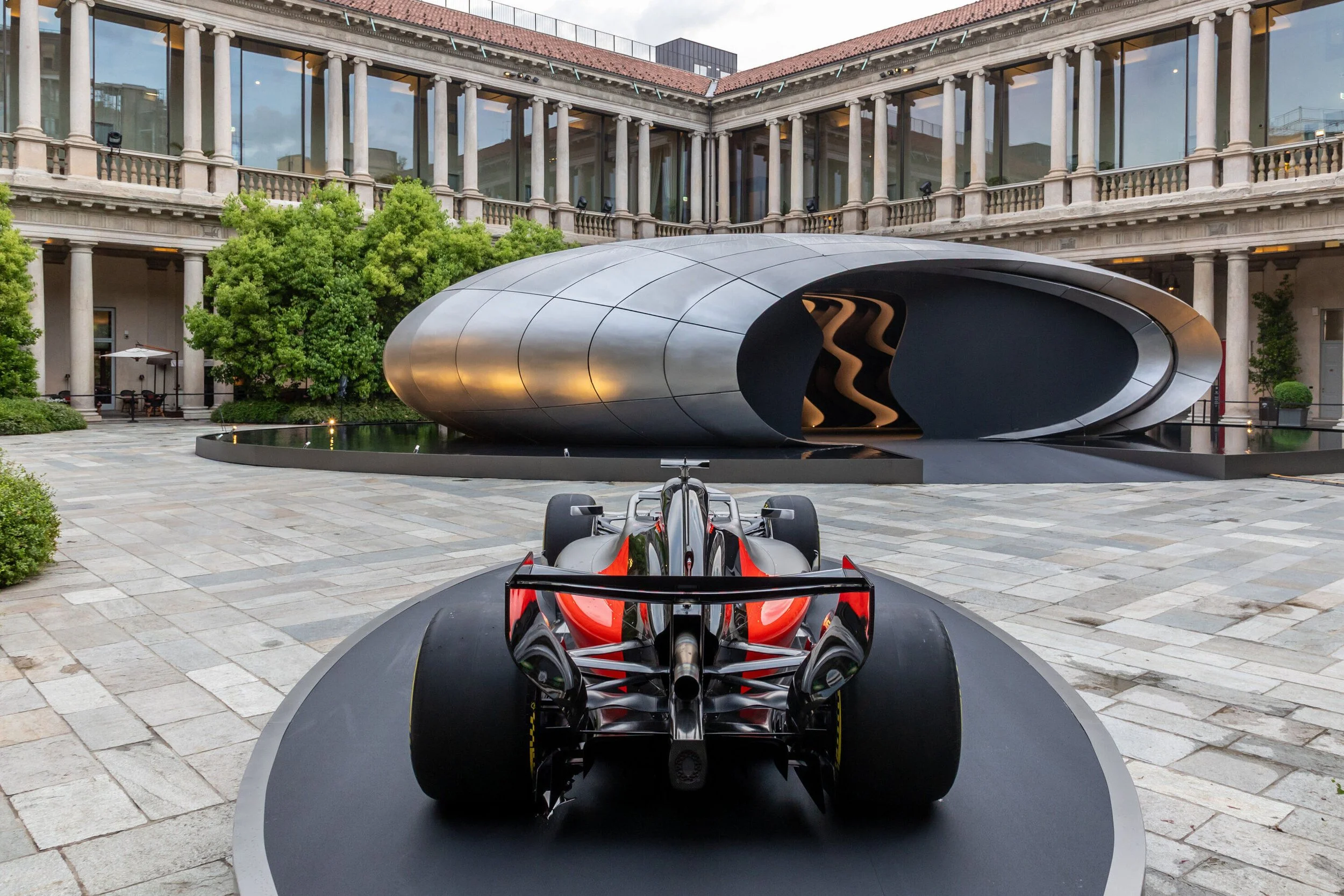
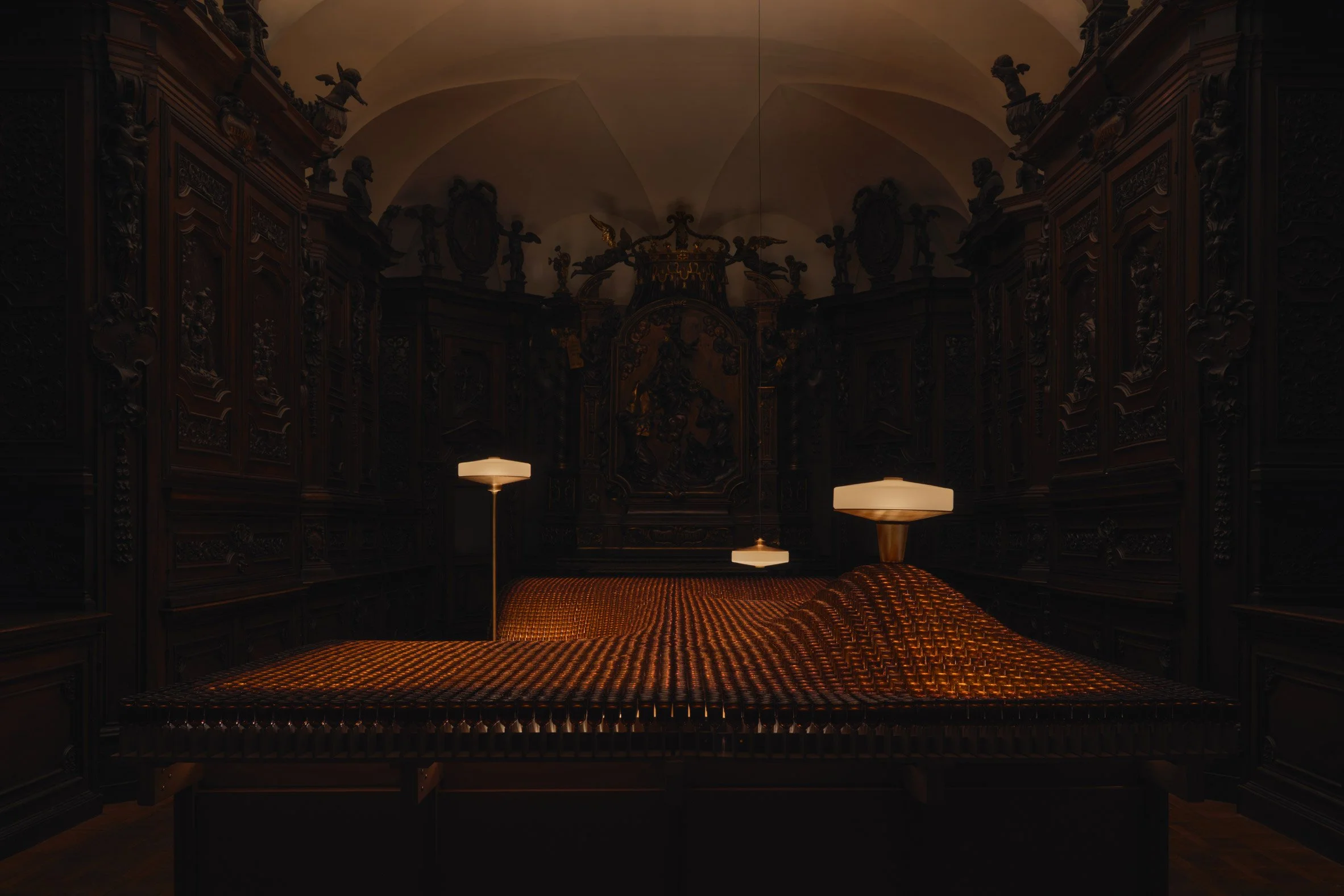
It wasn’t just fashion. Audi with Zaha Hadid (via Formula 1) delivered something properly resolved — sculptural, confident, and worth the space it took up. Aesop’s move into lighting was understated but smart. Byredo created something genuinely beautiful. Even Fiat’s club concept worked because it understood the audience.
The AI moment (or problem)
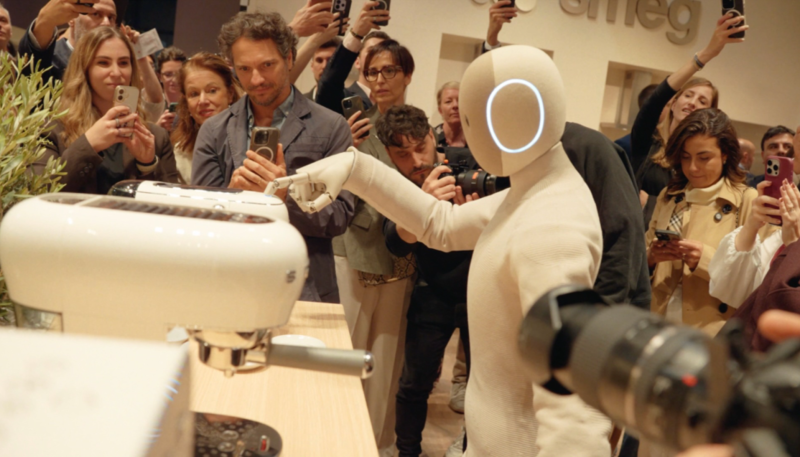
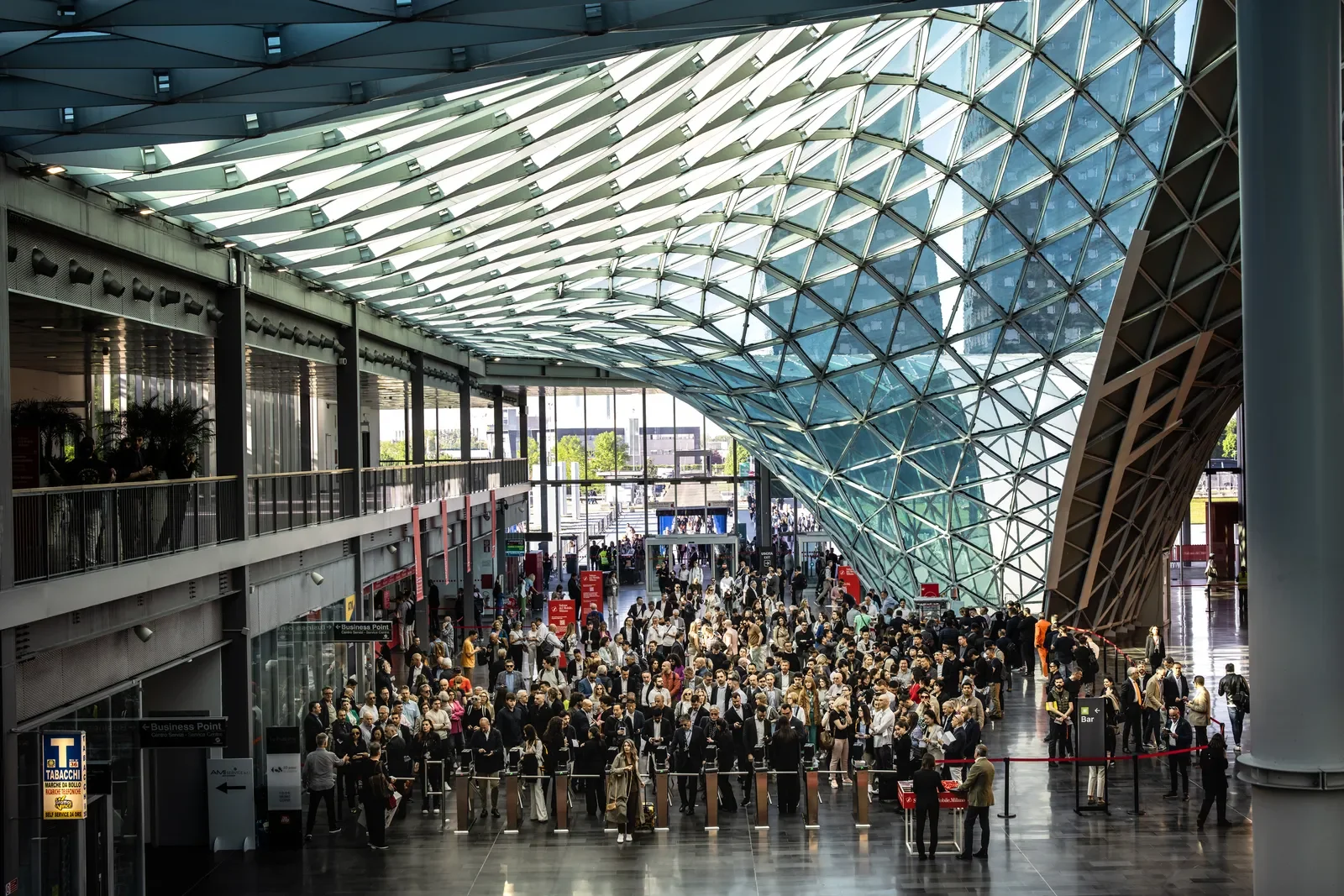
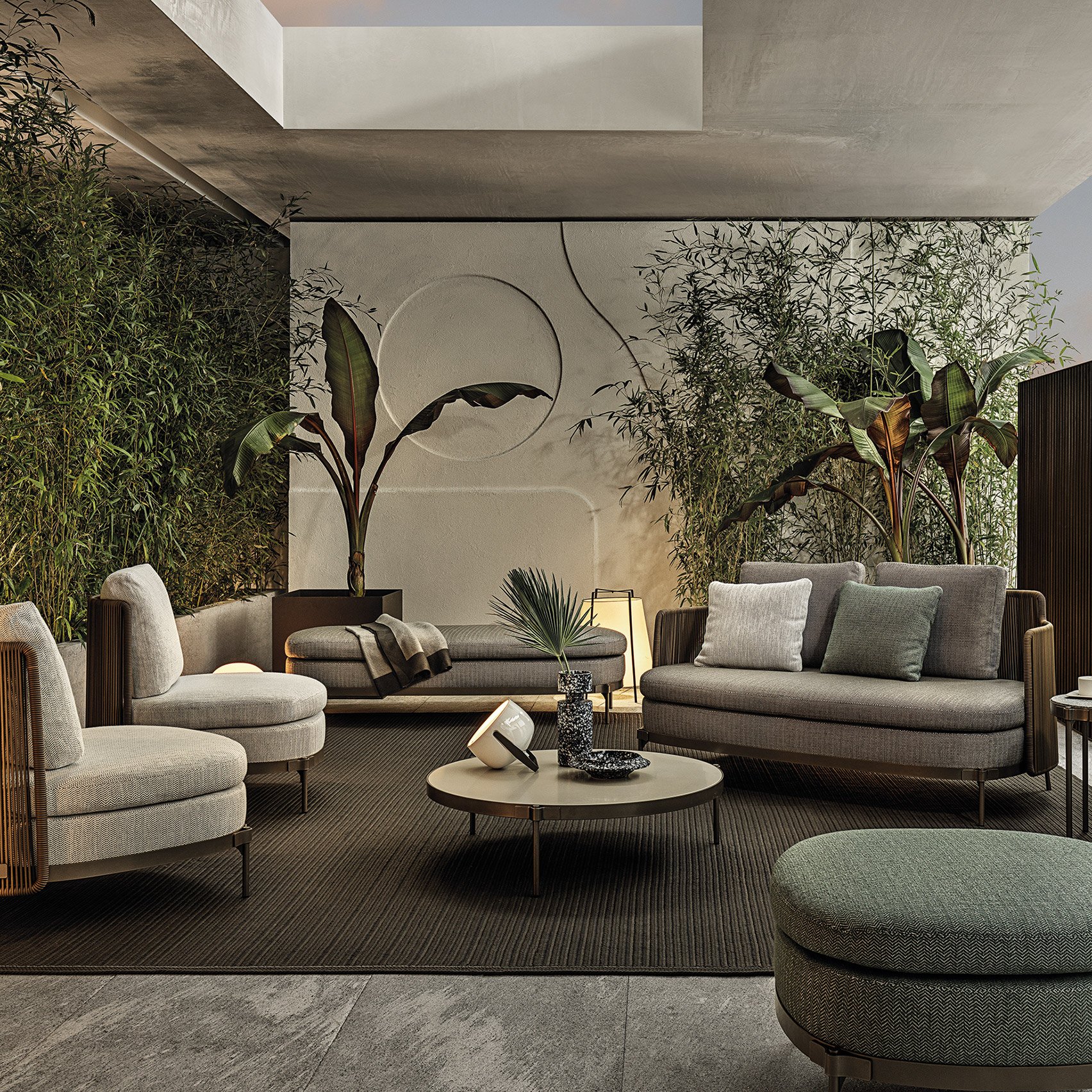
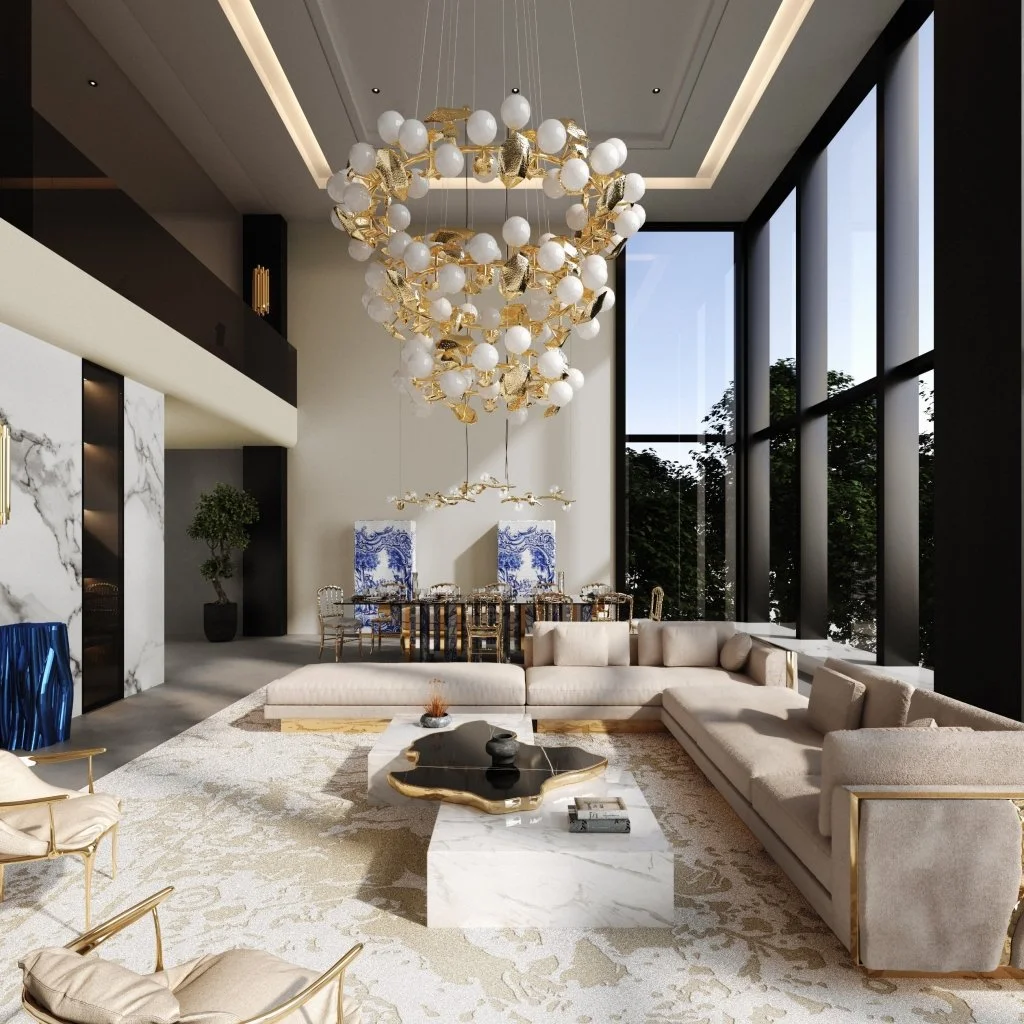
At the Salone del Mobile, it was still restraint — beige, sage, greige — a kind of visual exhale from the noise outside. But step into the cucina and the tone shifted completely, and not in a good way.
Here, AI wasn’t integrated, it was imposed. Kitchens that “think” for you, generate your recipes, tell you what to cook based on what’s left in your fridge. Robot arms emerging from hobs, performing competence rather than meaningfully improving the experience. It felt like a race to demonstrate capability, not a reflection of how people actually want to live.
And more importantly, it stripped something away. Cooking is instinctive, emotional, human. Turning it into prompts and predictions risks removing the very thing that makes it meaningful. Which is why, outside of these spaces, most designers simply ignored AI altogether.
The bigger question
Which leads to the obvious one: was this actually about design?
In parts, yes. But in others, it felt like something else entirely. Kitchen showrooms hosting parties. Brands creating destinations rather than objects. The line between design, entertainment and marketing becoming increasingly blurred.
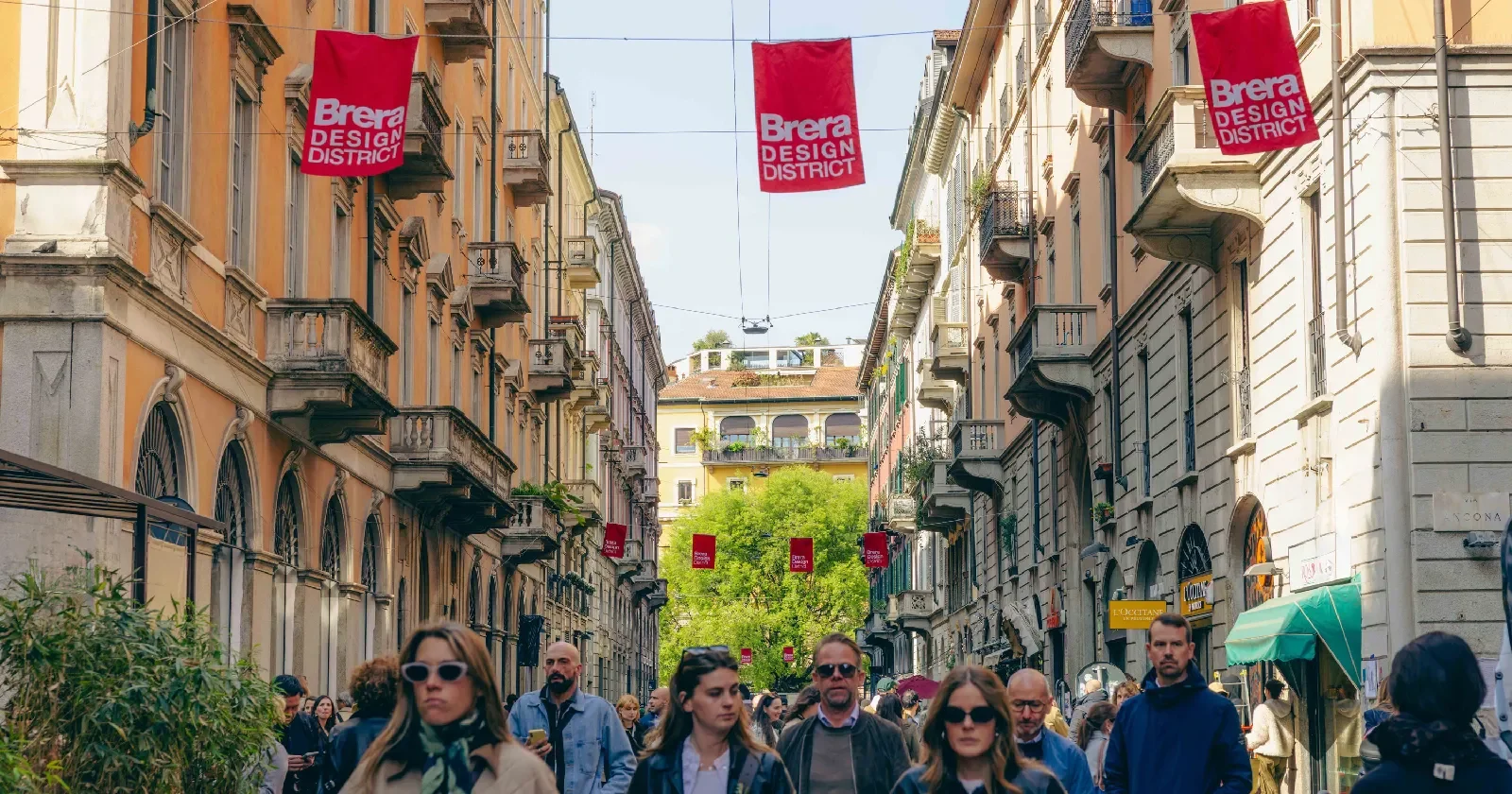
Milan Design Week brings in €255m to the region, and 0.5m visitors
For the city, it’s undeniably powerful. Over 500,000 visitors, €255m into the economy, more than 1,300 activations. Milan becomes the centre of gravity for a week. But there’s a tension in that scale. The bigger the brand presence, the more space it takes — physically, culturally, commercially. For every large-scale “experience,” there’s less room, less visibility, less oxygen for smaller designers trying to be seen.
What brands can learn
The ones that cut through combined the best of everything. They built awareness early, pulled people in through social and sign-ups, gave them something participatory once inside, and created a visual moment that travels. But crucially, they anchored it all in a genuinely well-resolved piece of design — not just an idea, but something that holds up in real life.
They didn’t try to be everything to everyone. They were clear.
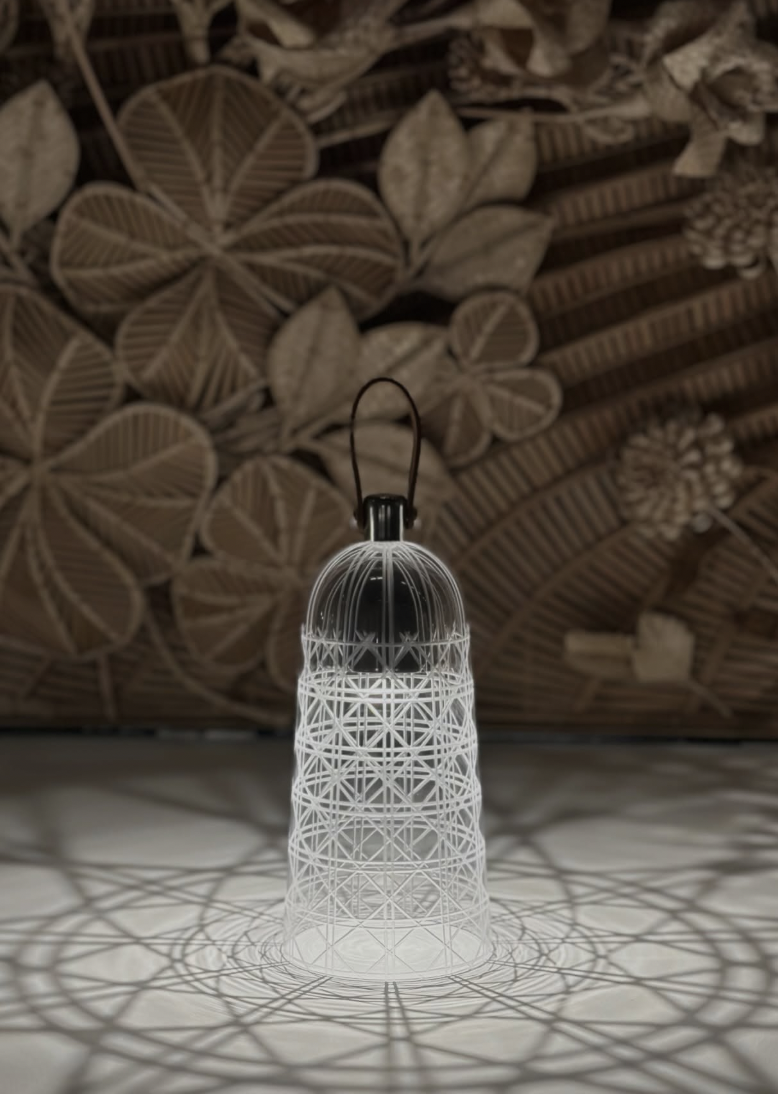
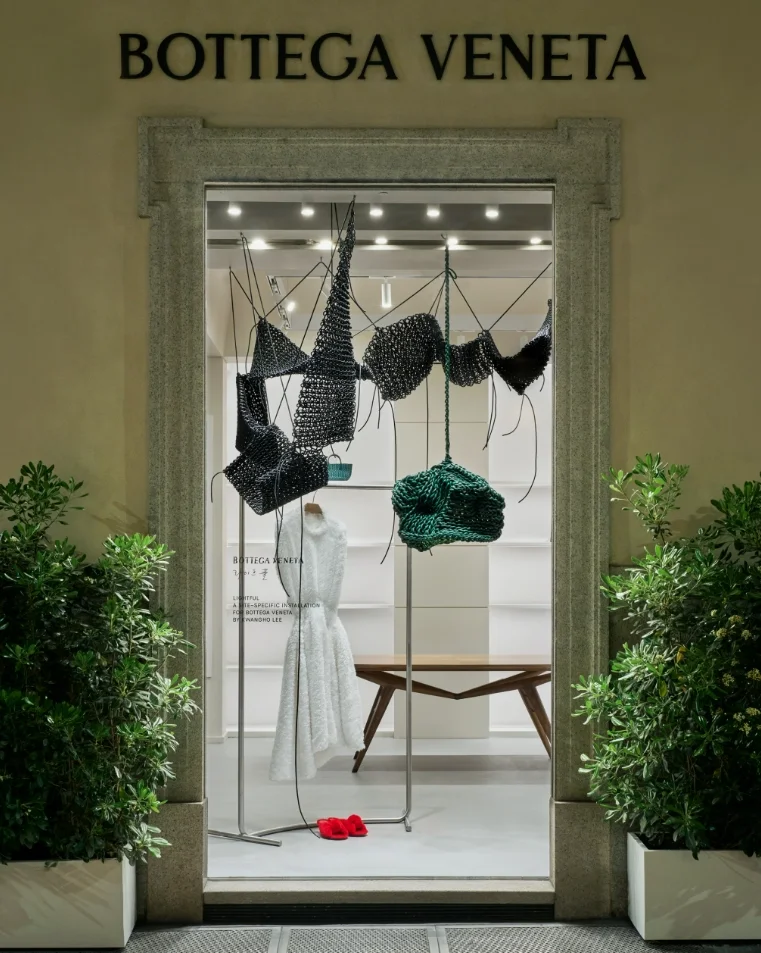
That’s the point that keeps coming back. Clarity wins. Not simplicity for the sake of it, but clarity of idea. The best brands had a single thought, held it, and expressed it across everything — spatially, visually, culturally. You could enter at any point — the queue, the Instagram post, the object itself — and still understand what they were saying.
In a week this chaotic, the brands that are understood are the ones that are clear.
salonemilano.it
fuorisalone.it
prada.com
moncler.com
acquadiparma.com
fiat.com
rh.com
marni.com
gucci.com
miumiu.com
audi.com
aesop.com
byredo.com
dior.com
bottegaveneta.com