

The Scent of Arrival: Incense
Memory and the luxury of ritual
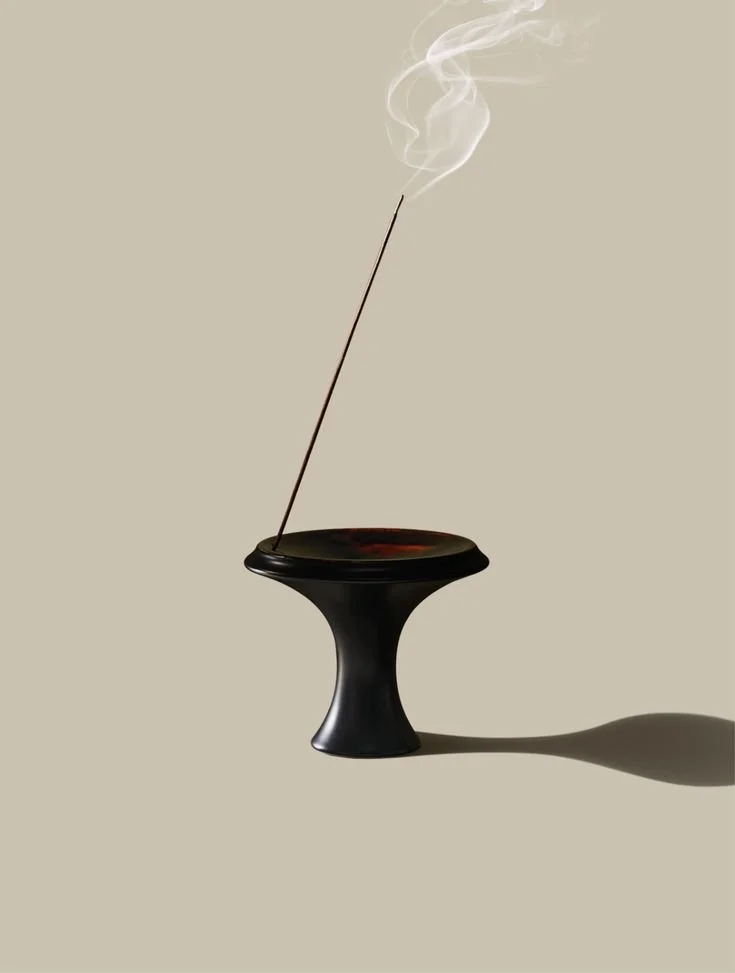
There are some scents that do more than fragrance a space. They locate you.
In Oman, frankincense is one of them. It is not simply a note, a resin, or an ingredient to be lifted into perfume. It is part of the country’s atmosphere — present in homes, hotels, souks, ceremonies and public spaces. Arrive at Muscat airport and the scent is there almost immediately: resinous, mineral, warm, slightly sacred. Somewhere new, but somehow familiar. Regal, but real.
Before architecture, scent

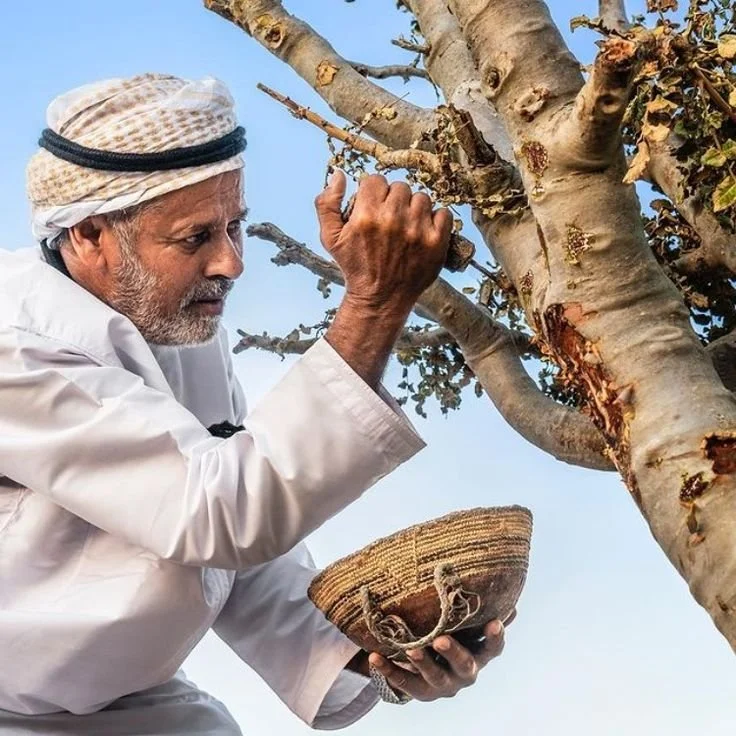
Luban diffuser and resin tapping in Oman.
We were reminded of this recently at a talk at Liberty in London with fragrance brand Réservation, whose collection is built around the relationship between scent, memory and location. Rather than treating fragrance as something abstract or purely decorative, Réservation explores how places can be held, recalled and re-entered through scent.
During the conversation, one of the panel members, Tatjana von Stein, spoke about arriving in Muscat and being struck by the scent of frankincense throughout the airport. It was a small observation, but a powerful one. Before the architecture, before the signage, before the formalities of arrival, scent had already done the work of orientation.
That is what the best sensory branding can do. It does not announce itself as branding. It simply makes a place feel unmistakably itself.
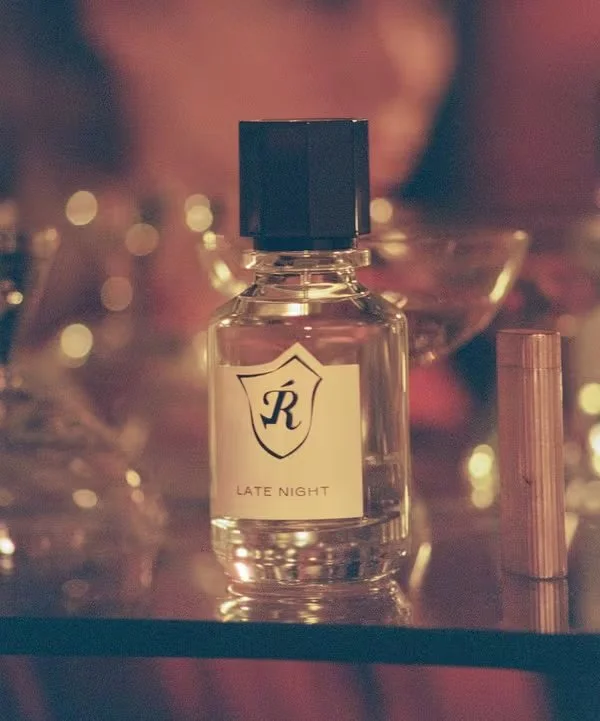
Réservation treats scent as a form of travel memory — capturing the atmosphere of hotels, arrivals and faraway places long after the journey ends.
Frankincense as cultural thread
We have spent a lot of time in Oman over the past year on a hotel project, working to understand local customs, cultural codes and the deeper stories that shape luxury in the region.
Frankincense kept returning, not as decoration, but as a thread: something embedded in hospitality, ritual, trade, medicine, prayer and domestic life. It appears in moments of welcome, in the cleansing of spaces, in domestic rituals and in the way atmosphere is prepared before guests arrive.
It is not just something that scents the room. It changes the room.
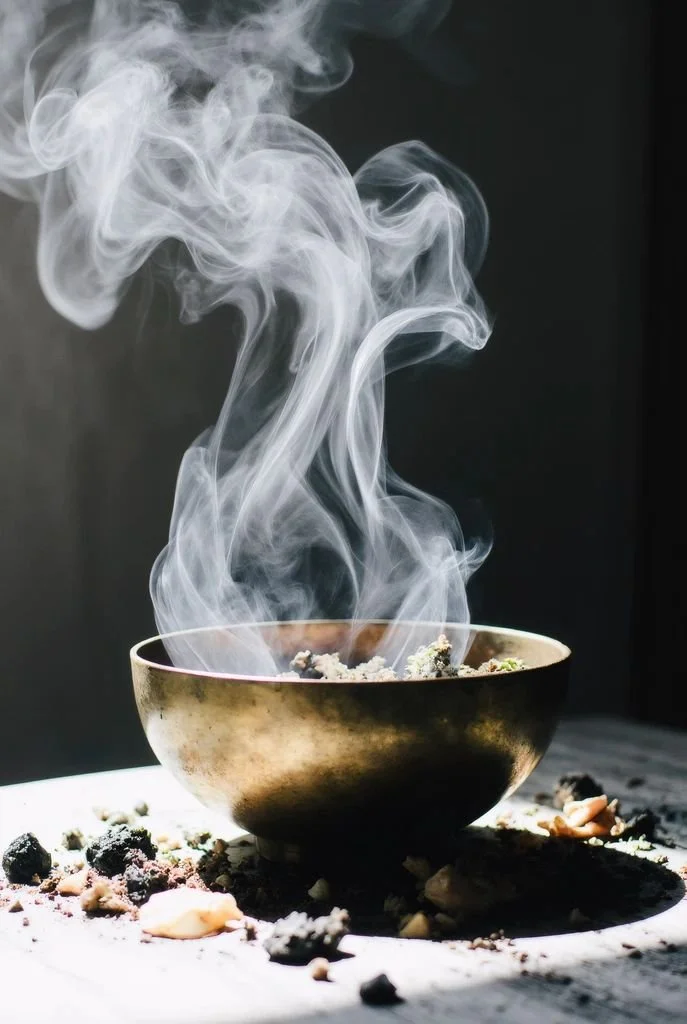
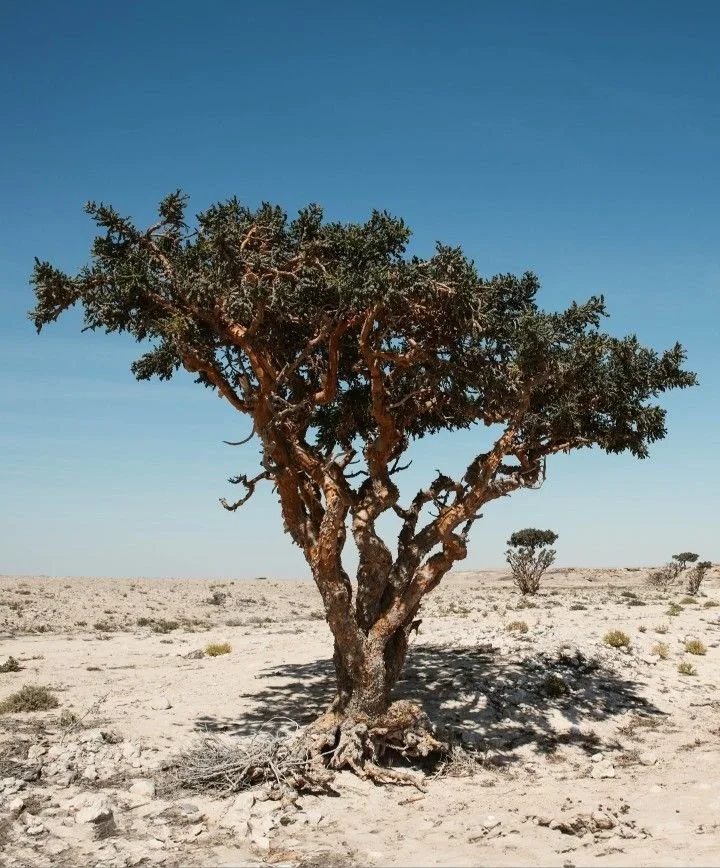
Frankincense resin — ancient, herbal and resinous, turning tree sap into smoke, ritual and atmosphere.
From tree to resin
In Dhofar, where Oman’s most famous frankincense trees grow, the resin comes from Boswellia sacra — a tree shaped by heat, rock, monsoon and time.
There is something important in the slowness of it. Frankincense is not instant. The tree has to mature before it can be tapped. The bark is cut, the resin bleeds out, hardens in the air, and is collected in tears. It is a material formed through age, patience and controlled wounding — which may be why it carries such emotional weight. It feels earned.
At Al Bustan Palace in Muscat, we were shown this process first-hand. From one of the hotel’s frankincense trees, the bark was tapped and the resin drawn out fresh from the trunk. We were encouraged to taste it there and then — still soft, still alive with the tree. Herbal, minty, resinous, almost like a natural gum. Nature at its most pure.
That experience changed the way we understood frankincense. Not as an abstract symbol of Oman, or a luxury note in a perfume pyramid, but as a living material: grown, cut, tasted, burned, shared. Something that moves between landscape, ritual and hospitality.
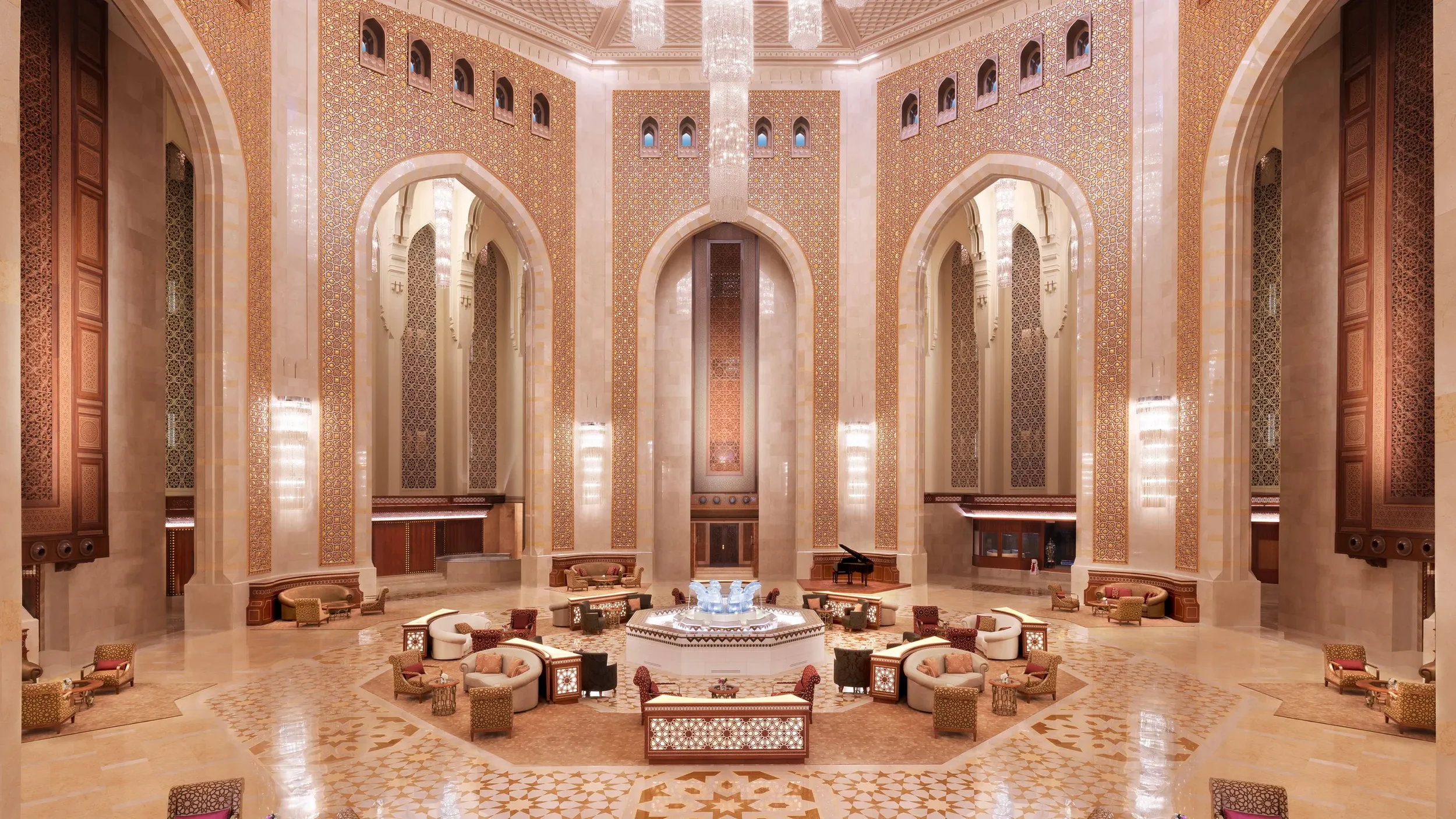
Al Bustan Palace, Muscat — where an ancient frankincense tree grows in the hotel grounds
The return of incense
Perhaps that is why incense is returning so visibly in contemporary luxury.
Brands such as Aesop and Loewe have both added incense to their home fragrance worlds, reframing it not as something old-fashioned or purely spiritual, but as a designed ritual for the modern interior.
But the appeal is not just olfactory. It is behavioural.
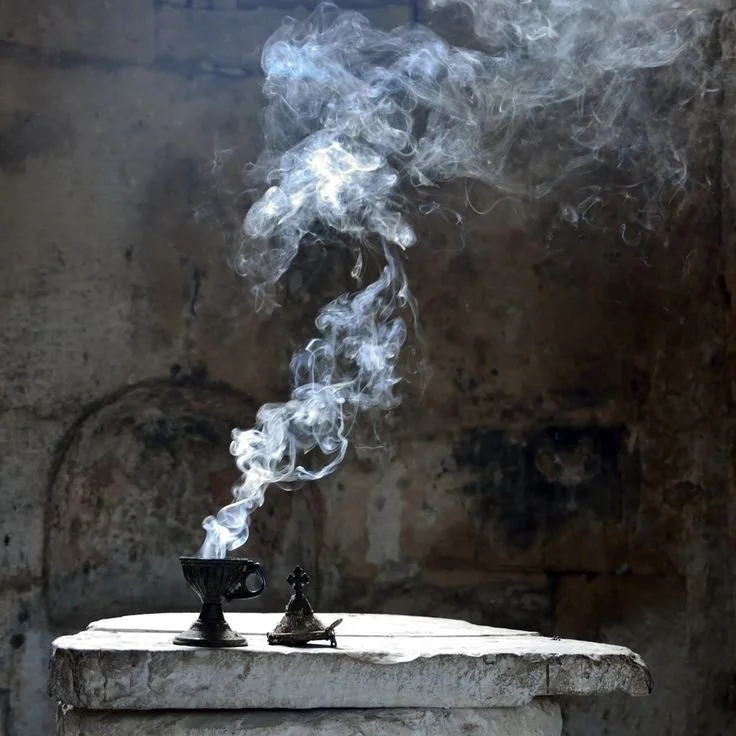
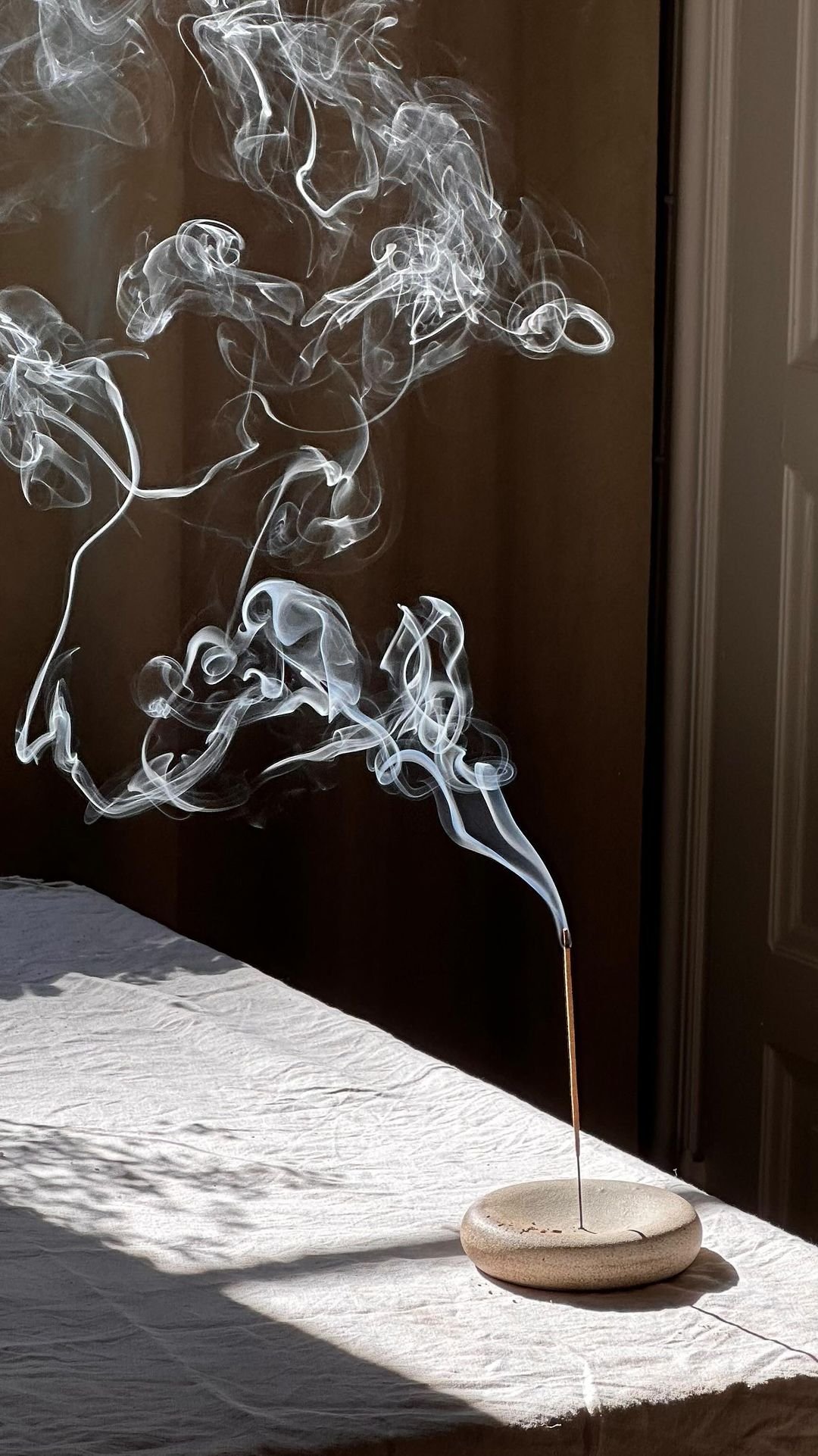
To burn resin at home, or light a glowing stick and watch smoke curl through a room, is to perform a small act of transformation. The air changes. The mood changes. Time slows slightly. It feels almost alchemical — a by-gone ritual made newly relevant because it asks for attention.
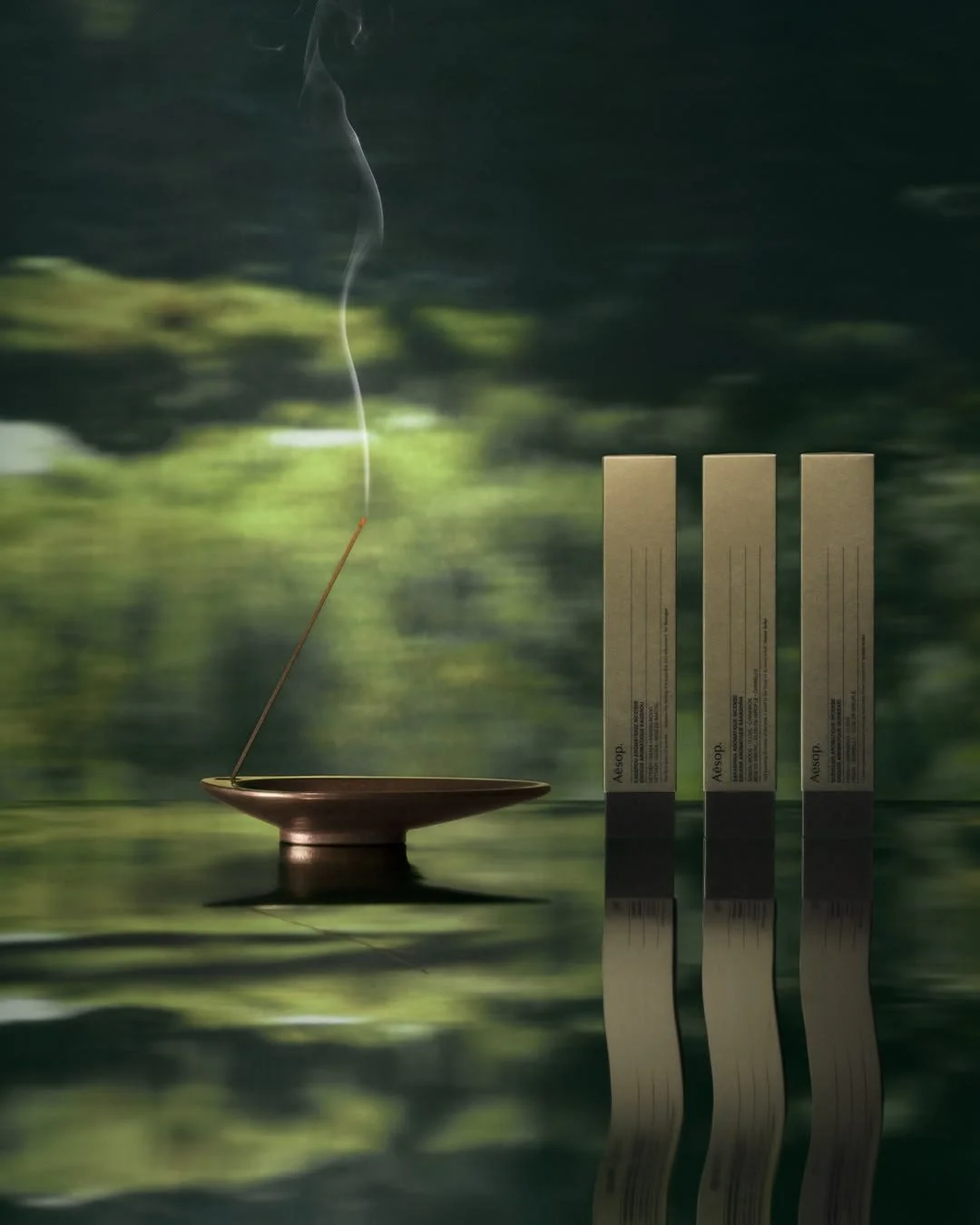
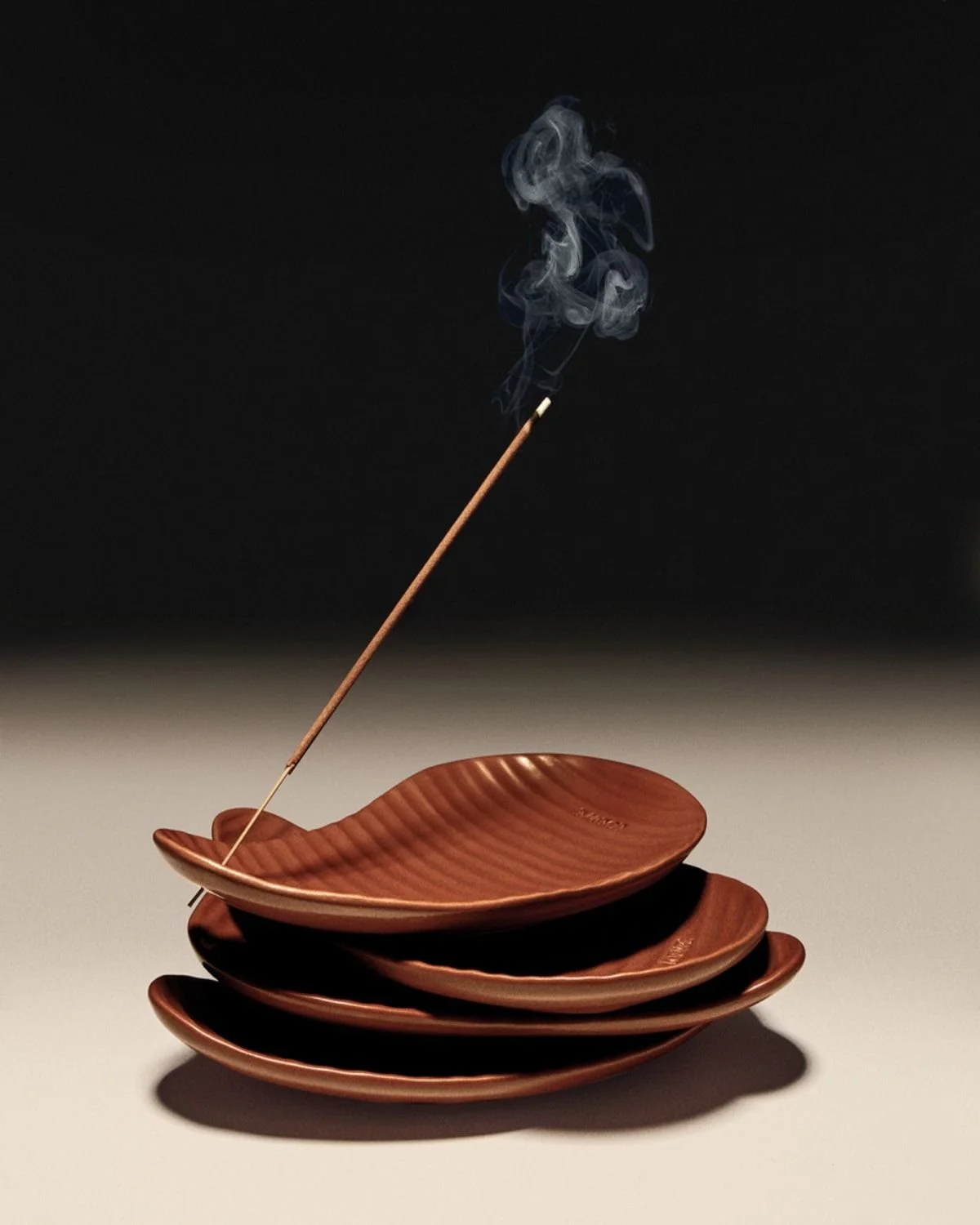
Incense offerings from Aesop and Loewe: ritual objects for modern alchemy, where scent, smoke and design turn the everyday into ceremony.
A slower kind of luxury
In a culture of instant atmosphere — plug-ins, sprays, candles, diffusers, algorithmic ambience — incense still has ceremony.
It must be lit. It must be watched. It disappears as it works. Its luxury is not only in the scent, but in the moment it creates.
That is what makes it interesting for hospitality and brand-building. Incense is not simply a product trend. It is a reminder that the most powerful experiences are often those that connect material, memory and ritual.
The guest may forget the exact wording of a welcome note. They may forget the playlist, the lighting level, even some of the design details. But they remember how a place felt when they arrived.
Atmosphere as identity
In Oman, frankincense does this with extraordinary clarity. It carries history without feeling like heritage theatre. It speaks of trade routes, landscape, ceremony and domestic life, but it also works in the present tense. It is not nostalgia. It is continuity.
And for modern luxury, that distinction matters.
Because the future of luxury is not only about novelty, spectacle or surface-level storytelling. It is about creating experiences that feel grounded — in place, in material, in behaviour, in things people can sense before they can explain.
Frankincense reminds us that atmosphere is not an afterthought.
Sometimes, it is the first thing that tells you where you are.
https://muscatairport.co.om/
https://diffusermuscat.com/
https://reservation-parfums.com/
https://www.libertylondon.com/
https://www.albustanpalace.com/
https://www.perfumesloewe.com/
https://www.aesop.com/